





What Exactly Is Zinc PCA?
If you're an avid label-reader, you may have noticed Zinc PCA popping up in serums, cleansers, and moisturizers. But what is it? Put simply, it’s a powerhouse compound created by combining two elements: Zinc and L-PCA (Pyrrolidone Carboxylic Acid). Think
of them as a dynamic duo. Zinc is a well-studied mineral known for its anti-inflammatory and antimicrobial properties. It’s fantastic for calming redness and keeping acne-causing bacteria in check. L-PCA, on the other hand, is a natural humectant that’s part of your skin’s own moisturizing factor. It helps the zinc penetrate the skin more effectively and provides a touch of hydration without being heavy. By binding them together, cosmetic scientists created an ingredient that can regulate oil and fight breakouts while still respecting the skin's moisture barrier.
The Science of a Humidity Hero
High humidity is a recipe for skin distress. The moisture in the air tells your skin it doesn't need to produce as much of its own, which can ironically mess with its natural balance. More importantly, the combination of heat and humidity often triggers an overproduction of sebum (oil) and sweat. This sticky mixture creates an ideal breeding ground for bacteria and can easily clog pores, leading to the dreaded “summer breakout zone” along the T-zone, chin, and hairline. This is where Zinc PCA shines. Its primary superpower is being “sebostatic,” which means it helps regulate and normalize oil production. It doesn't strip your skin or dry it out completely. Instead, it signals your sebaceous glands to calm down and produce less excess oil. By keeping oil levels in check, you reduce the likelihood of clogged pores and deny breakout-causing bacteria the greasy environment they love. It tackles the root cause of humidity-induced acne, making it a preventative measure as much as a treatment.
More Than Just Acne Control
While its oil-controlling abilities make it a star for acne-prone individuals, Zinc PCA’s benefits are broader. The zinc component is excellent at soothing irritation and reducing the visible redness that often accompanies pimples, making it a gentler alternative to harsher acne-fighting ingredients. This makes it suitable even for those with sensitive skin who are prone to oiliness. Furthermore, by including PCA, the ingredient supports your skin barrier function. A healthy skin barrier is crucial for retaining moisture and keeping irritants out. In humid weather, our instinct might be to use harsh, stripping products to feel “clean,” but this can damage the barrier and lead to a cycle of irritation and oil overproduction. A moisturizer with Zinc PCA does the opposite: it mattifies and clarifies while simultaneously supporting your skin’s natural defenses. It’s a balanced approach that leads to healthier, more resilient skin in the long run.
How to Add It to Your Routine
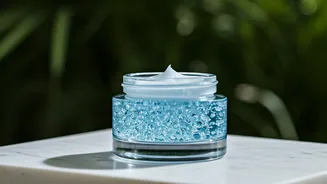
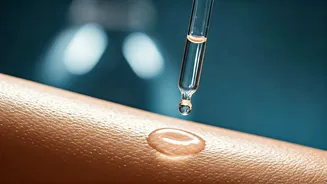
Incorporating Zinc PCA into your skincare regimen is straightforward. It’s most commonly found in lightweight lotions, gel creams, and serums formulated for oily and combination skin. These products are perfect for daytime use, as they can help keep shine at bay under makeup or sunscreen. When shopping, look for “Zinc PCA” on the ingredients list. It doesn’t need to be at the very top to be effective; it works well even at concentrations around 1%. You can find it in products at all price points, from drugstore staples to high-end formulations. For best results in a humid climate, apply a Zinc PCA moisturizer or serum to clean, damp skin in the morning before your sunscreen. This simple step can help fortify your skin against the day's heat and humidity, leaving it feeling more balanced and less prone to breakouts.