


The Comeback We All Needed
In a world saturated with ultra-processed products and complex diet plans, there’s a growing hunger for something more authentic. We’re turning away from lab-created solutions and looking back to the foundational foods that sustained our ancestors. This
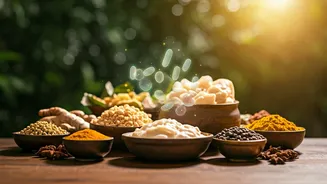
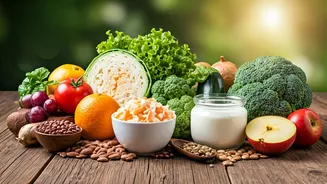
isn't just about nostalgia; it's a full-blown culinary renaissance. Foods that were once dismissed as rustic or old-fashioned are now being celebrated for their nutritional density, sustainability, and profound connection to gut health. Your grandma didn't call it a 'glow-up,' but she knew that what she put on the table was more than just a meal—it was nourishment. Now, science is catching up to her wisdom, validating the very ingredients that have been sitting in the background, waiting for their time to shine.
Meet the Mighty Millets
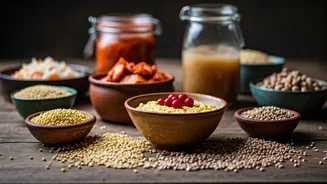
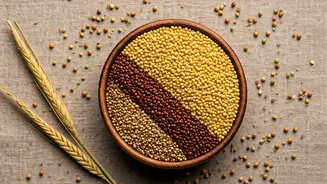
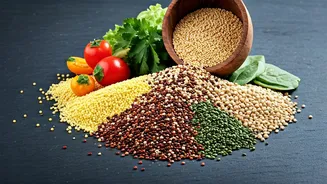
Before quinoa became a household name, millets were the original super grain. This diverse group of small-seeded grasses, including sorghum, fonio, teff, and pearl millet, has been a staple in diets across Africa and Asia for thousands of years. So why are they suddenly everywhere? For starters, all millets are naturally gluten-free, making them a fantastic alternative for those with sensitivities. They are also packed with fiber, protein, and essential minerals like magnesium and iron. But their appeal goes beyond personal health. Millets are incredibly resilient crops. They are drought-resistant and can grow in poor soil with minimal resources, making them a climate-smart choice for a sustainable food system. Whether you're simmering them into a hearty porridge, popping them like popcorn, or using their flour in your baking, millets offer a subtly nutty flavor and a powerful nutritional punch.
The Magic of Living Foods
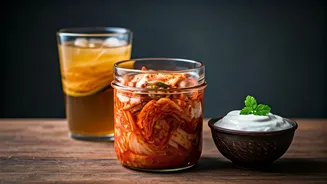
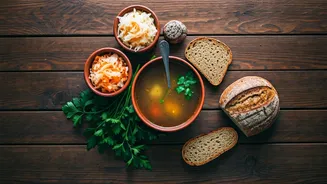
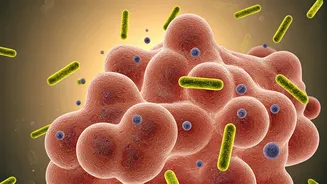
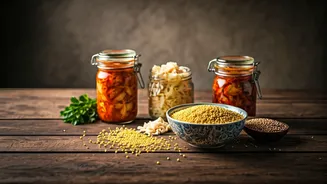
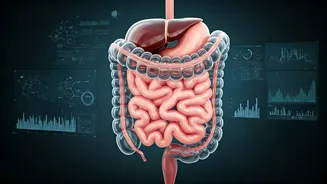
The other star of this revival is fermentation. Long before refrigeration, fermentation was a vital method of food preservation. By harnessing the power of beneficial microorganisms—bacteria and yeast—our ancestors transformed simple ingredients like cabbage into sauerkraut, milk into kefir, and soybeans into miso. The happy byproduct of this process? An explosion of flavor and a wealth of probiotics. These live bacteria are crucial for maintaining a healthy gut microbiome, which researchers now link to everything from improved digestion and a stronger immune system to better mental health. The tangy zip of kombucha, the spicy kick of kimchi, and the earthy depth of sourdough bread aren't just delicious; they are signs of a food that is alive and working for you. Incorporating ferments is one of the easiest ways to support your body's internal ecosystem.
Bringing the Glow-Up Home
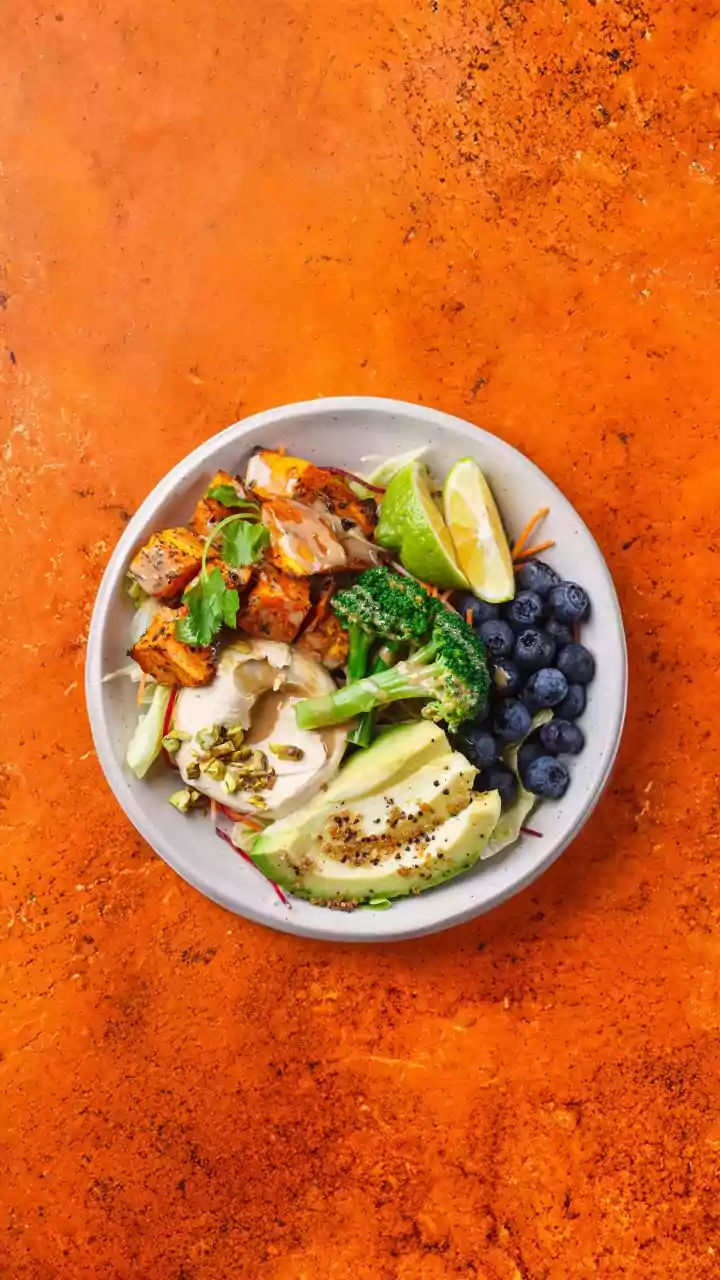
Ready to get in on this ancestral wisdom? The good news is, it’s easier than ever. Most grocery stores now carry a variety of these products. Start small. Pick up a bag of millet and try using it in place of rice or oats in your next meal. Look for teff flour to add a nutrient boost to pancakes or sorghum for a chewy, satisfying grain bowl. In the refrigerated section, explore beyond Greek yogurt. Try a splash of kefir in your smoothie for a probiotic kick or add a forkful of sauerkraut or kimchi as a side dish to your lunch or dinner—it’s a simple way to add flavor, crunch, and gut-friendly benefits. The key is not to get overwhelmed. You don’t need to ferment your own cabbage on day one (unless you want to!). Begin by adding one or two of these foods into your weekly rotation and notice how you feel.