

1. A Palette Pulled from the Land
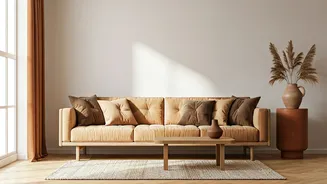
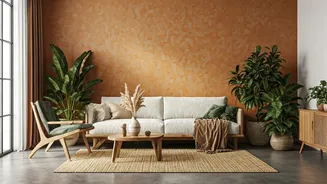
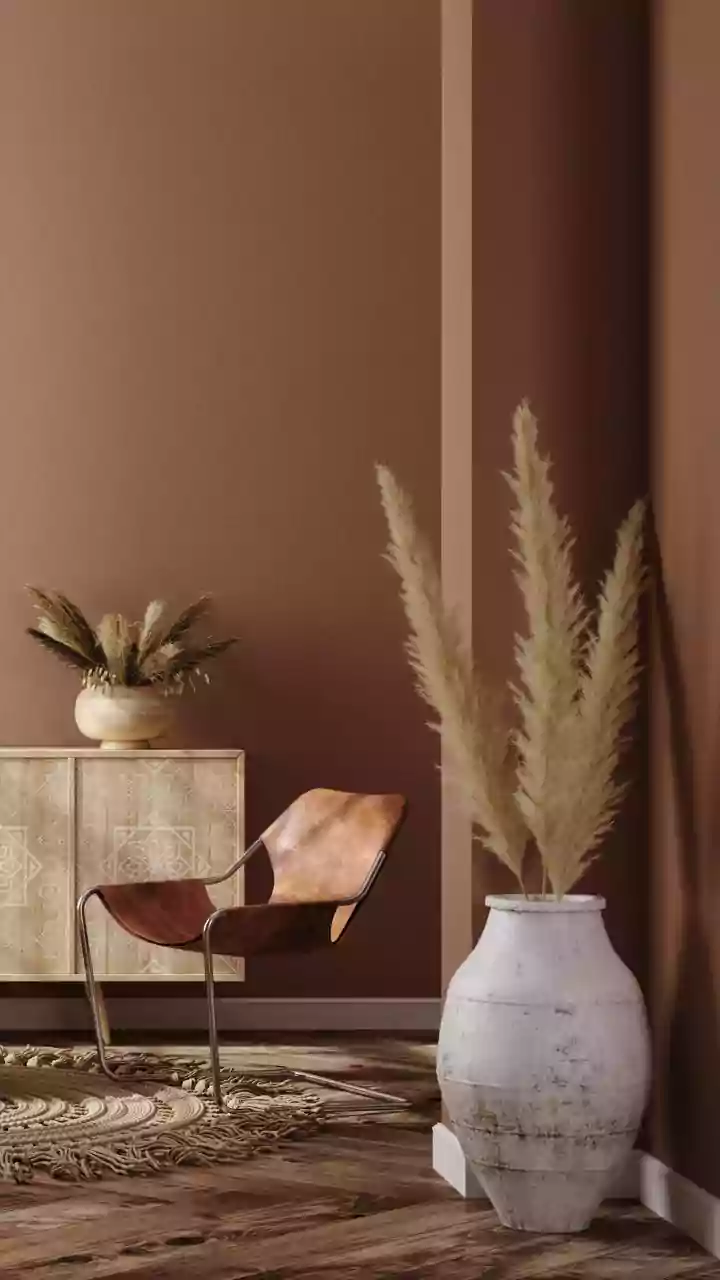
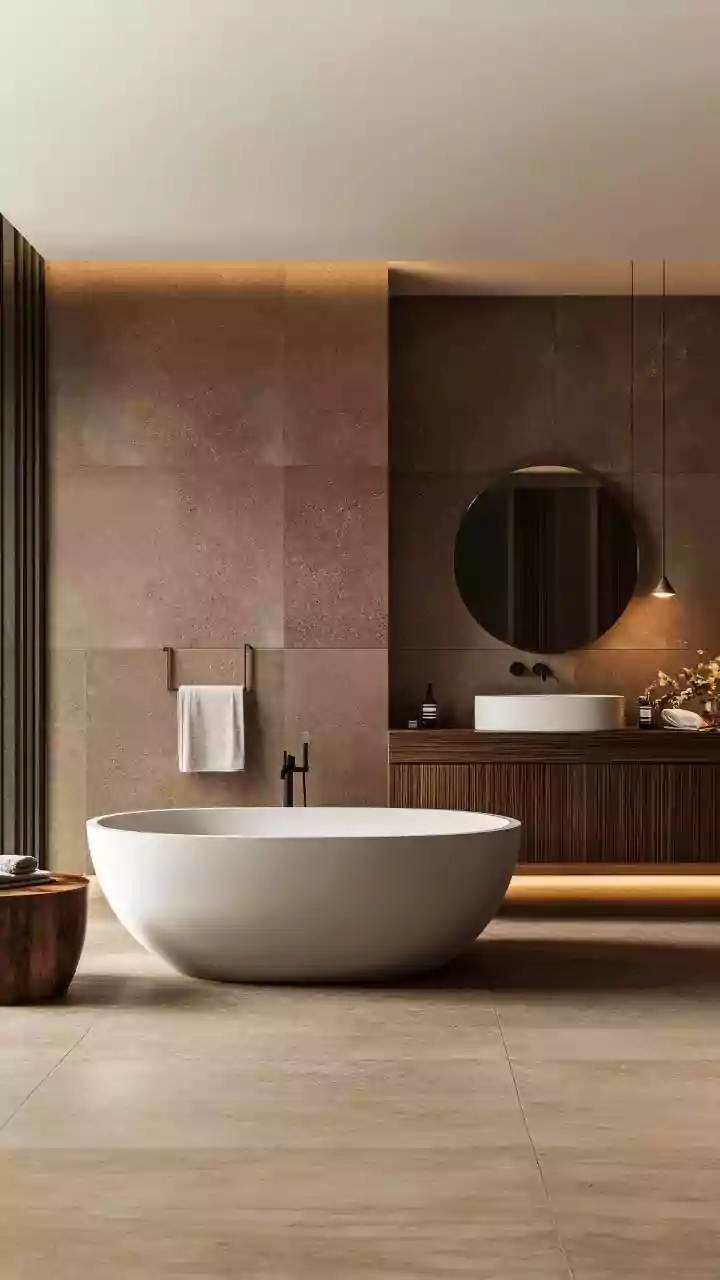
The foundation of this trend is its color scheme, which reads like a love letter to the Indian landscape. Forget stark whites and cool grays; this is about warmth and depth. Think of the rich, rusty red of terracotta, the golden yellow of turmeric and ochre,
the muted olive and sage greens of native flora, and the deep, reassuring browns of soil and wood. These colors are inherently soothing and connect a space to the natural world. Instead of creating a blank canvas, this palette cocoons the inhabitants, fostering a sense of security and tranquility that’s often missing in fast-paced urban life. It’s a direct visual contrast to the concrete and glass jungles outside.
2. The Return of Raw Materials
Texture is paramount. The style champions materials that are raw, honest, and visibly natural. Polished marble and glossy finishes are being swapped for limestone floors, exposed brick walls, and lime-washed (limewash) plaster that shows the subtle imperfections of the artisan's hand. In furniture, woods like teak, sheesham (Indian rosewood), and mango are celebrated for their natural grain and sturdiness, often left with a simple oil or wax finish rather than a heavy lacquer. This focus on unprocessed materials provides a tactile connection to the earth, reminding us of things that are solid, real, and enduring.
3. An Embrace of Natural Fibers
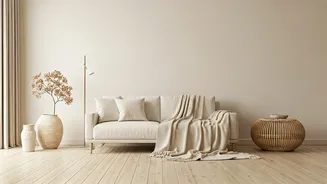
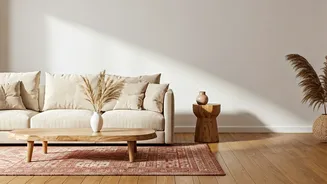
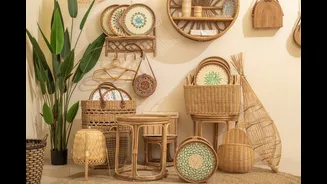
Soft furnishings and textiles are where this aesthetic truly comes alive with comfort. The emphasis is on breathable, organic, and handwoven fabrics. Heavy synthetic drapes are replaced with light, airy cotton or linen curtains that gently filter sunlight. Jute and sisal rugs define seating areas, adding a coarse, rustic texture underfoot that literally grounds the room. Furniture made from cane, rattan, or bamboo has seen a massive resurgence, prized for its lightweight appearance and sustainable credentials. These fibers bring a casual, unpretentious elegance and reinforce the connection to a simpler, more organic way of living.
4. Celebrating the Handcrafted Object
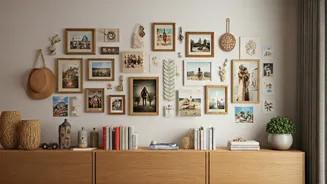
This trend moves away from mass-produced perfection and finds beauty in the unique and the imperfect, an idea with deep roots in philosophies like wabi-sabi. Hand-thrown pottery, with its slight asymmetries and unique glazes, is used for planters, vases, and tableware. Hand-carved wooden bowls, block-printed fabrics from Rajasthan, and hand-knotted macramé wall hangings are featured as art. Each piece tells a story of its maker and its material. By incorporating these items, the home becomes a curated collection of meaningful objects rather than a showroom of factory-made decor. This personal touch makes a space feel lived-in, authentic, and deeply individual.
5. Greenery as Living Architecture
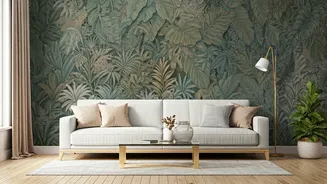
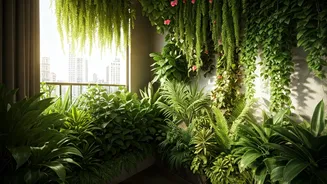
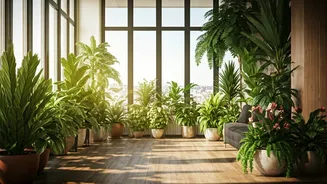
Biophilia—the innate human desire to connect with nature—is at the core of the earthy interior. But it goes beyond placing a few potted plants on a windowsill. In these homes, greenery is an architectural element. Large-leafed plants like fiddle-leaf figs and monsteras create dramatic focal points, while trailing plants like pothos cascade from shelves, blurring the lines between indoors and out. Courtyards, even small ones in urban apartments, become green lungs for the home. This integration of plant life does more than just purify the air; it provides a constant, living reminder of nature’s rhythms, promoting a sense of calm and vitality.