



The Old Guard Makes Way
Forget the image of a dimly lit restaurant with a predictable buffet line. The paradigm of Indian dining is shifting dramatically, driven by a generation of chefs who are both globally trained and fiercely proud of their heritage. For years, fine dining in India often
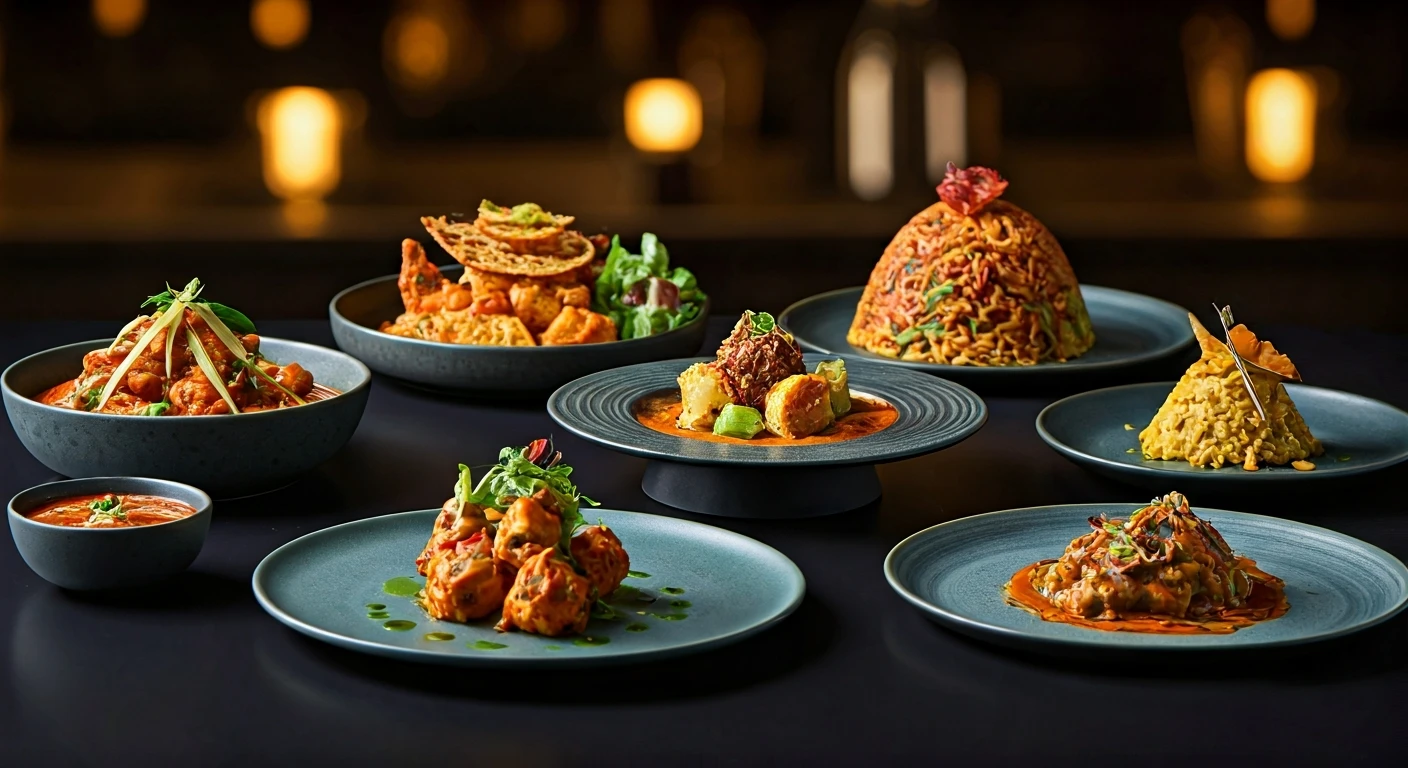
meant French or Italian food. Indian cuisine was largely relegated to more casual, traditional formats. But that hierarchy has crumbled. Today’s most exciting restaurants aren’t trying to mimic Europe; they’re excavating the subcontinent’s immense culinary diversity and presenting it with modern flair and world-class technique. Chefs who honed their skills in the kitchens of Copenhagen, New York, and Dubai are returning home, not to replicate what they learned, but to apply it to the ingredients and flavors they grew up with. This isn't about fusion confusion; it's a thoughtful, confident reinterpretation of what Indian food can be.
The Michelin Star Arrives
Nothing says “we’ve arrived” in the culinary world quite like the arrival of the Michelin Guide. In late 2022, the little red book finally landed in India, starting with Goa and Mumbai. This wasn't just a validation; it was an accelerant. The recognition bestowed upon restaurants like Trèsind Studio (Dubai-born, now in Mumbai), known for its modernist take on Indian flavors, or Avartana in Chennai, which re-imagines South Indian cuisine, provides a tangible benchmark for excellence. This global spotlight, combined with the influential Asia’s 50 Best Restaurants list, has created a new competitive landscape. Chefs are no longer just cooking for their city; they're on a global stage. This has pushed standards of creativity, service, and concept development to unprecedented levels. The race for stars and accolades is fueling an arms race of innovation, turning cities like Mumbai and Delhi into must-visit destinations for global foodies.
A New Kind of Customer
While international recognition is important, the real engine of this transformation is domestic. India’s burgeoning middle and upper classes are more traveled, more exposed to global trends, and more demanding than ever before. They are the ones filling the reservations at these new-wave restaurants. They watch Netflix’s “Chef’s Table,” follow food influencers on Instagram, and have the disposable income to seek out unique dining experiences. This sophisticated local audience is hungry for novelty but also for authenticity. They appreciate a chef who can deconstruct a classic street food dish like pani puri into a single, explosive bite, or who can build a ten-course tasting menu around the forgotten vegetables of a specific region. They are a discerning crowd that rewards creativity and storytelling on a plate, providing the financial foundation for chefs to take risks.
From Hyper-Local to High Concept
The movement is also radically diverse. On one end, you have restaurants championing extreme locality. In Goa, for instance, chefs are foraging for coastal greens and showcasing the richness of Konkan ingredients. In the mountains of Uttarakhand, boutique hotels are building menus around Kumaoni millets and pulses. This is a direct rebuttal to the generic, one-size-fits-all “North Indian” menu that dominated for so long. On the other end, high-concept establishments are exploring pan-Indian narratives. Restaurants like Indian Accent, a perennial favorite, have long been celebrated for their inventive approach that playfully crisscrosses the country’s culinary map. This dual movement—drilling down into micro-regional specificity while also zooming out to create a cohesive, modern Indian identity—is what makes the scene so dynamic. It’s a culinary conversation happening at every scale.