






The Himalayan Umbrella Effect
The magic of Spiti Valley lies in a simple geographic phenomenon: the rain shadow. From June to September, when most of the Indian subcontinent is drenched by monsoon rains, Spiti remains remarkably dry. The towering Himalayan ranges to the south act
as a colossal wall, blocking moisture-laden clouds from reaching this remote valley. As the clouds are forced to rise, they cool and shed all their rain on the windward side, leaving the leeward side—where Spiti is located—arid and sunny. This creates a unique 'dry window' for travel, turning what is typically the off-season for mountain adventures elsewhere in the region into Spiti's peak tourist season. It’s not just a travel hack; it’s a meteorological marvel that defines the valley's entire ecosystem and way of life.
A Land of Stark, Lunar Beauty
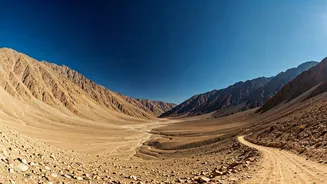
Forget the lush, green landscapes you associate with India. Stepping into Spiti is like landing on another planet. The scenery is a breathtaking canvas of barren, rust-colored mountains, deep gorges carved by the turquoise Spiti River, and vast plains under an impossibly big blue sky. Perched at an average altitude of over 12,500 feet, the air is thin, crisp, and clean. The landscape is dotted with small, whitewashed villages that seem to grow organically from the rocky terrain. This starkness is not empty; it’s full of character. The raw, unfiltered beauty of the valley forces a sense of perspective, dwarfing human concerns against the sheer scale of nature. It's a photographer's dream and a meditator's paradise, where the silence is as profound as the views.
The Ancient Monastery Trail
Spiti is a bastion of Tibetan Buddhism, and its ancient monasteries are the cultural and spiritual heart of the region. A journey here is incomplete without exploring these incredible cliff-side gompas. The most famous is Key Monastery, a stunning complex of rooms and corridors that look like a fortress clinging to a conical hill. Tabo Monastery, a UNESCO World Heritage site, is known as the 'Ajanta of the Himalayas' for its thousand-year-old murals and scriptures preserved in the darkness of its mud-brick walls. Then there's Dhankar Monastery, precariously perched on a 1,000-foot spur overlooking the confluence of the Spiti and Pin rivers. Visiting them isn't just sightseeing; it's a step back in time, offering a glimpse into a resilient culture that has thrived in isolation for centuries.
High-Altitude Thrills and Adventure
While the culture is serene, the adventure is anything but. Spiti is a world-class playground for thrill-seekers. Motorcyclists from around the globe dream of conquering the road from Manali to Kaza, navigating the treacherous high passes of Rohtang and Kunzum. For trekkers, the options are endless, from moderate day hikes to remote villages like Komik (one of the highest inhabited villages in the world) to challenging multi-day expeditions like the Pin-Parvati Pass trek that crosses from the lush Parvati Valley into the arid Pin Valley National Park. When night falls, the adventure continues. With zero light pollution and crystal-clear skies, Spiti offers some of the most spectacular stargazing on Earth, where the Milky Way feels close enough to touch.
Planning Your High-Desert Escape
Getting to Spiti is an adventure in itself, and it requires planning. The ideal time to visit is from mid-June to early October when the mountain passes are open and the weather is pleasant. The most common route is a rugged, multi-day road trip from Manali in Himachal Pradesh, a journey known for its dramatic scenery and challenging conditions. An alternative, longer route from Shimla is open for more of the year but still takes several days. This is not a luxury destination; accommodation is mostly in basic guesthouses and homestays, which offer an authentic way to experience local life. The high altitude is a serious factor, and acclimatization is crucial. Plan to spend at least one or two nights at an intermediate altitude before ascending further to avoid altitude sickness. Spiti rewards the prepared and patient traveler with an experience unlike any other.