
The Allure of the Bottle Planter
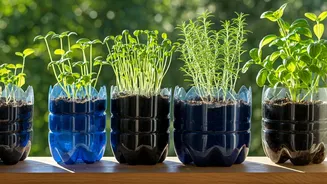
It’s easy to see why turning a two-liter bottle into a self-watering planter is an internet darling. The appeal is a trifecta of modern values: it’s virtually free, it feels environmentally responsible, and it’s a creative outlet. For anyone starting
a garden on a balcony or windowsill, the cost of pots and containers can be a surprising barrier. Upcycling seems to solve that problem instantly. You finish a drink and, instead of tossing the bottle, you give it a new life nurturing a basil plant. It’s a tangible act of waste reduction that you can see and feel good about every day. This DIY ethos taps into a desire for self-sufficiency and a rejection of consumerism, making the humble plastic bottle a symbol of resourceful, modern living. It’s a photogenic project that signals both thrift and environmental consciousness, a powerful combination in the age of social media.
A Green Idea with a Hidden Cost
The problem is, the plastic bottle wasn't designed for this second life. Most single-use beverage bottles are made from polyethylene terephthalate (PET), or plastic #1. While great for holding soda for a few months, it's not built to withstand the rigors of a garden. When exposed to direct sunlight and fluctuating temperatures, PET plastic becomes brittle. It photodegrades, cracking and breaking down, often within a single growing season. This leads to a more insidious problem: microplastics. As the container degrades, it sheds tiny plastic particles into the soil. If you're growing herbs or vegetables, your plants can potentially absorb these microplastics, introducing them into your food. Furthermore, while PET is generally considered stable, studies have shown that heat and UV exposure can increase the potential for chemical leaching. While the risk from a single planter may be small, the principle of growing food in a degrading, non-food-grade container runs counter to the goal of cultivating healthy, natural produce.
Not All Plastics Are Created Equal
This doesn't mean all plastic is off-limits for gardening. The key is to understand the different types, which are identified by the resin identification code—the number inside the triangular recycling symbol. While #1 PET is best avoided for long-term gardening, other plastics are far more durable and stable. Look for containers made from #2 (HDPE), the tough plastic used for milk jugs and laundry detergent, or #5 (PP), used for yogurt containers and many reusable food-storage items. These plastics are significantly more resistant to heat and UV degradation. Many commercial nurseries and garden centers use pots made from #5 plastic precisely for this reason. If you decide to repurpose a plastic container, choose one made from #2 or #5 plastic. Ensure it's thoroughly cleaned, and if it previously held non-food substances like cleaning chemicals, it’s best to use it only for ornamental plants, not edibles.
Smarter, Safer Upcycling Swaps
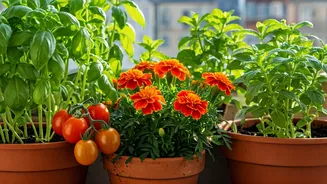
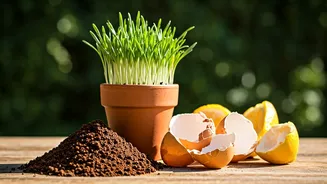
The desire to garden sustainably without breaking the bank is a good one. Fortunately, there are many alternatives that are safer and more effective than a soda bottle. Terracotta pots are inexpensive, durable, and their porous nature is excellent for soil aeration and moisture control. You can often find them for a few dollars at garden centers or even for free on local giveaway sites. Old colanders, with their built-in drainage, make fantastic planters for strawberries or herbs. Untreated wood can be fashioned into rustic and sturdy planter boxes. Even fabric grow bags, which are lightweight and promote healthy root growth through air pruning, have become an affordable and popular option. These materials either last longer, create a healthier environment for plant roots, or gracefully biodegrade without leaving a legacy of microplastics in your soil. They capture the spirit of resourceful gardening without the unintended consequences.