

The Long Reign of the Box
For the better part of a century, the 'box frame' was the pinnacle of sophisticated design. Born from the modernist movement of the early 20th century, architects like Le Corbusier and Mies van der Rohe championed a new language of building: clean lines,
right angles, and unadorned surfaces. This was architecture as pure function and rational thought. The open-plan living room, the floor-to-ceiling glass walls, and the minimalist cube-like houses that dot the Hollywood Hills are all children of this philosophy. It was a rejection of fussy, historical ornamentation in favor of something streamlined, efficient, and forward-looking. This style communicated control, order, and a cool, detached elegance. For a world hurtling toward industrial and technological progress, it made perfect sense.
The Inherent Psychology of the Curve
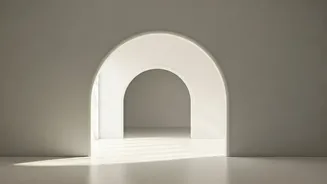
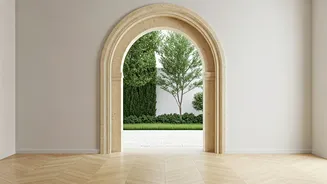
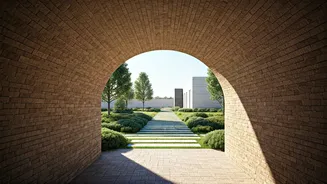
So why the sudden shift? Part of the answer lies in our primal psychology. Studies in neuroaesthetics—the science of how our brains react to art and design—have shown that humans have a strong preference for curved forms over sharp, angular ones. Sharp angles can subconsciously trigger a threat response in our amygdala, the part of the brain associated with fear and anxiety. Think of thorns, broken glass, or jagged rocks. Curves, on the other hand, are perceived as safe, gentle, and natural. They mimic forms we find in nature: the arc of the horizon, the shape of a sheltering cave, rolling hills, and even the human body. An arched walkway doesn't just guide you from one room to another; it feels like an embrace. It’s a softer, more welcoming gesture than a standard rectangular doorway, which simply carves a functional hole in a wall.
A Comforting Shape for Anxious Times
The arch’s resurgence isn’t happening in a vacuum. It’s a direct response to our cultural moment. We live in a world of digital rigidity—of grids on screens, sharp-edged phones, and algorithmically optimized lives. Add in years of social, political, and economic uncertainty, and it’s no surprise that we’re collectively craving comfort, softness, and sanctuary in our personal spaces. The severe minimalism of the all-white box, once seen as chic and aspirational, can now feel cold, sterile, and unyielding. The arch, with its historical echoes of Roman aqueducts, Gothic cathedrals, and serene cloisters, offers a sense of permanence, grace, and humanity. It’s a design choice that feels grounded and reassuring. In a world that feels increasingly chaotic and harsh, creating a home that feels like a hug is a powerful act of self-care.
More Than Just a Passageway
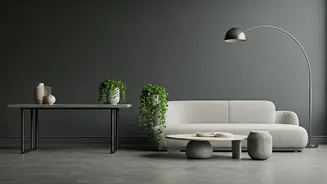
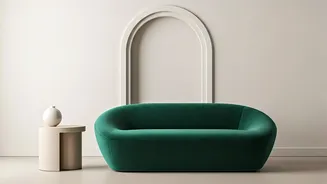
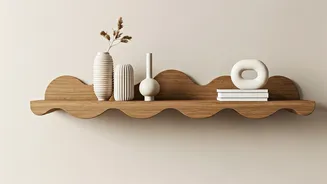
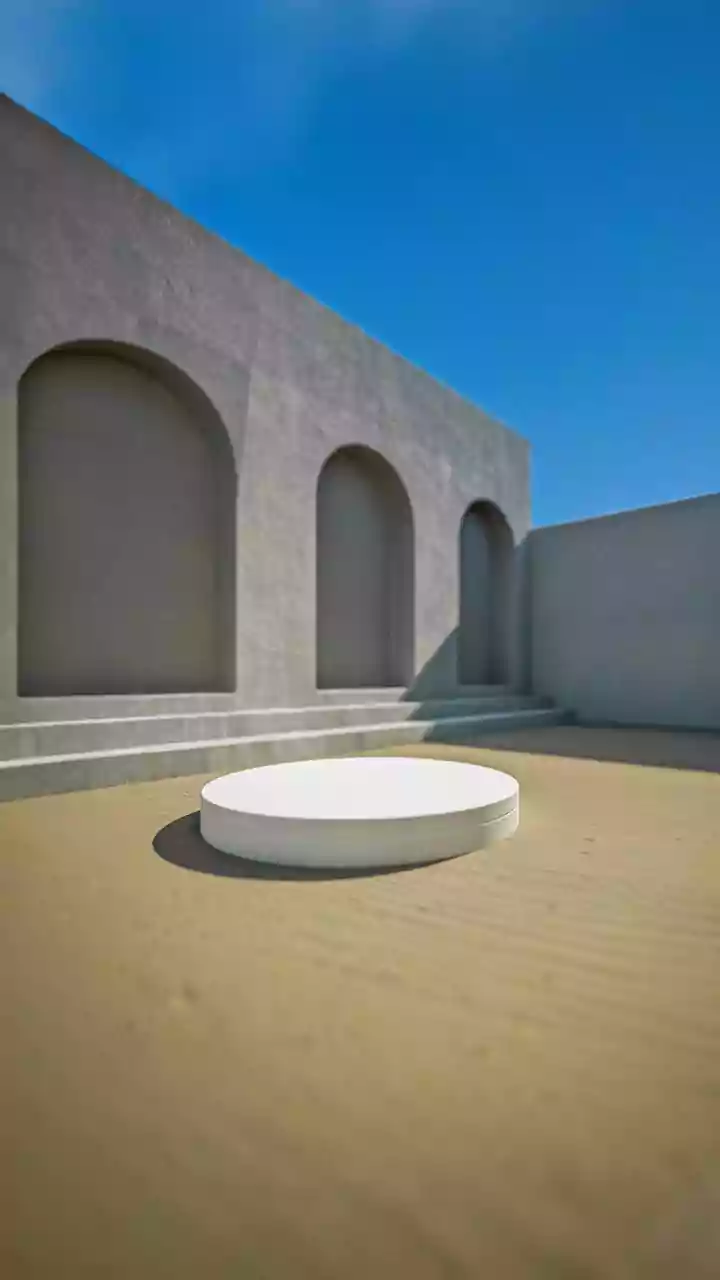
Today’s arch trend is also far more versatile than its historical predecessors. It's not just about structural arched walkways. The arch has become a decorative motif that can be applied in countless ways to soften a modern interior. We see it in rounded, pill-shaped mirrors that hang over bathroom sinks. It appears in built-in shelving nooks that create a perfect frame for treasured objects. Furniture designers are embracing it with curved sofas and round-backed chairs. Even renters are getting in on the trend, using paint to create the illusion of an arched headboard or a colorful alcove. This flexibility allows the arch to be integrated into existing spaces without requiring a full-scale architectural overhaul, making it an accessible way to tap into the desire for softer, more organic forms.