


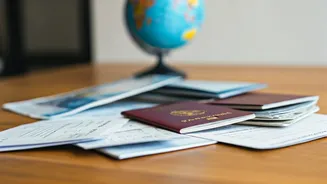

The New Southeast Asian Circuit
For many Americans, a “cheap foreign break” might mean a weekend in Mexico or a quick flight to the Caribbean. For the burgeoning middle class in Chennai, the equivalent is Southeast Asia. Destinations like Vietnam, Malaysia, Thailand, and Sri Lanka have
become the go-to spots for short, affordable international trips. Just a few years ago, such a trip might have been a once-in-a-lifetime luxury, but now, it’s an increasingly common long-weekend plan. The appeal is simple and powerful: a combination of short flight times (often under four hours), favorable exchange rates that make Indian rupees go further, and, crucially, simplified visa policies. Countries like Thailand and Sri Lanka have offered visa-free entry or visa-on-arrival for Indian tourists, removing a significant layer of friction and cost. This has turned the abstract idea of a foreign holiday into a tangible, bookable reality for millions.
An Engine of Economic Aspiration
This travel boom isn’t happening in a vacuum. It’s the direct result of India's remarkable economic growth and the expansion of its middle class. With rising disposable incomes, many families in urban centers like Chennai are seeing their purchasing power increase dramatically. After covering essentials, a growing number have enough left over for discretionary spending, and international travel has become a highly coveted status symbol and personal goal. Travel agencies and online portals in India are capitalizing on this demand, offering all-inclusive packages to these destinations for prices that can rival a domestic luxury vacation. The post-pandemic desire for new experiences, combined with newfound financial ability, has created a perfect storm. It’s a story of aspiration meeting opportunity, played out in the departure lounges of Chennai International Airport.
Reshaping the Global Tourist Map
While this trend is specific to Chennai, it's a microcosm of a much larger phenomenon that should be on the radar of anyone in the global tourism industry. For decades, the archetypal international tourist was Western—American, British, or European. That is rapidly changing. The Indian outbound tourism market is one of the fastest-growing in the world, and its impact is only beginning to be felt. Destinations that cater to this new wave of travelers are reaping the rewards. This means more than just offering Indian food options in hotel buffets. It’s about understanding cultural nuances, adapting marketing, and adjusting service expectations. Airlines are adding more direct flights from Indian metro cities, and local economies in Southeast Asia are becoming increasingly reliant on the influx of Indian visitors. This shift represents a redistribution of tourist spending and a redrawing of the global travel map, with new power centers emerging in Asia.
More Than Just a Vacation
For the travelers themselves, these trips are about more than just beaches and sightseeing. They represent a connection to a wider world and participation in a global culture. Social media feeds fill with photos from Da Nang or Kuala Lumpur, signaling a new kind of social mobility and worldliness. It reflects the ambitions of a young, dynamic, and globally-minded population in India's cities. This isn't just about escaping the daily grind; it's about actively pursuing new experiences that were out of reach for previous generations. The decision to spend on a trip to Vietnam instead of a new piece of jewelry or a car upgrade is a telling cultural indicator. It shows a prioritization of experiences over possessions, a trend familiar in the West but now taking hold with force in one of the world's most populous nations.