



It’s One of Asia’s Last Wild Frontiers
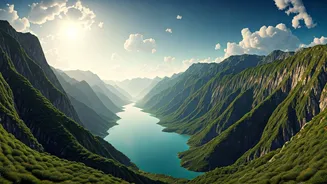
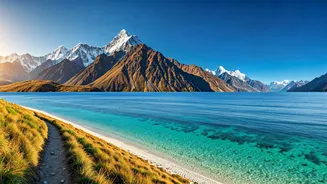
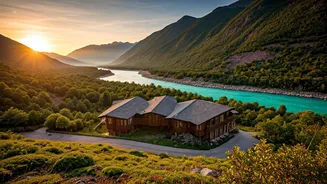
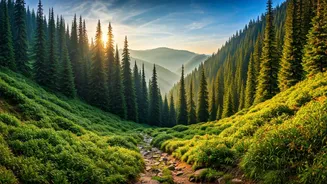
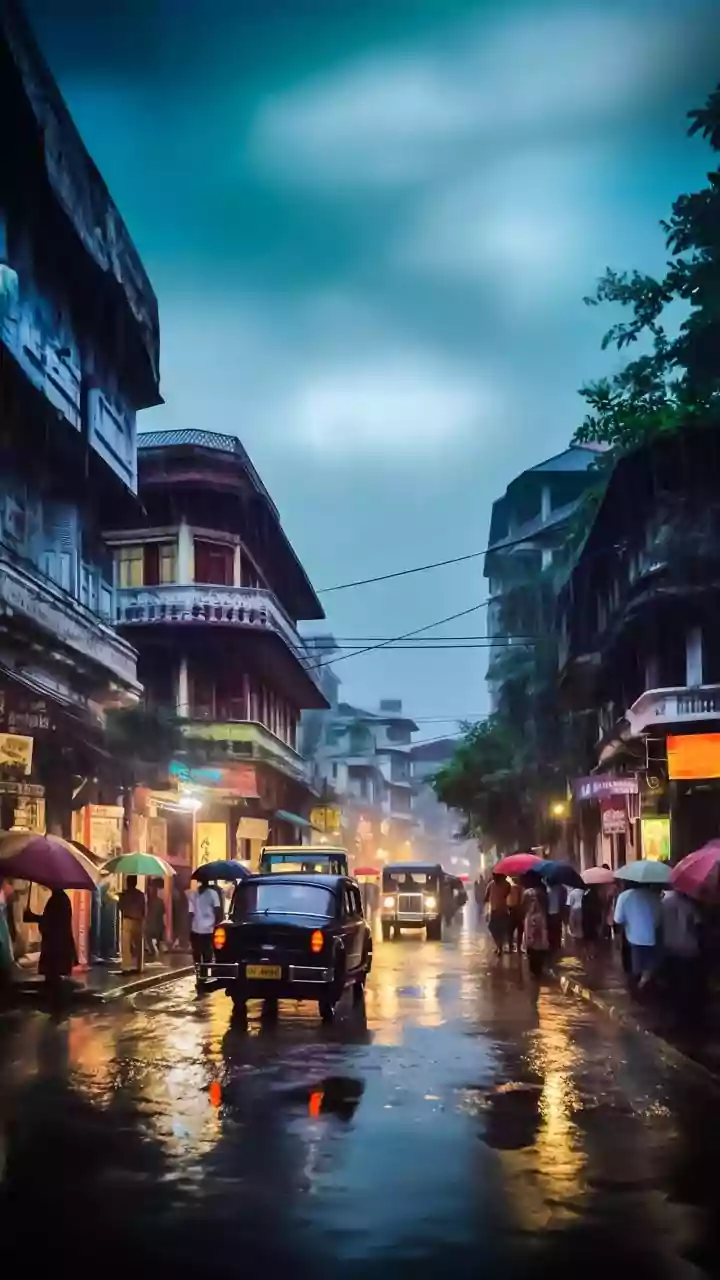
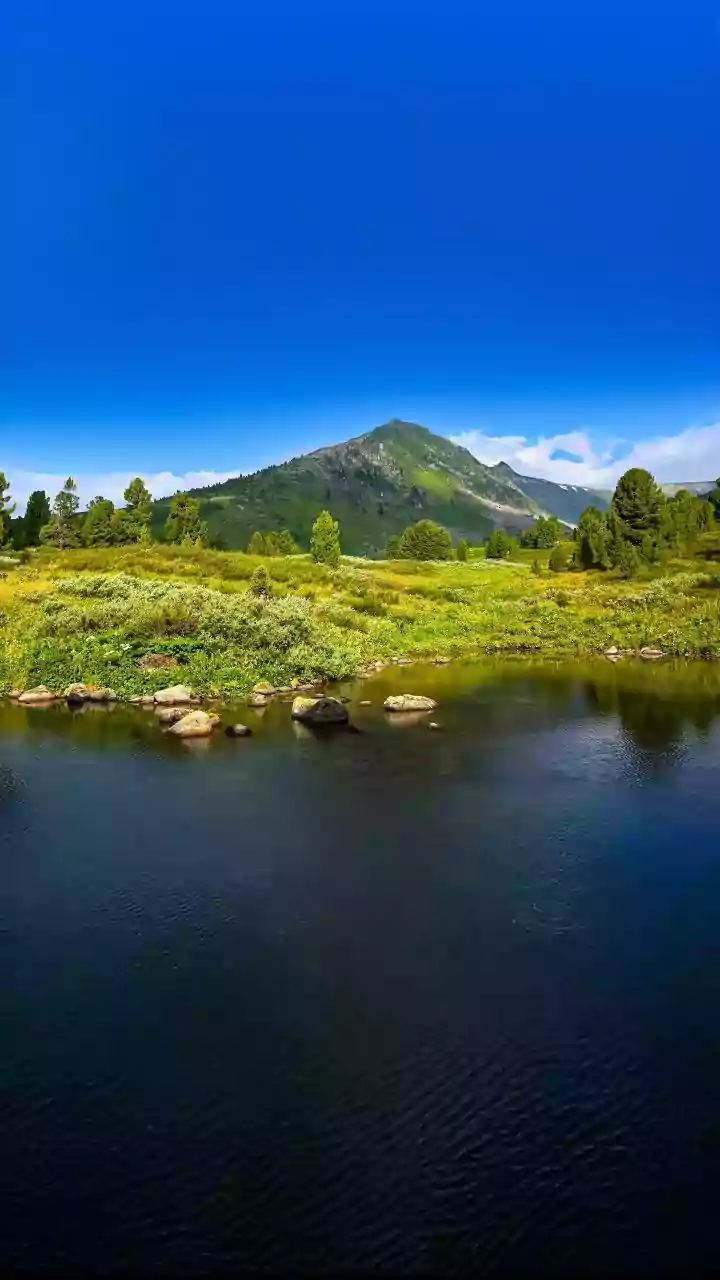
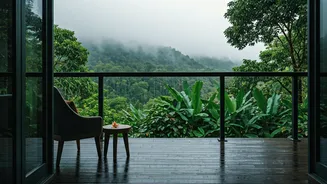
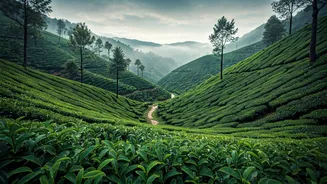
Comprising eight states connected to the rest of India by a narrow strip of land, the Northeast is a biodiversity hotspot. This is not the India of bustling megacities; it's a realm of mist-covered mountains, thundering waterfalls, and dense jungles.
Assam’s Kaziranga National Park is home to two-thirds of the world's great one-horned rhinoceroses, a stunning conservation success story. You can take a jeep safari to spot them alongside wild elephants, tigers, and water buffalo. Farther east, the states of Arunachal Pradesh and Nagaland offer rugged, mountainous terrain that feels truly untouched, with trekking routes that lead to remote villages and breathtaking vistas.
You Can Walk Across Living Bridges
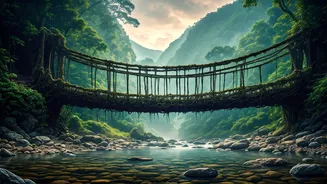
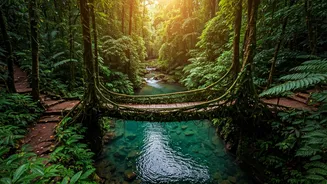
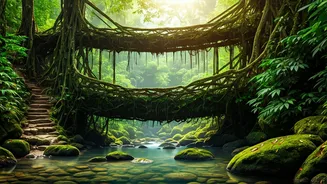
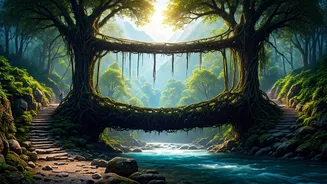
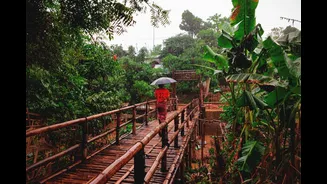
In the rain-soaked hills of Meghalaya, known as the "Abode of Clouds," the local Khasi and Jaintia peoples have developed an astonishing form of natural architecture. For centuries, they have guided the aerial roots of rubber fig trees across rivers and gorges, weaving them together until they form sturdy, living bridges. These structures, some over 100 feet long and capable of supporting dozens of people, get stronger over time. Trekking through lush jungle paths to find a double-decker root bridge is a surreal, unforgettable experience that feels like stepping into a fantasy novel. It’s a testament to a deep, symbiotic relationship between people and nature that exists almost nowhere else on Earth.
Its Cultural Diversity Is Staggering
Northeast India is home to more than 200 distinct ethnic groups, each with its own language, customs, and traditions. This isn't a museum piece; it's a living tapestry of cultures. In Nagaland, you can attend the annual Hornbill Festival (typically in December), a vibrant gathering where dozens of tribes showcase their traditional music, dance, dress, and food. It’s a spectacular and accessible window into a world of warrior traditions and animist beliefs. In Arunachal Pradesh, you can visit the Tawang Monastery, the second-largest Buddhist monastery in the world, perched at 10,000 feet and offering profound spiritual tranquility and stunning Himalayan views.
The Food Is a Revelation
If your experience with Indian food is limited to chicken tikka masala and naan, the Northeast will blow your mind. The cuisine here is completely different, relying on local, foraged ingredients and distinct cooking techniques. You’ll find dishes centered on bamboo shoots, fermented soybeans (akhuni), and a dizzying variety of fresh herbs. Pork is a staple, often smoked or slow-cooked with flavorful greens. And for the gastronomically brave, this is the home of the Bhut Jolokia, or "ghost pepper," once the world’s hottest chili. From savory rice beer to smoky meat stews and tangy fish curries, the food is an adventure in itself.
It’s Finally Easier to Get To
For decades, this region was largely off-limits to outsiders due to political sensitivities and difficult terrain, requiring special permits that were a hassle for foreign tourists. That has changed dramatically. The Indian government has significantly eased permit restrictions for most of the northeastern states, and infrastructure has seen massive improvements. New airports and better roads have cut down travel times, making it more feasible than ever to explore. While it still requires a spirit of adventure—don't expect five-star luxury everywhere—the logistics are no longer the barrier they once were. This shift has unlocked the region for a new generation of travelers seeking authenticity over convenience.