

The Pro-Rain Argument: A Natural Spa Day
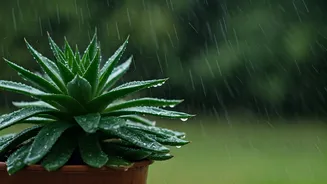
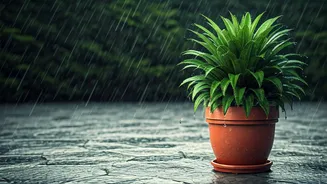
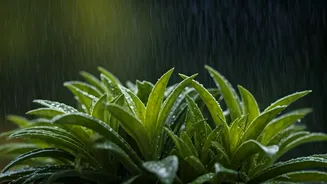
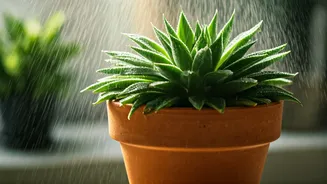
Team Pro-Rain has some compelling points. At the top of the list is the quality of the water itself. Unlike tap water, which is often treated with chlorine and fluoride and can be high in minerals, rainwater is naturally soft and slightly acidic. This
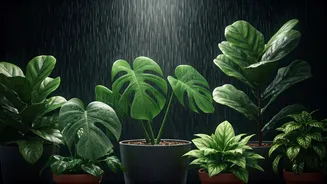
composition helps dissolve and flush away mineral salt buildup from fertilizers that accumulates in potting soil, which can inhibit root function over time. Furthermore, rainwater contains dissolved atmospheric nitrogen, a crucial macronutrient for lush, green foliage. Proponents see a summer shower as a free, nutrient-rich flush that cleans dust off leaves, allowing for better photosynthesis, and provides a more thorough and even soaking than most of us manage with a watering can. For many tropical plants that evolved in rainforests, a warm downpour is the closest they'll get to their native habitat, often triggering a noticeable growth spurt.
The Anti-Rain Stance: A Recipe for Disaster
On the other side of the aisle, cautious plant parents argue that the risks far outweigh the benefits. Their primary concern is overwatering. A pot without excellent drainage can quickly become a waterlogged swamp during a prolonged downpour, leading to root rot—a death sentence for many houseplants. Then there are the pests. The great outdoors is crawling with aphids, spider mites, and fungus gnats eager to find a new home. Bringing a plant back inside without a thorough inspection is like sending a Trojan horse into your carefully curated indoor jungle. Physical damage is another major risk. A gentle shower can quickly turn into a gusty squall with heavy drops or even hail, which can shred delicate leaves and snap fragile stems. Finally, there's the shock. A plant accustomed to the stable, shady conditions of your living room can easily get scorched if left in direct sun before or after the rain.
Not All Plants Are Created Equal
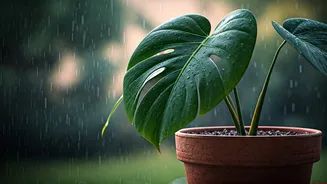
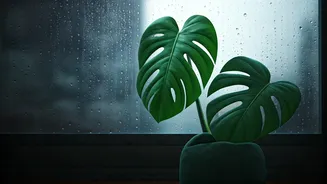
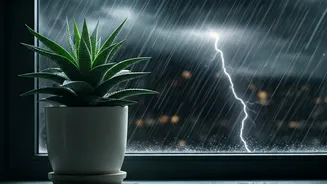
The truth is, this isn't a one-size-fits-all debate. The right answer depends entirely on the plant. Tropicals with large, waxy leaves like monsteras, bird of paradise, and most philodendrons generally love a good rinse. They are built for it. Ferns, calatheas, and other humidity-lovers also tend to respond well to the extra moisture. However, some plants should almost never be left in the rain. Cacti and succulents, which are adapted to arid conditions, are extremely susceptible to root rot from excess water. Plants with fuzzy leaves, such as African violets, can be prone to fungal spots and rot if water sits on their foliage for too long. Any newly repotted plant or one that's already stressed should also stay indoors, as it doesn't have the strength to handle the potential shock.
How to Rainwater Your Plants the Right Way
If you decide to give your plants a summer shower, you can mitigate the risks by following a few simple rules. First, timing is everything. A light, steady, and warm rain is ideal. Avoid cold rains, torrential downpours, or windy thunderstorms. Second, only put out plants in pots with excellent drainage holes. If you use decorative cachepots without holes, remove the plant from them first. Third, don't leave them out for too long—an hour is usually plenty to get the benefits without the risk of waterlogging. After the rain, let the plants drain fully in a sheltered, shady spot (like a covered porch) before bringing them back inside. This prevents sunburn and allows you to perform a thorough pest check on the leaves, stems, and soil surface. Some people even prefer a compromise: collecting rainwater in a bucket or barrel and using that to water their plants indoors, getting the water quality benefits without any of the outdoor risks.