



The Taste of Saturday Morning
For a certain generation, the core memories of childhood are intrinsically linked to the pantry. They taste like the prize at the bottom of a cereal box, the synthetic cheese powder of an after-school snack, and the gooey filling of a toaster pastry grabbed
on the way out the door. These weren’t just foods; they were rituals, rewards, and moments of uncomplicated bliss. Nutrition labels were for adults to worry about. The only metric that mattered was a combination of sugar content and cartoon mascot appeal. This culinary landscape was a world of bright colors, bold flavors, and blissful ignorance about things like added sugars, empty calories, and processed ingredients. It was a time when ‘food as fuel’ was a concept for athletes, not for kids watching cartoons. That powerful emotional connection—the feeling of comfort, safety, and simple happiness—is what we now call nostalgia. And it’s a powerful marketing tool because it sells not just a product, but a feeling.
The Modern Pantry Makeover
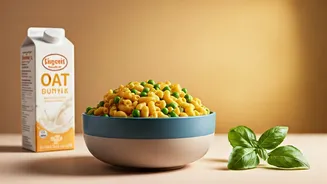
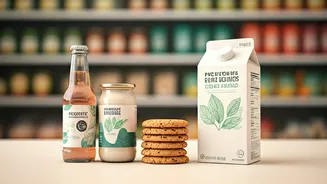
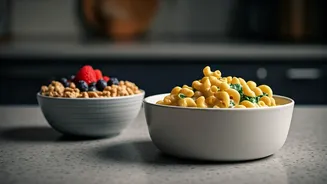
Walk down a grocery aisle today, or more likely, scroll through your Instagram feed, and you’ll see those same comfort foods, but they’ve undergone a transformation. The cartoon-colored cereal is back, but now it boasts “zero sugar” and “high protein.” Brands like Magic Spoon and Catalina Crunch have resurrected the crunchy, sweet breakfast experience for adults who now track macros. That familiar box of mac and cheese has a doppelgänger from companies like Goodles or Banza, which promise more protein and fiber from chickpeas or added nutrients. This isn’t about subtle reformulation. It’s a complete identity shift. These products aren’t just offering a slightly less unhealthy version of the original; they are positioning themselves as actively good for you. They speak the language of modern wellness culture: keto-friendly, gluten-free, plant-based, and packed with functional benefits. They promise the same nostalgic dopamine hit, but without the subsequent guilt or sugar crash. It’s an enticing pitch: all of the pleasure, none of the dietary baggage.
Driven by the Millennial Mindset
So, why is this happening now? The answer lies with the generation that grew up on the original versions: millennials. Now in their 30s and early 40s, they are the primary consumers, and often parents themselves. This demographic is caught between two powerful forces: a longing for the simpler comforts of their youth and an adulthood steeped in wellness culture, bio-hacking, and obsessive self-optimization. For many, this isn’t just about eating healthier; it’s about control. Adulthood brought with it anxieties their childhood pantry never knew—economic uncertainty, information overload, and endless pressure to perform. Re-creating a childhood favorite with ‘better’ ingredients is a small act of reclaiming the past and sanitizing it to fit a tightly controlled adult life. It’s also about parenting. Millennial parents want to share the joy of a fun, colorful breakfast with their own kids, but they’re armed with a firehose of nutritional information their own parents never had. A high-protein, low-sugar version offers a guilt-free compromise.
A Health Halo or a Real Upgrade?
The critical question, of course, is whether these new-wave comfort foods are genuinely healthy or just wrapped in a convincing “health halo.” The answer is complicated. Compared to their original inspirations, they are often undeniable nutritional upgrades. Swapping refined flour for chickpea pasta adds fiber and protein. Replacing sugar with monk fruit or allulose dramatically cuts the glycemic load. From a pure numbers perspective, the labels deliver on their promises. However, many nutritionists caution against viewing them as foundational health foods. They are still highly processed products, engineered to mimic a specific taste and texture. While a bowl of high-protein cereal is certainly a different choice than its sugary ancestor, it may not be superior to a bowl of oatmeal or a plate of eggs. The danger of the health halo is that it can encourage overconsumption under the guise of virtue. The marketing brilliantly allows us to feel like we’re making a responsible choice while still indulging a craving for what is, at its core, a treat.