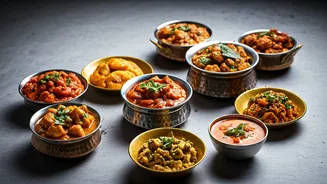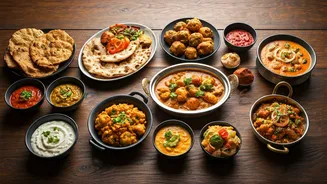




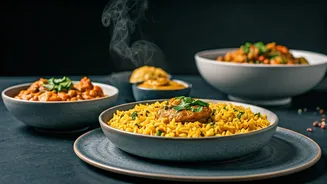
Goodbye Buffet, Hello Small Plates
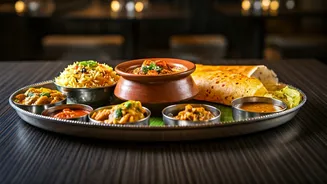
The shift is palpable in cities from New York to San Francisco. Instead of a menu organized around massive, share-at-your-own-risk entrees, a new wave of Indian restaurants is championing the small plate. Think less about a single, monolithic curry and
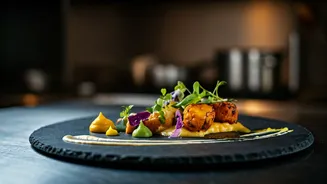
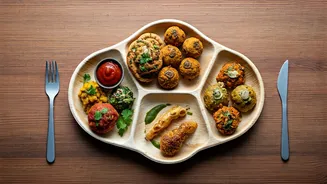
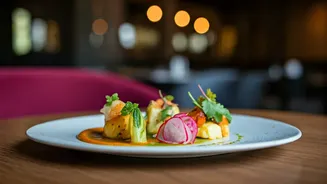
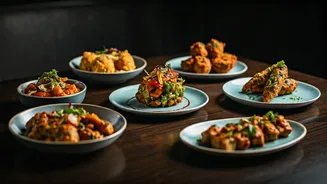
more about a collection of vibrant, distinct, and shareable dishes. It’s a format that feels immediately familiar to anyone who loves Spanish tapas, Greek meze, or even the contemporary American restaurant model where ordering a variety of small dishes for the table is the norm. This “tapas-ification” is more than a gimmick; it’s a fundamental change in how Indian food is being presented. It encourages exploration, allowing diners to sample a wider swath of flavors—a spicy Goan shrimp dish next to a cool yogurt-based raita, a crispy Delhi-style chaat alongside a modern duck confit samosa. It’s a dining style that is inherently more social, conversational, and aligned with how Americans want to eat today: with variety, curiosity, and a cocktail in hand.
The Chefs Driving the Change
This culinary evolution isn't happening in a vacuum. It’s being driven by a cohort of supremely talented chefs, many of them second-generation Indian Americans or recent immigrants with classical training and a deep well of family recipes. Chefs like Chintan Pandya of New York’s Dhamaka and Semma, or Meherwan Irani of Chai Pani in Asheville, are leading the charge. They aren't interested in simply replicating the North Indian Punjabi fare that came to dominate the American perception of Indian cuisine. Instead, they are digging deep into the subcontinent’s vast and varied regional traditions—from the fiery seafood curries of the south to the rustic, smoky kebabs of regions rarely represented on U.S. menus. These chefs have the confidence to serve unapologetically bold flavors, but in a format that feels fresh and accessible. They are moving away from the pressure to offer a “greatest hits” menu and are instead creating highly personal, focused concepts that tell a specific story about a place, a family, or a particular culinary tradition.
A New Definition of 'Authentic'
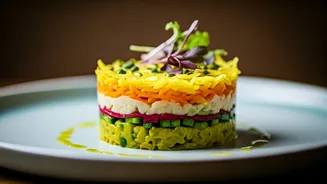
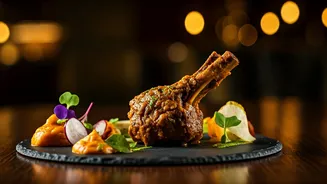
For years, immigrant restaurateurs faced the “authenticity trap”—the pressure to cook a narrow, often watered-down version of their cuisine that American palates would accept. This new era of Indian dining blows that concept up entirely. The new authenticity isn't about perfectly replicating a dish exactly as it’s made in a village in Rajasthan. It’s about being authentic to the chef’s vision and the ingredients at hand. You might find chili cheese toast—a beloved Indian street food snack—elevated with artisanal sourdough and Amul cheese, or a classic biryani deconstructed and presented with modern flair. This isn’t fusion in the confusing, muddled sense of the ‘90s. It’s a confident reinterpretation, a way of saying that Indian food is a living, breathing tradition that can absorb new ideas without losing its soul. It frees chefs to be creative and challenges diners to expand their own definitions of what Indian food can be.
From Cheap Eats to a Destination
Perhaps the most significant outcome of this small-plates revolution is the repositioning of Indian cuisine in the American dining hierarchy. For too long, it was relegated to the category of cheap, filling, and often generic takeout. By embracing a modern format, focusing on high-quality ingredients, and creating sophisticated bar programs, these new restaurants are recasting Indian food as a destination-worthy experience. People are now making reservations weeks in advance and paying premium prices not for a buffet, but for a unique culinary journey. This shift allows Indian cuisine to be judged on the same terms as French, Italian, or Japanese food—for its complexity, its regional diversity, and its capacity for innovation. It’s a recognition that the flavors that have captivated a billion people deserve a prime spot on America’s culinary stage.