



The Microbiome Goes Mainstream
First, a quick refresher. When we talk about “gut health,” we’re really talking about the microbiome: the trillions of tiny organisms, mostly bacteria, living in your digestive tract. A healthy, diverse community of these microbes is linked to everything
from better digestion and a stronger immune system to improved mood. For years, the American approach was often reactive, treating gut issues as they arose. Now, the focus has shifted to proactive care: feeding the good bacteria and creating an environment where they can thrive. This has sparked a boom in probiotic supplements and fermented foods, presented as cutting-edge wellness discoveries. But for many cultures, this isn't a trend; it's just dinner.
The Power of the Spice Box
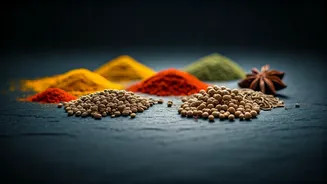
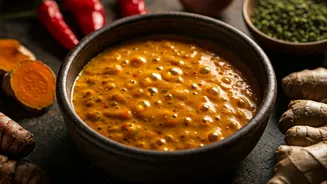
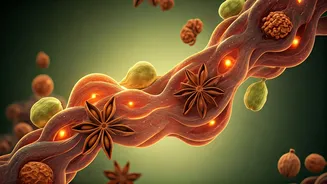
Walk into any Indian kitchen, and you’ll find a *masala dabba*, or spice box, holding the foundational flavors of the cuisine. While these spices—like turmeric, cumin, ginger, coriander, and black pepper—are prized for their taste, their traditional use is deeply rooted in Ayurvedic principles of health and digestion. Modern science is now validating this ancient wisdom. Turmeric, for instance, contains curcumin, a powerful anti-inflammatory compound that can help soothe the gut lining. Ginger is a well-known digestive aid that can ease nausea and bloating. Cumin seeds are traditionally used to stimulate digestive enzymes. This isn't just about adding a pinch of flavor; it’s a holistic system where spices are used to make food more digestible and beneficial for the body.
Fermentation Is Tradition, Not a Trend
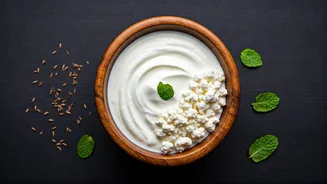
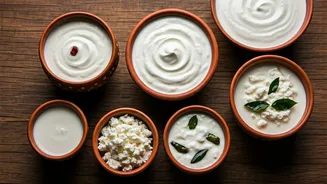
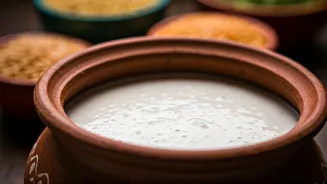
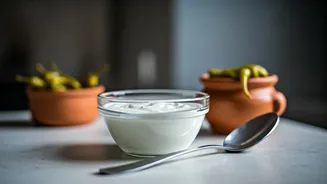
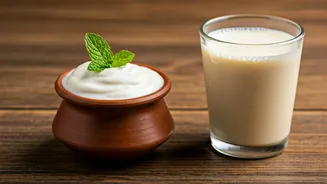
Before kombucha was on tap at every cafe, there was the soupy, bubbly batter for dosa and idli. These South Indian staples, a savory crepe and a steamed rice cake, are made from a fermented blend of rice and lentils. This fermentation process isn't just for texture and a tangy flavor; it’s a natural factory for probiotics. The live cultures that develop break down the starches and proteins, making the nutrients easier for our bodies to absorb while delivering a healthy dose of beneficial bacteria to the gut. The same principle applies to homemade yogurt, or *dahi*, a daily staple in millions of Indian households. Eaten plain, mixed into a cooling *raita*, or blended into a lassi, dahi is a traditional, food-based probiotic that has supported gut health long before the term was ever coined.
A Feast of Fiber and Diversity
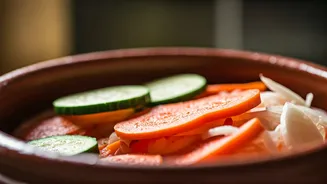
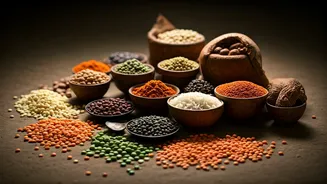
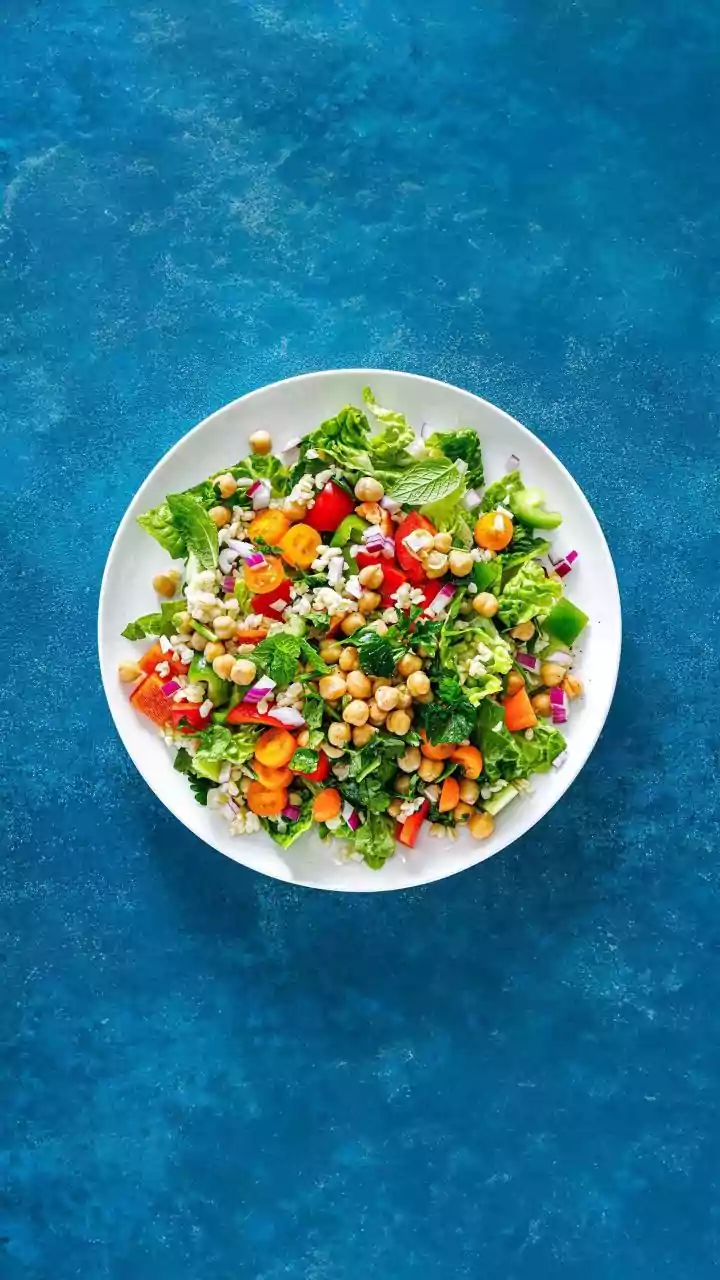
If probiotics are the good bacteria, prebiotics are their food. And the best source of prebiotics is dietary fiber. The standard Indian diet is a masterclass in fiber. The vast array of lentils and legumes that form the basis of *dal*—the humble, everyday stew that anchors most meals—are packed with the soluble fiber that gut microbes love to feast on. Beyond lentils, the emphasis on a wide variety of seasonal vegetables, from leafy greens and gourds to eggplant and okra, ensures a diverse intake of different types of fiber. This plant diversity is crucial. Different microbes feed on different fibers, so eating a wide range of plants helps cultivate a more robust and resilient microbiome. It’s a far cry from a monotonous diet that can starve out certain beneficial bacterial strains.