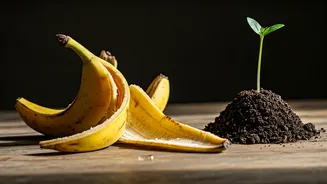







1. Feed Your Garden
This is the most popular and scientifically sound second life for a banana peel. Peels are rich in potassium, phosphorus, and calcium—essential nutrients for flowering and fruiting plants. While they don't contain much nitrogen, they're a fantastic supplement
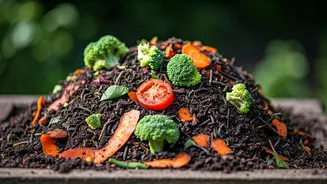
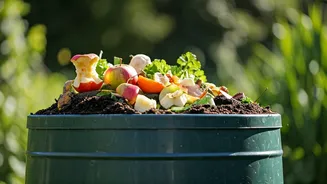
to your regular fertilizing routine, especially for plants like tomatoes, peppers, and roses that crave potassium. There are a few easy ways to do this. You can simply chop the peel into small pieces and bury it a few inches deep at the base of your plants. This allows it to decompose directly in the soil. Alternatively, you can create a 'banana tea' fertilizer. Just place a few peels in a large jar of water and let it steep for two to three days. The water will absorb the nutrients, creating a liquid fertilizer you can use to water your plants. You can also toss whole peels directly into your compost bin, where they will break down and enrich your finished compost.
2. Polish and Shine Around the House
The fibrous, slightly abrasive inside of a banana peel can be used as a natural polisher. For scuffed leather shoes or a dull leather handbag, first remove any dirt, then gently rub the inside of the peel on the leather. The peel’s natural oils and texture can help restore some shine. Afterwards, wipe away any residue with a soft, clean cloth. This method is gentle and chemical-free, making it a great quick fix. The same principle applies to houseplant leaves. Dust can accumulate on the leaves of plants like fiddle-leaf figs, hindering their ability to photosynthesize. Instead of using a chemical spray, gently wipe the tops of the leaves with the inside of a banana peel. It picks up dust and leaves behind a subtle, natural shine. It’s a trick used by horticulturalists to make foliage look extra lush.
3. Tenderize Your Roasts
Here's a simple kitchen hack that can save a tougher cut of meat. When you're roasting a piece of beef or a skinless chicken breast, you risk it drying out in the oven. To help keep it moist and tender, simply lay a banana peel or two on top of the meat before you put it in to cook. The peel acts as a natural barrier, preventing the meat from drying out by releasing moisture as it heats up. It won't impart a banana flavor to your dish, but it will help ensure your final product is juicy and succulent. Just remember to remove and discard the peel before serving.
4. Try Cooking With Them
Yes, you can eat them. In many parts of the world, banana peels are a regular part of the diet, valued for their fiber and nutrients. If you're going to try this, it's crucial to use organic bananas and wash the peel thoroughly to remove any pesticides or wax. The taste is slightly bitter and the texture is tough when raw, so cooking is essential. One popular trend is making 'banana peel bacon.' The peel is scraped to remove the bitter white pith, marinated in a smoky-sweet sauce (think soy sauce, maple syrup, and smoked paprika), and then fried or baked until crispy. It’s a surprisingly convincing plant-based bacon substitute. You can also add a piece of a well-washed peel to your smoothie for an extra boost of fiber and potassium; just be sure your blender is powerful enough to break it down completely.
5. Soothe Your Skin (Gently)
This is where online claims often get a bit wild, promising everything from erasing wrinkles to whitening teeth. Let's stick to what's plausible. The inside of a banana peel contains enzymes and antioxidants that can have a soothing, cooling effect on the skin. Some people find that rubbing the peel on an insect bite or a minor patch of poison ivy provides temporary relief from itching and irritation. Similarly, its moisturizing properties might help soothe dry, flaky skin patches. Think of it as a mild, natural balm rather than a miracle cure. It can be a gentle, chemical-free way to address minor skin discomfort. If you have sensitive skin, it's always wise to do a patch test first. But for a simple bug bite, it’s a folk remedy that costs nothing to try.