

The Off-Season Advantage
When most Americans think of a summer vacation, they picture crowded beaches or packed national parks, complete with surge pricing on flights and lodging. But a different kind of trip awaits in the desert Southwest from July to September. This is monsoon
season, a period of dramatic, daily thunderstorms that transform the landscape. While 'monsoon' might sound intimidating, it’s often the region’s best-kept secret for budget-conscious travelers. This period is typically considered a shoulder season in destinations like Arizona and New Mexico. The intense midday heat of early summer subsides slightly, but the afternoon rains deter many tourists, leading to lower demand. This can translate into significantly reduced rates for hotels and resorts that would be charging a premium just a few weeks earlier. For a short escape—a long weekend, perhaps—this dip in pricing makes a spontaneous, affordable adventure entirely possible.
Embrace the Drama and the Beauty
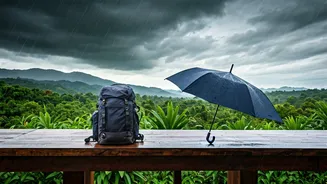
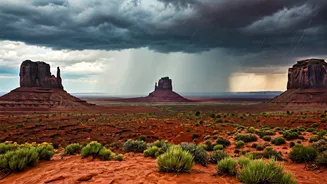
The financial benefit is only half of the story. A monsoon trip is an aesthetic experience unlike any other. The desert, often perceived as brown and barren, erupts in a surprising flush of green. Cacti bloom, wildflowers appear, and the air fills with the incredible, earthy scent of creosote and rain on dry soil, a smell known as petrichor. The storms themselves are the main event. Towering, anvil-shaped clouds build in the afternoon sky, creating a breathtaking display of light and shadow across the mesas and mountains. The rain often comes in a powerful but brief deluge, followed by one of the most spectacular phenomena in nature: the desert sunset. As the sun dips below the storm clouds, the sky explodes in fiery hues of orange, pink, and purple, reflected in the puddles and wet rock below. It’s a photographer’s dream and a powerful reminder of nature’s artistry.
Prime Destinations for a Weekend Trip
Not all desert locations are created equal for a monsoon getaway. The key is choosing a place that offers both natural beauty and good indoor activities for when the storms roll in. Tucson, Arizona, is a prime candidate. It’s nestled among five mountain ranges, offering stunning storm-watching vantages. When the rain passes, you can explore the newly green trails of Saguaro National Park. During the downpour, dive into the city's vibrant UNESCO-designated culinary scene or visit the renowned Arizona-Sonora Desert Museum. Another excellent choice is Santa Fe, New Mexico. At 7,000 feet, the city’s high-desert climate makes the summer temperatures more manageable. The afternoon storms provide a perfect excuse to explore the hundreds of art galleries on Canyon Road, visit the Georgia O'Keeffe Museum, or indulge in a bowl of green chile stew at a historic adobe restaurant. The dramatic skies over the Sangre de Cristo Mountains are simply unforgettable.
How to Plan Your Monsoon Getaway
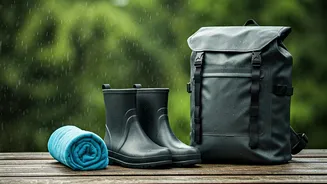
Spontaneity is part of the fun, but a little planning goes a long way. First, be flexible. Your hiking plans might get rained out, so have a backup plan that involves a museum, a great restaurant, or simply watching the storm from a covered patio. When booking accommodations, look for places with good views or comfortable common areas. A room with a balcony can become your private storm-watching theater. Packing is also key. Bring lightweight, breathable layers for the heat, but don't forget a reliable waterproof jacket. Unlike a drizzly coastal rain, monsoon downpours are intense. Sturdy, closed-toe shoes that can handle wet, muddy trails are a must. And despite the clouds, the sun is still powerful; sunscreen, a hat, and sunglasses are non-negotiable.
Travel Smart: Monsoon Safety Essentials
The power that makes the monsoon season so beautiful also demands respect. Flash floods are the single greatest danger. A storm that is miles away can send a wall of water rushing down a dry wash or slot canyon with little warning. Never camp in a dry wash, and if rain is in the forecast, stay out of narrow canyons. Heed all posted warnings and follow the simple but life-saving advice: 'Turn Around, Don't Drown.' Never attempt to drive through a flooded roadway. Lightning is another serious risk. If you can hear thunder, you are close enough to be struck. If you're caught outdoors, avoid high points and seek shelter in a building or hard-topped vehicle. Before you set out each day, check the weather forecast from a reliable source like the National Weather Service. A smart traveler is a safe traveler, and being prepared ensures your monsoon adventure is memorable for all the right reasons.