

1. The Luxury of Total Disconnection
The most valuable commodity in our hyper-connected world isn't thread count—it's silence. The core promise of a forest stay is the permission to be unreachable. This isn’t an accidental feature; it’s the main event. Many high-end cabin companies, like
the popular Getaway brand, build this into their model. There’s often spotty (or non-existent) Wi-Fi, and some even provide a small wooden box for you to lock your phone in for the duration of your stay. In an age of constant notifications and performance anxiety, paying a premium to have a legitimate excuse to ignore your email is the ultimate power move. It reframes the weekend not as a time to catch up, but as a time to fall behind on purpose.
2. Architecture as a Window, Not a Wall
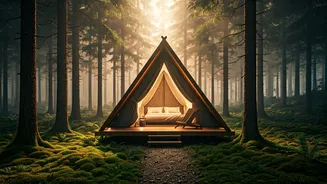
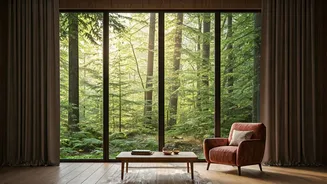
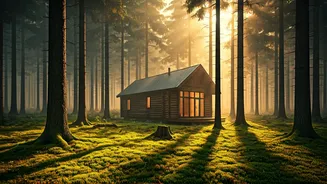
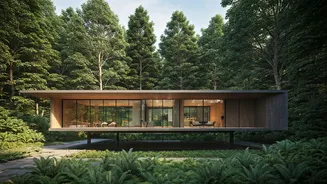
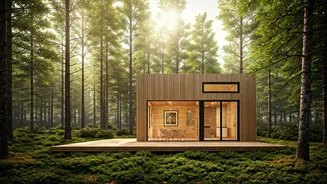
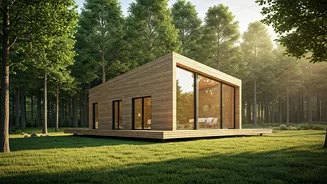
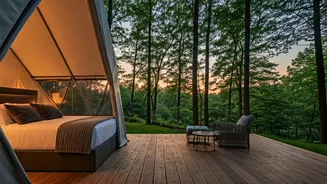
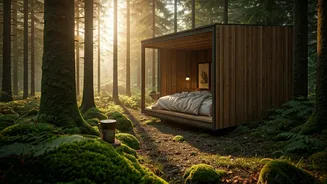
Forget opulent lobbies and marble bathrooms. The new forest luxury is all about minimalist architecture designed to serve the landscape. Think floor-to-ceiling glass walls that make you feel like you’re sleeping in the canopy, Scandinavian-inspired A-frames with clean lines, and thoughtfully placed decks with a fire pit as the centerpiece. The design philosophy is simple: the interior should never compete with the exterior. The view—of towering pines, a misty morning valley, or a star-filled sky—is the art. The cabin is just the frame. These structures, often built with sustainable wood and natural materials, are an intentional departure from the excess of a five-star hotel suite. They offer comfort and style, but their primary function is to dissolve the barrier between you and the natural world.
3. Curated Comfort, Not Clutter
This trend isn’t about roughing it. It’s about ‘soft-roading.’ The luxury lies in having exactly what you need, and nothing you don’t—but ensuring every one of those needs is met with exceptional quality. The mattress is plush, the sheets are crisp, and the kitchen is stocked with a pour-over coffee maker and locally roasted beans, not a clunky Keurig. You won't find a television, but you will find a small library of thoughtfully chosen books or a deck of cards. It’s a highly curated form of minimalism that anticipates the creature comforts you’d actually want in a secluded setting. The feeling isn’t one of deprivation, but of intentionality. Every object has a purpose, removing the decision fatigue that plagues modern life and replacing it with a sense of quiet abundance.
4. Experiences Have Replaced Amenities
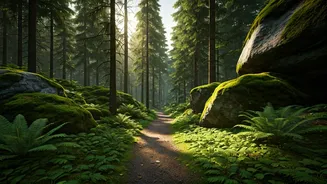
The amenity list for a forest stay reads differently. There’s no spa, no gym, no concierge. Instead, the amenities are the hiking trail that starts just outside your door, the creek where you can cool your feet, or the simple pleasure of watching the sun set without a building in sight. The activity isn't a scheduled yoga class; it's the spontaneous decision to read in a hammock for three hours. This shift reflects a deeper change in what we value. We're moving away from passive consumption (being served at a restaurant, getting a massage) and toward active, personal experiences. The luxury isn't something that is done *for* you, but something you get to do *yourself*, on your own time, in a beautiful and private setting. It’s about creating a memory, not just checking into a property.
5. Status Through Scarcity and Story
In a world where anyone can book a five-star hotel in a major city, the new currency of cool is access to something scarce: genuine solitude. Posting a photo from a secluded, architecturally stunning cabin in the middle of nowhere tells a more interesting story than another shot of a crowded beach club. It signals a certain set of values—an appreciation for nature, design, and well-being over overt displays of wealth. It suggests you’re in on a secret. This form of status is less about the price tag (though these stays can be quite expensive) and more about the experience itself. It’s a quiet flex, a testament to one's ability to find and appreciate beauty far from the beaten path.