




The Golden Healer: Turmeric (Haldi)
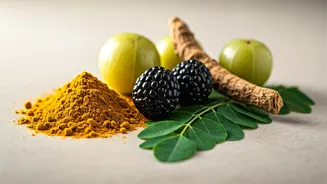
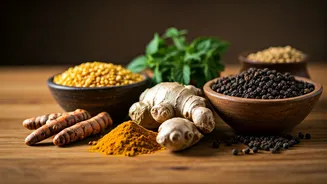
No list of Dadi’s secrets could begin anywhere else. Turmeric, or haldi, is the vibrant yellow spice that colors curries and, traditionally, has been used to address everything from scraped knees to sore throats. The power player here is curcumin, a compound
with well-researched antioxidant and anti-inflammatory properties. While a pinch in your daily cooking is great, Dadi’s go-to for fighting off a cold was often 'haldi doodh'—what the West now calls a golden milk latte. Simply warm a cup of milk (dairy or plant-based) and whisk in a half-teaspoon of turmeric, a pinch of black pepper (which helps your body absorb the curcumin), and a dash of honey. It’s a comforting, warming ritual that helps soothe the system.
The Warming Root: Ginger (Adrak)
That spicy, pungent kick of fresh ginger is a staple in Indian kitchens for a reason. Traditionally used to aid digestion and quell nausea, ginger is also a first line of defense when you feel a tickle in your throat. The key compound, gingerol, has potent anti-inflammatory and antioxidant effects. The simplest way to use it is to make adrak chai (ginger tea). Just grate about an inch of fresh ginger and simmer it in hot water for 5-10 minutes. Strain, then add a squeeze of lemon and a spoonful of honey. It’s a classic remedy that helps clear congestion and provides immediate, warming relief on a chilly day.
The Queen of Herbs: Tulsi (Holy Basil)
Tulsi is not the same as the basil you put in pesto. Revered in Ayurveda, this herb is considered an 'adaptogen,' traditionally believed to help the body adapt to stress and support overall health. Many Indian households have a tulsi plant for this very reason. It’s often used to combat respiratory ailments and is rich in antioxidants. While fresh leaves are best, high-quality tulsi tea bags are now widely available in the U.S. A simple cup of tulsi tea is a calming ritual, perfect for unwinding and giving your body a gentle, supportive nudge, especially during periods of stress when your immune system can be vulnerable.
The Pungent Protector: Garlic (Lahsun)
Dadi probably never measured garlic; she measured it with her heart. Known for its strong aroma and flavor, garlic has been used for centuries in traditional medicine to ward off illness. Its benefits are often linked to a sulfur compound called allicin, which is released when garlic is crushed or chopped. While adding it to your cooking is always a good idea, some traditionalists swear by consuming a small, crushed raw clove when they feel a cold coming on. For a less intense approach, try adding extra minced garlic to soups, stews, or a simple dressing of olive oil and lemon juice to get some of those protective properties into your system.
The Soothing Duo: Honey and Lemon
This combination is so universal, it transcends cultures, but it’s a firm staple in Dadi’s playbook. It’s simple, effective, and backed by modern sense. Lemon provides a dose of Vitamin C, an important micronutrient for immune function, while honey is a natural demulcent—meaning it coats the throat and soothes irritation. Its antimicrobial properties are an added bonus. A warm mug of water with the juice of half a lemon and a teaspoon of raw honey is perhaps the easiest and most comforting remedy for a sore throat. It’s hydration and relief in one cup.
The Foundation: Lentils (Dal)
This is the real 'secret' staple. While spices are potent, Dadi knew that a truly strong body is built on everyday nutrition. A simple bowl of dal is the bedrock of countless Indian meals. Lentils are a powerhouse of plant-based protein, fiber, and essential nutrients like zinc and iron, all of which are crucial for a properly functioning immune system. You can’t fight off illness if your body is running on empty. A daily bowl of dal isn't a quick fix; it's a long-term strategy for resilience. It’s the ultimate lesson from Dadi’s kitchen: true immunity isn't just about fighting sickness, but about building a strong foundation of health, one nourishing meal at a time.