





Mint: The Indestructible Starter Herb
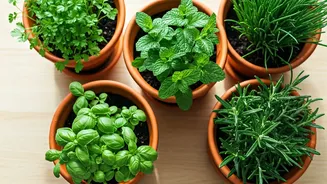
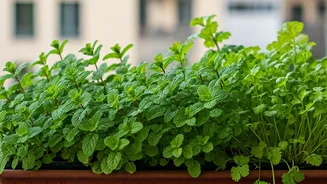
If you’re convinced you have a black thumb, start with mint. This notoriously vigorous herb is practically begging to be grown. Its refreshing, bright flavor is a game-changer for everything from iced tea and mojitos to fruit salads and lamb dishes. Mint
is so eager to spread that the biggest challenge is containing it; always plant it in its own pot unless you want it to take over your entire garden bed. It prefers consistently moist soil and can tolerate a bit of shade, making it forgiving for beginner gardeners. For the best flavor, harvest leaves from the top of the plant, which encourages it to grow bushier rather than tall and leggy.
Basil: The Scent of Summer
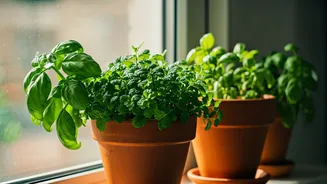
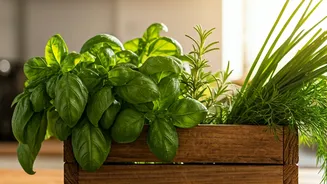
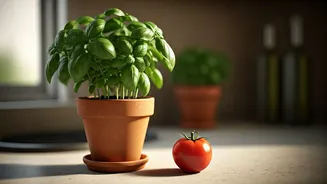
Nothing says summer like the sweet, peppery aroma of fresh basil. Essential for Italian cuisine—think pesto, caprese salad, and margherita pizza—this annual herb brings an instant touch of sunshine to your kitchen. Basil is a sun-worshipper, so give it at least six hours of direct sunlight per day. It also loves warmth and hates cold, wet soil. Water it at the base to prevent fungal issues on the leaves. The secret to a long-lasting basil plant is regular harvesting. Once the plant has a few sets of leaves, pinch off the top set right above a leaf node. This will force the plant to branch out, creating a fuller, more productive plant and delaying its natural impulse to flower, which can make the leaves taste bitter.
Rosemary: The Hardy Perennial
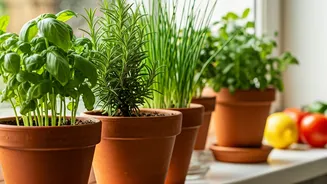
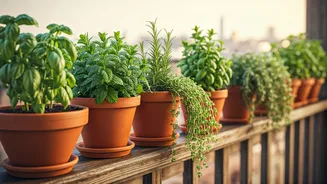
With its pine-like fragrance and robust, earthy flavor, rosemary is a culinary powerhouse. This woody perennial is perfect for roasting with potatoes and chicken, infusing oils, or even adding a savory twist to cocktails. Native to the Mediterranean, rosemary thrives in dry, sunny conditions, making it relatively drought-tolerant once established. Good drainage is non-negotiable, so use a sandy, well-draining soil mix, especially if you’re growing it in a pot. In colder U.S. climates (generally Zone 7 and below), it’s best to grow rosemary in a container that you can bring indoors for the winter. To harvest, simply snip off a few inches from the tips of the branches.
Chives: The Easiest Allium
For a subtle, fresh onion-and-garlic kick, look no further than chives. These slender, grass-like herbs are incredibly easy to grow and will come back reliably year after year in most climates. Their delicate flavor is perfect for sprinkling over baked potatoes, eggs, soups, and salads. Unlike other herbs, you harvest chives with scissors, snipping the leaves about an inch from the base. This encourages constant regrowth, giving you a steady supply. They grow well in pots or in the ground and aren’t picky about sunlight, thriving in full sun to part shade. A bonus: their pretty purple puffball flowers are edible and look beautiful scattered over a salad.
Parsley: The Kitchen Workhorse
Often relegated to a forgotten garnish, fresh parsley is a vibrant, versatile herb that deserves a starring role. Its clean, slightly peppery taste brightens and balances other flavors in sauces, soups, and marinades. There are two main types: flat-leaf (Italian) parsley, which has a more robust flavor preferred for cooking, and curly parsley, which is milder. Parsley enjoys rich, moist soil and can handle full sun to partial shade. To harvest, snip the outer stalks at the base of the plant. This allows the inner stalks to continue maturing, ensuring a long and productive season from a single plant.
Thyme: The Tiny Powerhouse
Don’t let its tiny leaves fool you; thyme packs a huge punch of warm, earthy flavor. It’s a key ingredient in everything from French stews to savory roasted vegetables and poultry rubs. Like rosemary, thyme is a Mediterranean native that loves full sun and well-draining, slightly dry soil. It’s an excellent choice for a low-maintenance container or as a fragrant ground cover. Different varieties offer subtle flavor differences, from the classic English thyme to the bright notes of lemon thyme. Regular trimming not only provides you with sprigs for the kitchen but also keeps the plant from becoming too woody and sparse.