



The New Stars of the Continent
The big news comes from the prestigious Asia's 50 Best Restaurants list, a barometer for culinary excellence across the continent. In its 2024 edition, India didn't just show up; it made a statement. Leading the charge was Mumbai’s Masque, which not only
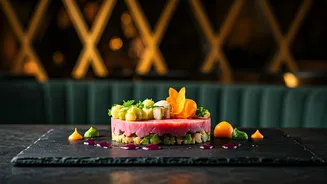
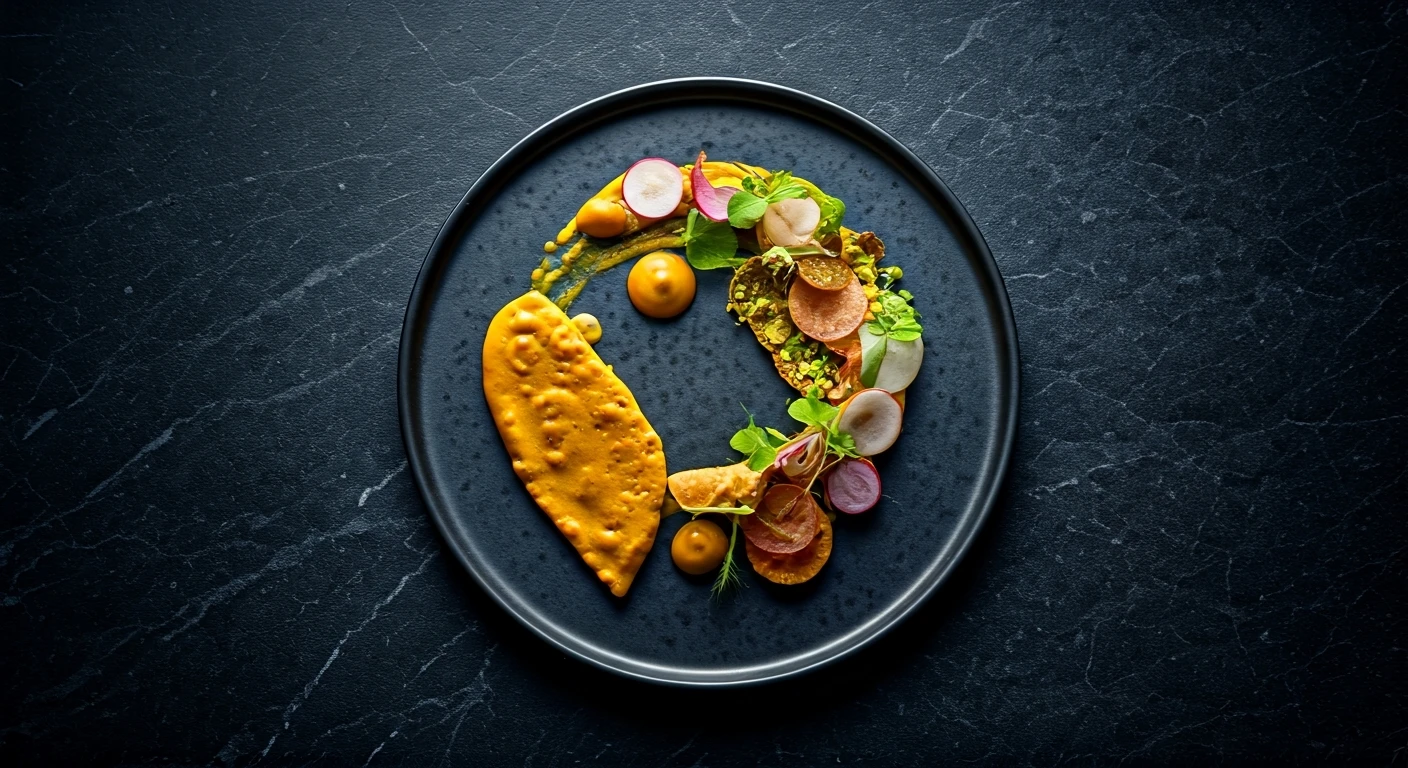
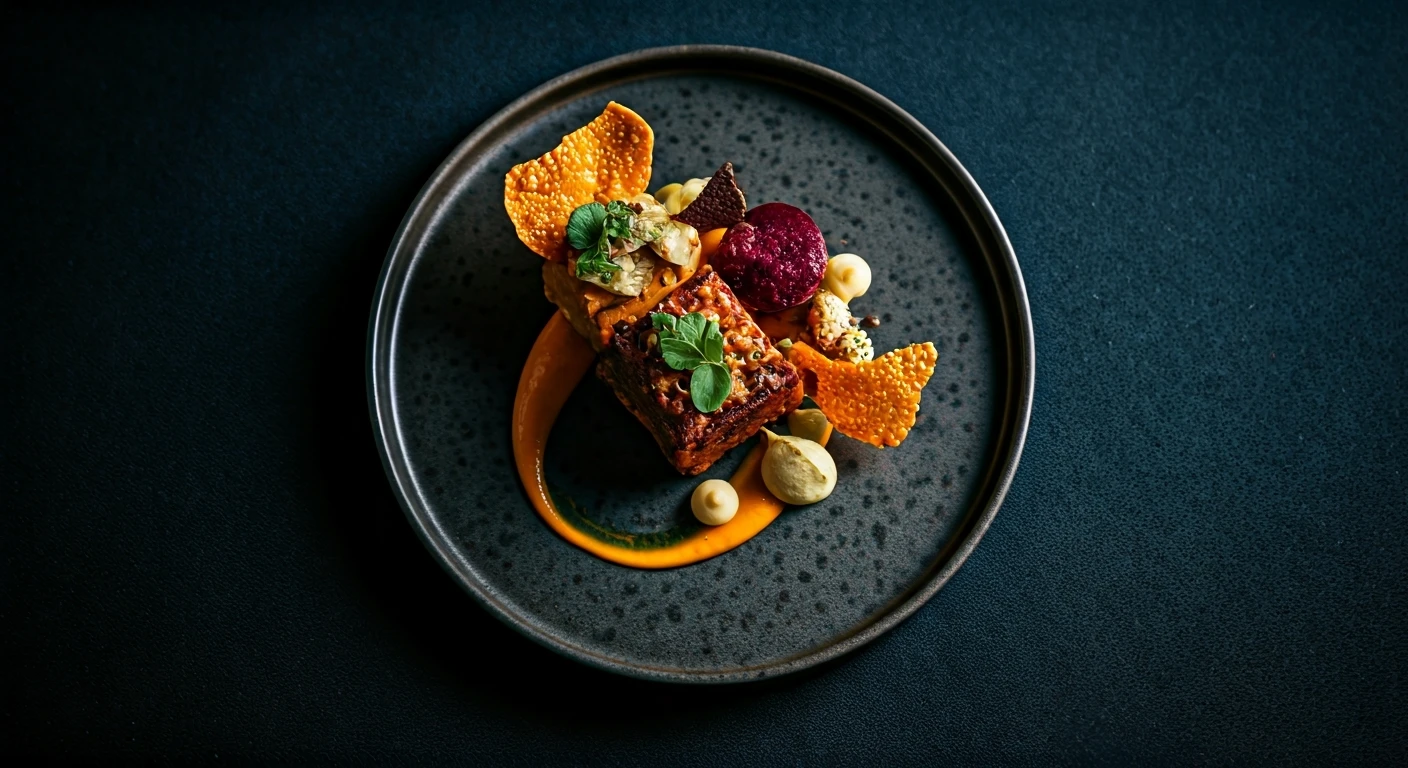
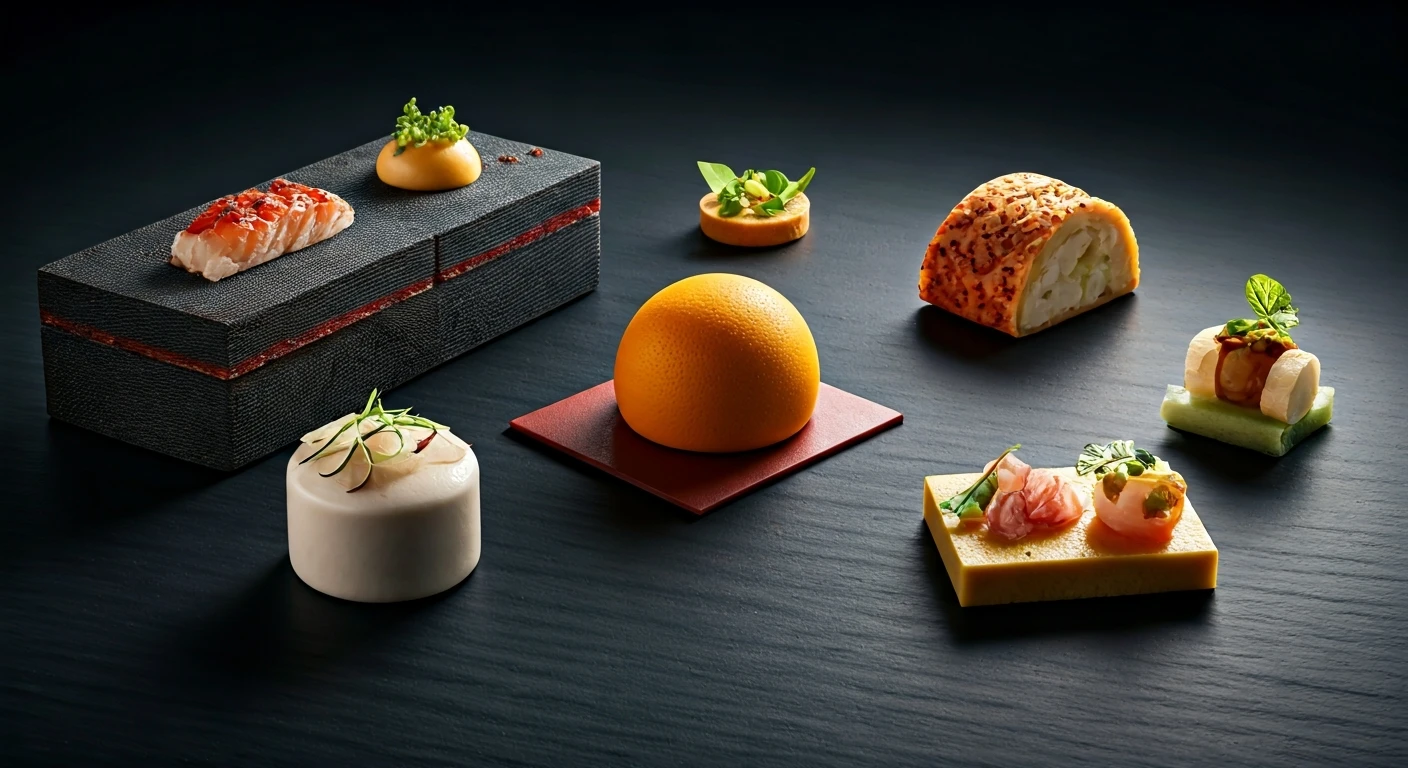
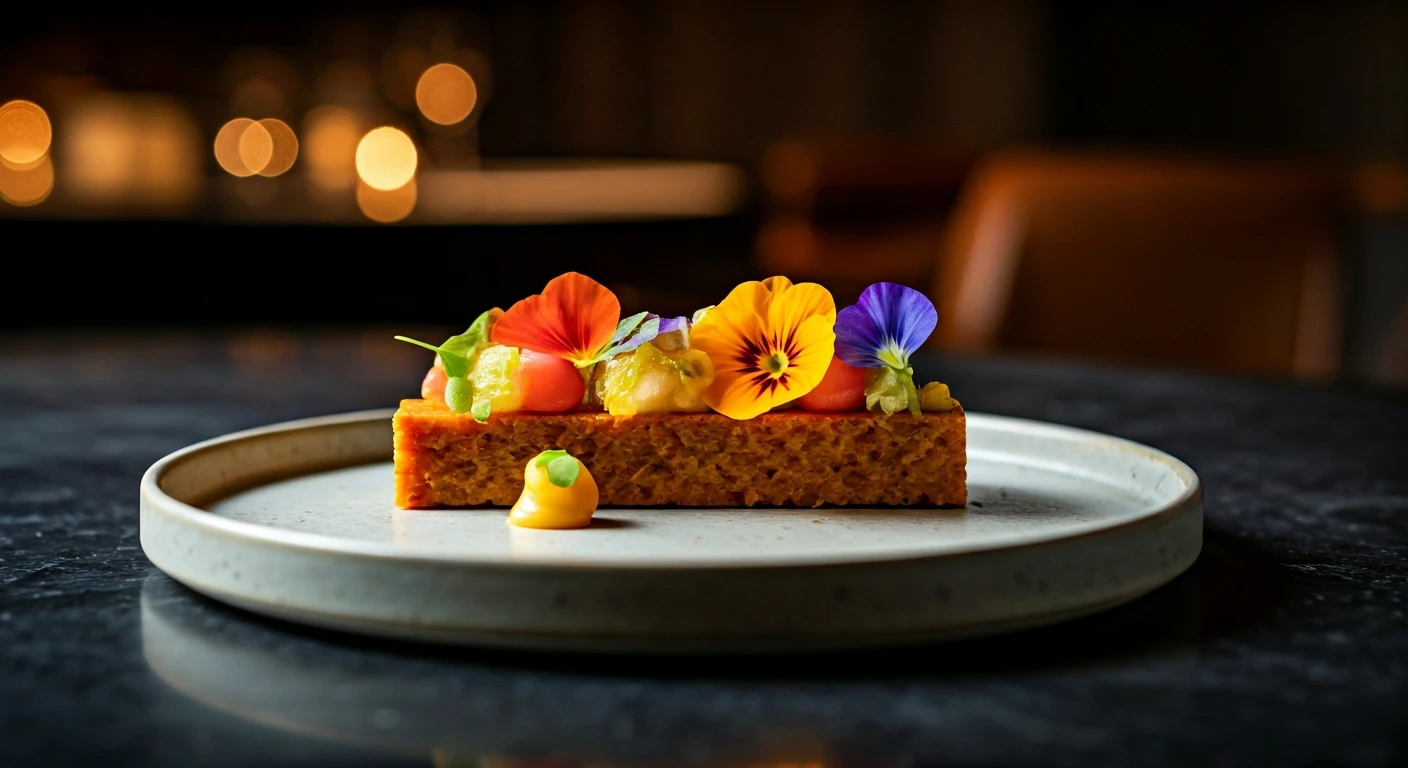
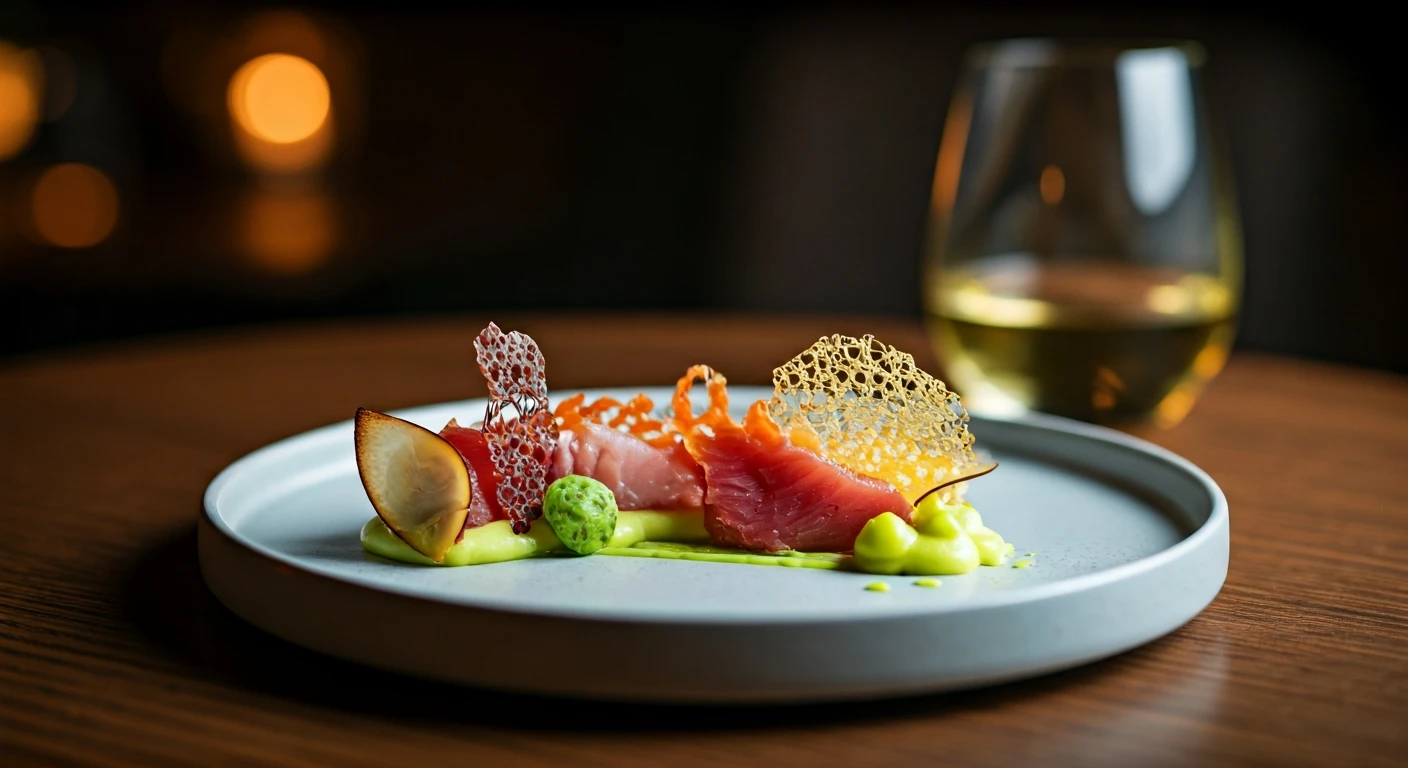
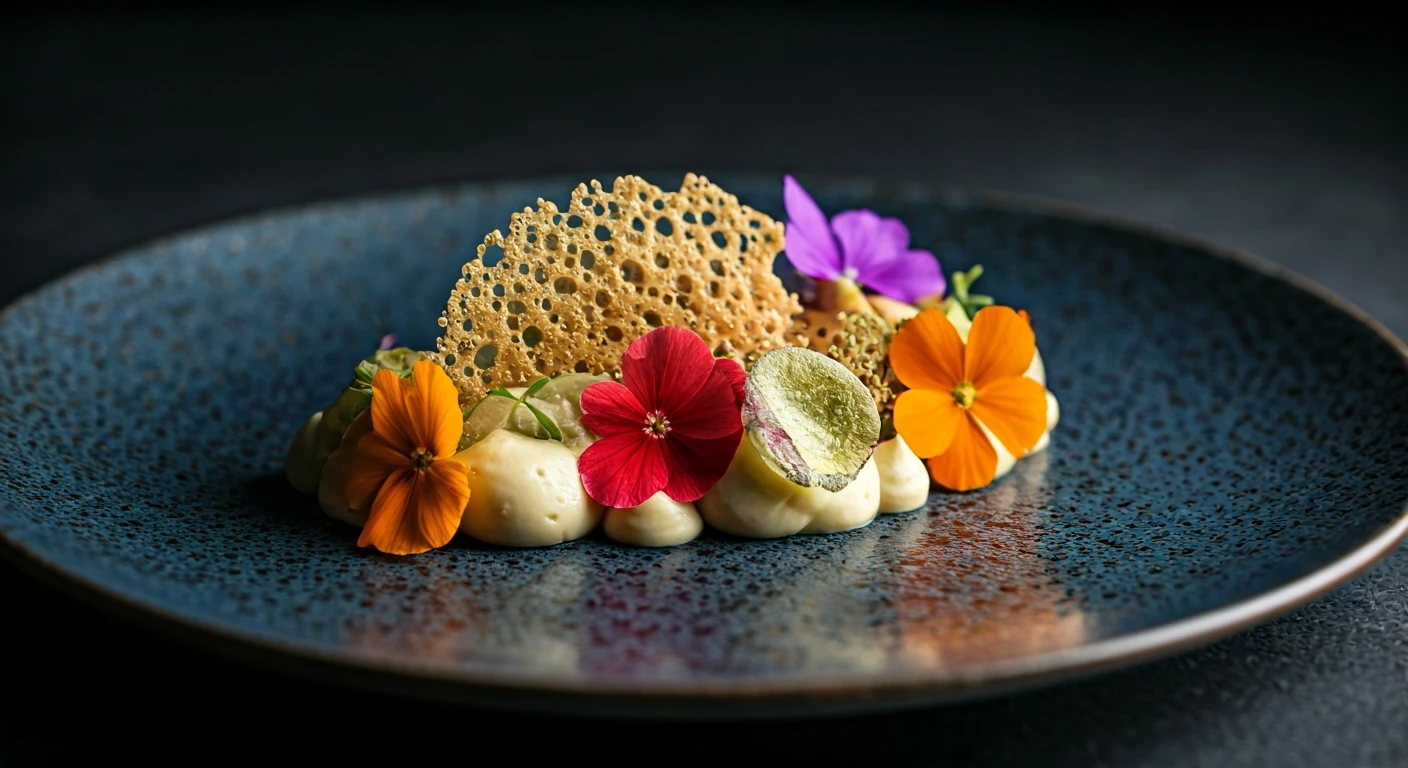
secured a spot in the top 25 but was also honored with the Sustainable Restaurant Award. Helmed by chef Varun Totlani, Masque champions a tasting menu focused on hyper-local, seasonal, and often-forgotten ingredients from across India, presenting them with avant-garde flair. Close behind was the perennially celebrated Indian Accent in New Delhi, a restaurant that has long been a trailblazer in modern Indian food. Its consistent presence on the list proves that this is no fleeting trend. These restaurants aren't serving the familiar butter chicken and naan of Western takeout menus; they are research labs for the future of Indian flavor.
Beyond the Buffet Menu
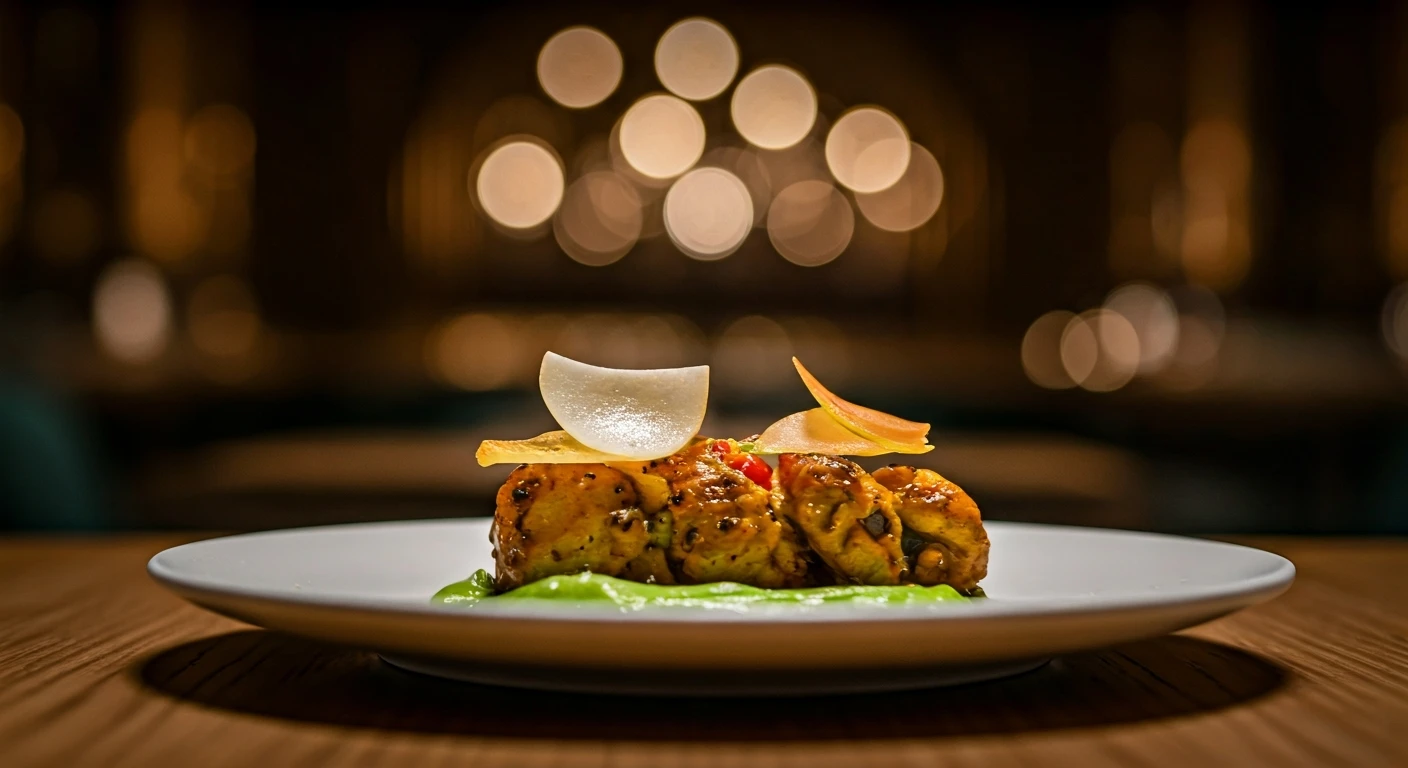
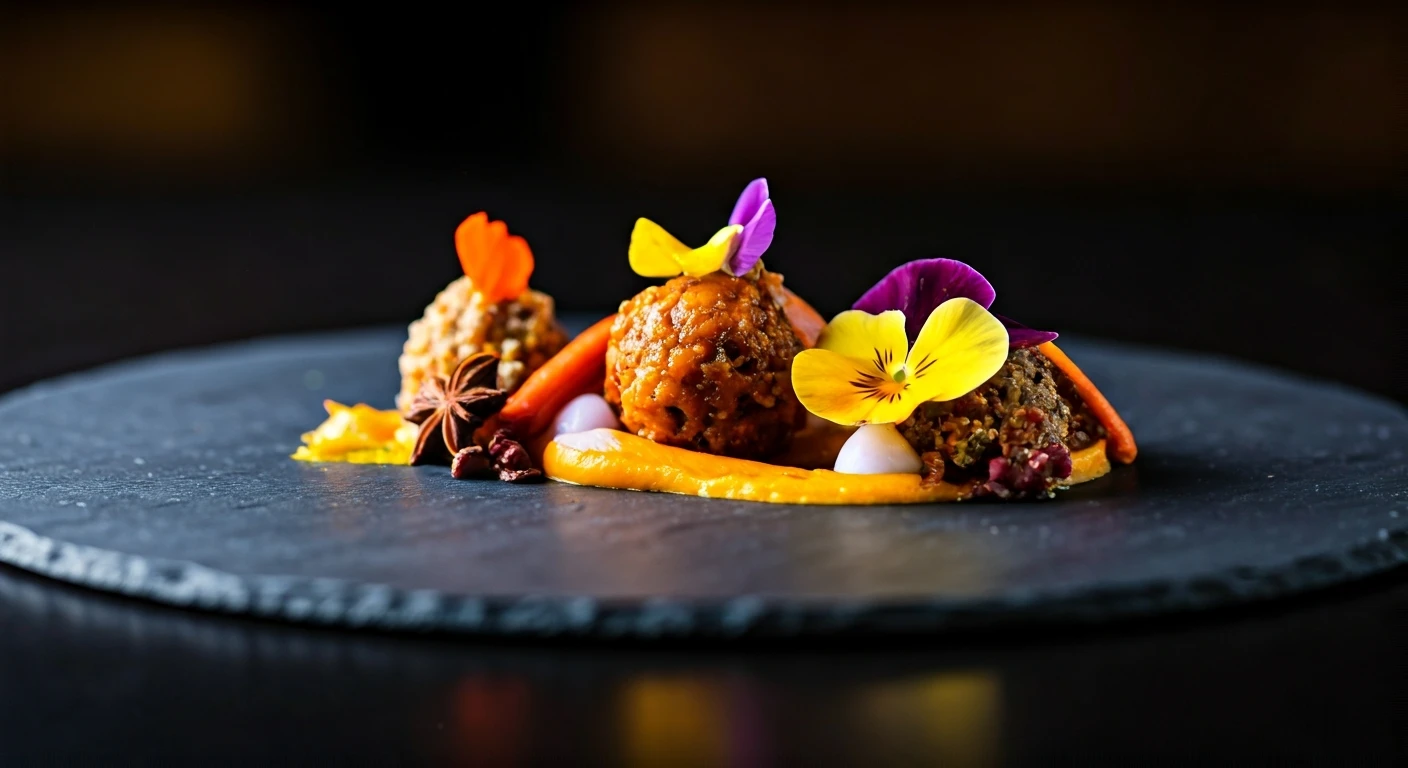
Forget everything you think you know. This movement is about deconstruction and re-imagination. It’s about chefs who treat a humble lentil with the same reverence a French chef gives a truffle. They are culinary historians, reviving ancient cooking techniques and rediscovering regional ingredients that were pushed aside by commercial agriculture. Think of it this way: this is India's 'New Nordic' moment, where chefs are turning inward to find inspiration. At a place like Masque, you might find a dish featuring sea buckthorn from Ladakh or fiddlehead ferns from the Himalayas. At Indian Accent, classic dishes are playfully inverted, challenging diners' expectations while delivering a knockout punch of flavor. It’s food that tells a story about India’s vast and diverse landscape.
A Recipe for Global Recognition
This culinary ascent isn't an accident. It's the result of a perfect storm of factors. A new generation of Indian chefs, many of whom have trained in top kitchens in Europe and the U.S., are returning home. They bring with them global techniques and a desire to apply that precision to the flavors of their childhood. Simultaneously, diners in India have become more adventurous, creating a domestic market eager for innovation. The global farm-to-table movement has also found fertile ground in India, encouraging a focus on ingredient quality and seasonality that is the backbone of any great cuisine. The supply chains are improving, allowing chefs to source pristine produce from remote corners of the country. This isn't about imitating the West; it's about using global knowledge to celebrate and elevate what is uniquely Indian.
The Ripple Effect on Your Plate
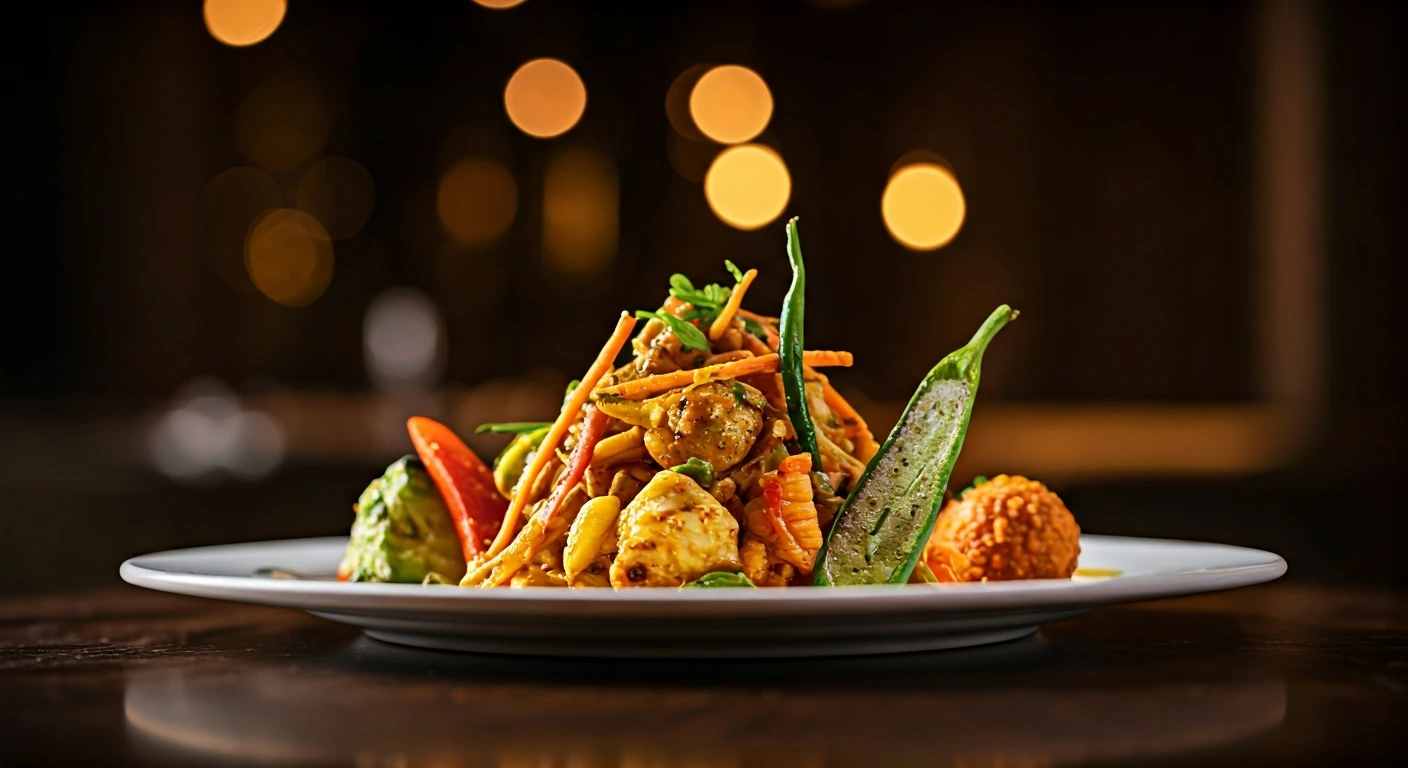
For American diners, this is more than just an interesting story from afar. The success of India’s top restaurants has a powerful ripple effect. It shatters the monolithic perception of “Indian food” and paves the way for more regional and diverse concepts to open in the United States. As chefs like Gaggan Anand (formerly of the #1 restaurant in Asia) become global superstars, it inspires a new generation of Indian-American chefs to be more ambitious and creative. We're already seeing this in cities like New York and San Francisco, with restaurants that focus on the specific cuisines of Goa, Kerala, or Bengal. This high-end recognition validates the complexity and sophistication of the cuisine, encouraging investors and diners alike to take it more seriously. Soon, ordering Indian food might mean choosing between a hyper-regional tasting menu or a creative small-plates concept, not just deciding how spicy to make your vindaloo.