



So, What Is the Rath Yatra?
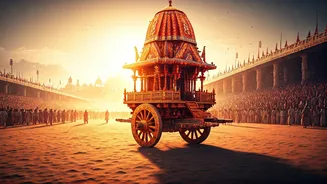
At its heart, the Rath Yatra is a massive annual procession celebrating the journey of three Hindu deities—Lord Jagannath, his brother Balabhadra, and his sister Subhadra—from their home temple to another temple about two miles away. Think of it as the divine
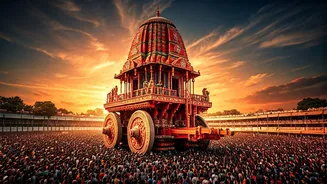
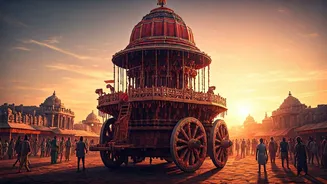
equivalent of a summer trip to a garden palace. But this is no simple jaunt. The deities travel in colossal, custom-built wooden chariots, or 'rathas,' which are pulled by hand by thousands of devotees. The festival draws millions of pilgrims to the city of Puri in the state of Odisha, making it one of the largest religious gatherings on Earth. It’s a spectacle of faith, devotion, and raw human power that is broadcast live across the country, turning a regional festival into a national cultural moment.
The Chariots: An Engineering Marvel
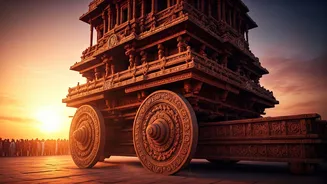
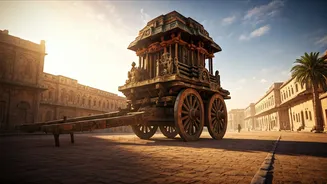
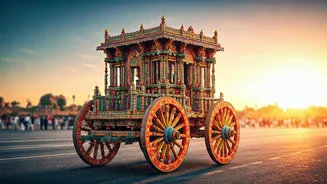
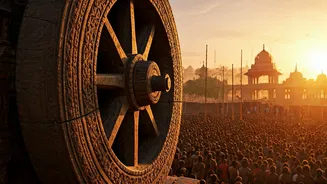
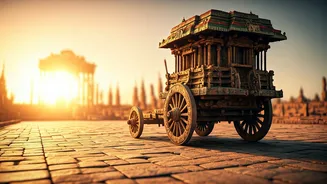
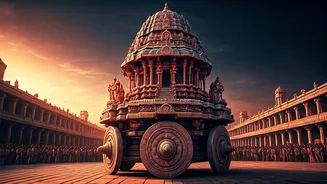
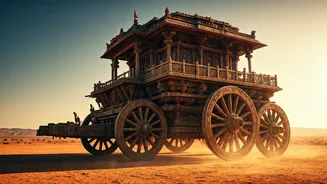
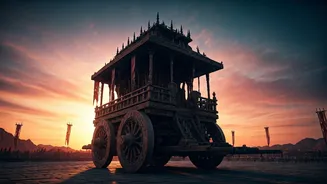
The “prep” in the headline is no exaggeration—it’s an epic undertaking. The construction of the three chariots is a months-long ritual governed by ancient traditions. These aren’t parade floats; they are towering wooden structures, standing around 45 feet tall, adorned with vibrant fabrics, and built without a single metal nail. A specific community of carpenters, who have passed down the skills for generations, is tasked with the construction. They use specific types of wood, felled and transported according to strict religious protocols. Each chariot has its own name, color scheme, and specific number of wheels. For instance, Lord Jagannath’s chariot, Nandighosa, has 16 wheels, each seven feet in diameter. The day the chariots are completed and consecrated is a major event in itself, marking the culmination of centuries-old craftsmanship and devotion.
Why the Nation Is Watching Closely
The sheer scale of the Rath Yatra makes it a logistical and security puzzle that fascinates and worries officials in equal measure. Managing crowds that can swell to over a million people in a single day is a monumental task. In recent years, this has become a national concern. The COVID-19 pandemic brought the festival under intense scrutiny, with India’s Supreme Court intervening to initially cancel and then severely restrict the event to protect public health. The court’s involvement highlighted the tension between religious freedom and public safety, a debate that played out on news channels across India. Now, in the post-pandemic era, questions of crowd management, sanitation, and security remain paramount, ensuring the festival's preparations are followed with bated breath by administrators and the public alike.
Faith, Politics, and Modernity Collide
Beyond logistics, the festival has become a flashpoint for modern Indian debates. The area around the Jagannath Temple has recently been the subject of a massive, and controversial, redevelopment project. The government-led initiative aimed to create a 'heritage corridor' to beautify the area and improve amenities for pilgrims. However, it sparked a nationwide outcry from historians and conservationists who feared that digging and construction so close to the ancient temple could damage its structural integrity. This clash between modernization, religious sentiment, and heritage preservation has added a layer of political drama to the festival's backdrop. As a result, the annual event is no longer just about faith; it's also a reflection of India's struggle to balance its ancient past with its ambitious future.