



From Afterthought to Main Event
Remember when post-workout recovery meant a quick stretch and a bottle of water? Those days are over. We’ve entered the era of proactive, intentional, and often tech-heavy recovery. This isn't just a trend for professional athletes anymore; it's gone
completely mainstream. Your neighbor is using a massage gun while watching TV, your coworker is evangelizing their new ice bath routine, and social media feeds are flooded with people in futuristic-looking compression boots. This isn't just about feeling good; it's a cultural shift. In a world saturated with hustle culture and burnout, recovery has been reframed as a non-negotiable pillar of wellness. It's the body’s answer to quiet quitting—a deliberate act of restoration in a world that constantly demands more.
The Massage Gun Boom
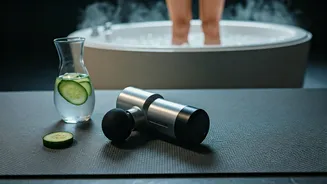
If there’s one device that symbolizes the recovery boom, it’s the percussive therapy gun. Brands like Theragun and Hyperice have transformed these once niche physical therapy tools into must-have consumer gadgets. Using rapid, concentrated pulses, these devices aim to work deep into muscle tissue, purportedly increasing blood flow, decreasing lactic acid buildup, and relieving soreness. The appeal is obvious: it’s like having a personal deep-tissue masseuse on call 24/7. While sports scientists note that the evidence for long-term benefits is still developing, users swear by them for immediate relief from tightness and post-exercise stiffness. They've become the go-to tool for targeting specific knots and sore spots after a tough workout or a long day hunched over a desk.
The Shock of the Cold Plunge
Taking an ice bath used to be the exclusive domain of elite athletes nursing an injury. Now, cold plunges are a full-blown wellness phenomenon, championed by everyone from tech CEOs to lifestyle influencers. The theory is that submerging your body in frigid water (typically 50-59°F) causes blood vessels to constrict, which can help reduce inflammation and swelling. Upon exiting, the vessels dilate, flushing the muscles with fresh, oxygenated blood. But for many devotees, the benefits are as much mental as they are physical. Enduring the initial shock requires focus and controlled breathing, which many describe as a meditative experience that builds mental resilience and provides a powerful endorphin rush afterward. It's a jolt to the system, but one that followers claim leaves them feeling energized, focused, and accomplished.
Compression Tech Gets a Squeeze In
Looking like something straight out of a sci-fi movie, pneumatic compression boots are another high-tech recovery tool making its way into living rooms. You slip your legs into these large sleeves, which then inflate and deflate in a rhythmic pattern, a process called intermittent compression. The sensation is like a pulsing, full-leg massage. The goal is to enhance circulation and help push out metabolic waste that can accumulate after intense exercise. While they’re a significant investment, users love the passive nature of the treatment; you can zip up, lean back, and let the technology do the work while you read a book or catch up on emails. It's become a popular way to combat leg fatigue and swelling for runners, cyclists, and anyone who spends a lot of time on their feet.
Don't Forget the Low-Tech Basics
While gadgets and extreme temperatures grab the headlines, the foundation of good recovery remains accessible and affordable. Active recovery—think light-intensity movement like walking, swimming, or cycling on a rest day—is crucial for promoting blood flow and aiding muscle repair without adding more stress. And the humble foam roller, once a mysterious torture device in the corner of the gym, is now a household staple for self-myofascial release. By rolling over tight muscles, you can help break up adhesions and improve flexibility. Combined with consistent stretching and, most importantly, adequate sleep, these low-tech methods form the bedrock of any sustainable recovery plan. The new tools are exciting, but they work best as supplements to, not replacements for, these time-tested fundamentals.