




From Afterthought to Main Event
Remember when the best you could hope for from a hotel was a clean room and a decent continental breakfast? That era is officially over. In the age of chronic burnout and the booming wellness industry, hotels have discovered a new frontier for luxury
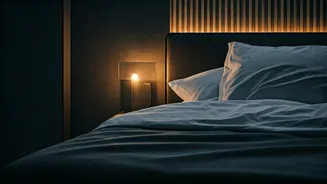
and differentiation: sleep. What was once a basic provision is now a curated, high-tech, and deeply personal experience. This shift isn't just about selling more rooms; it's about tapping into a profound cultural need. We're more stressed, more connected, and more sleep-deprived than ever. In response, the hospitality industry is moving beyond simply offering a place to crash and is instead positioning itself as a sanctuary for genuine restoration. The humble hotel room is being reimagined as a high-performance sleep chamber, and a good night’s rest is the most coveted amenity on the menu.
Engineering the Perfect Slumber
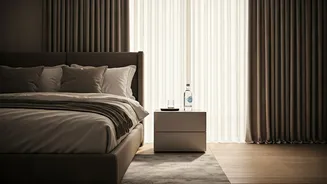
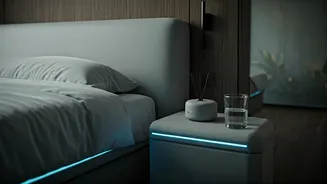
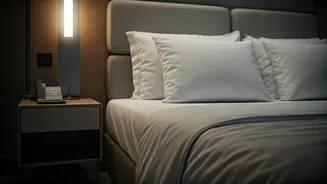
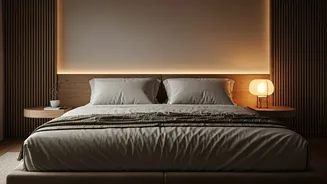
This new focus on rest goes far beyond mints on pillows. It starts with the 'hardware' of the room itself. Westin Hotels arguably kicked off this trend two decades ago with its iconic Heavenly Bed, proving travelers would pay a premium for a superior mattress. Today, the arms race has intensified. We're talking total-blackout curtains, acoustic-dampening wall panels that eliminate hallway chatter, and advanced air filtration systems. The mattress itself has become a piece of technology. High-end hotels are installing smart beds, like those from Bryte, that use AI to dynamically adjust firmness throughout the night in response to your body's movements and sleep cycles. Some rooms even feature circadian rhythm lighting that mimics the natural progression of the sun to help reset your internal clock, making it easier to fall asleep and wake up feeling refreshed, not jarred by an alarm.
The 'Software' of Sleep
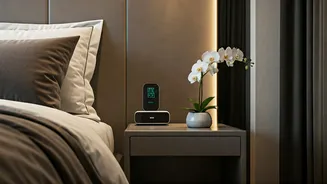
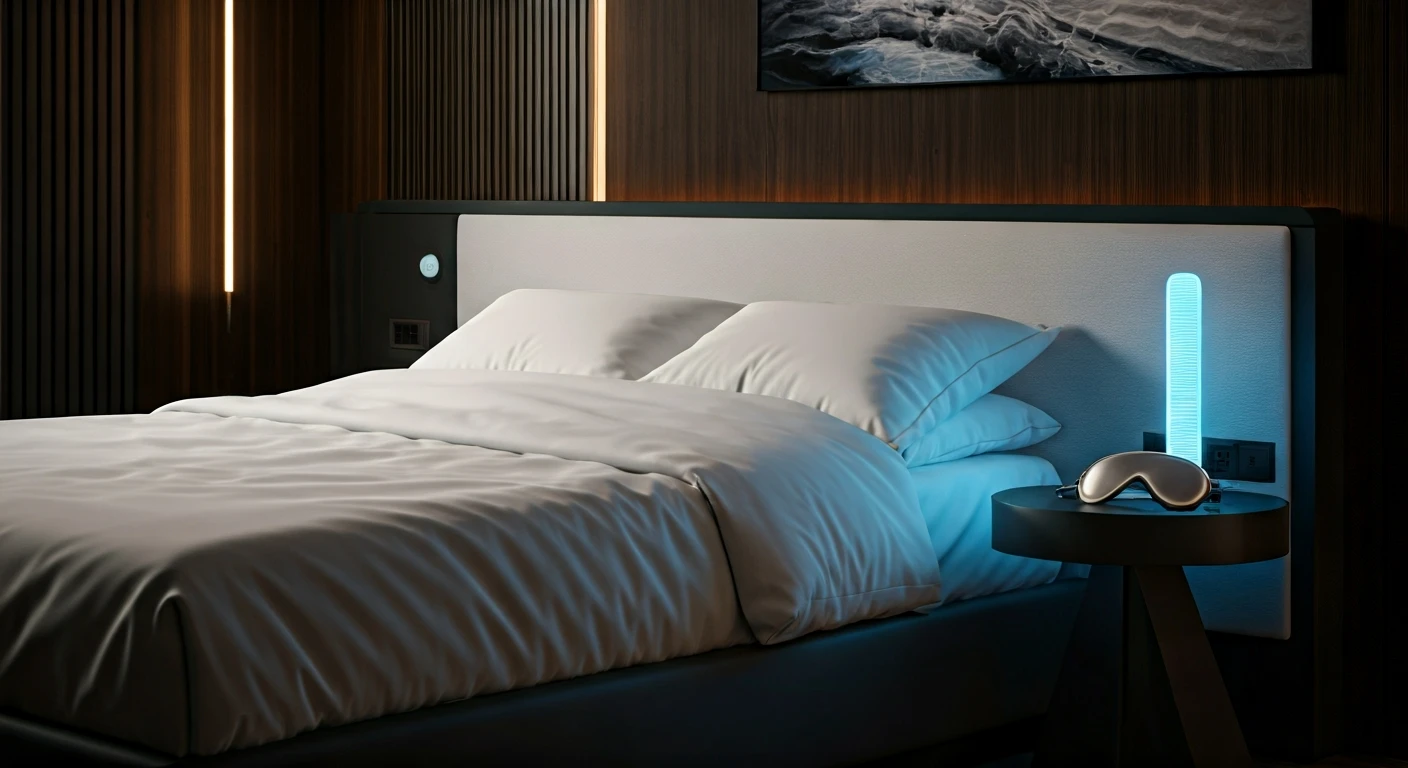
If technology provides the foundation, a suite of 'software' options provides the personalized touch. Upon arrival, you might be handed a 'pillow menu' with options ranging from hypoallergenic foam to buckwheat hulls, catering to every type of sleeper. In the room, you’ll likely find an aromatherapy diffuser with a curated selection of calming essential oils like lavender and chamomile. Instead of a minibar stocked with sugary sodas, you might find a 'sleep kit' with herbal teas, magnesium-infused snacks, and silk eye masks. Many hotels now offer weighted blankets upon request to help ease anxiety. In-room entertainment systems are also being co-opted for wellness, featuring guided meditations from apps like Calm or Headspace, ambient soundscapes, and even video tutorials on bedtime yoga stretches you can do right on the floor.
The Rise of the Sleep Concierge
At the highest end of the spectrum, hotels are employing human experts to guide your journey to dreamland. Equinox Hotels, an offshoot of the luxury fitness brand, bills itself as a 'temple to total regeneration.' Its rooms are optimized 'sleep chambers'—dark, quiet, and cool. But the experience goes further, with on-staff 'sleep coaches' who can help you optimize your routine. Others, like the Park Hyatt New York, have partnered with sleep specialists to create dedicated slumber-focused suites. These packages might include consultations with experts, personalized sleep-inducing meals from room service, and even access to advanced recovery tools like cryotherapy or infrared saunas. It transforms a simple hotel stay into a comprehensive 'sleep retreat,' where the goal isn't just sightseeing, but returning home fundamentally more rested than when you left.