
Welcome to the Functional Future
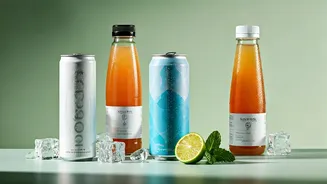
The beverage cooler, once a simple choice between soda, juice, and water, has become a laboratory for self-improvement. Brands with ethereal names like Kin Euphorics, Recess, and Olipop aren't just selling a drink; they're selling an outcome. Feeling
stressed? There’s a bubbly water infused with adaptogens for that. Can’t focus on your big project? Try a canned iced tea boosted with nootropics. Looking for a cocktail-hour buzz without the booze? There are entire lines of alcohol-free spirits designed to create a sense of bliss. This is the world of functional beverages—a category exploding in popularity by promising to deliver specific mental and physical benefits. They sit at the crossroads of the wellness boom, the “sober curious” movement, and our collective burnout. These drinks offer a tantalizingly simple proposition: instead of changing your lifestyle, just change what you sip.
Decoding the Buzzwords
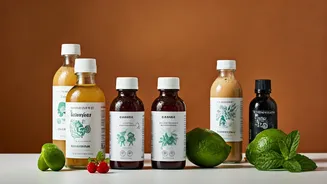
So, what’s actually in these cans that supposedly makes them so powerful? The labels are often a glossary of trendy wellness ingredients. Let’s break down the main players. First, you have **adaptogens**. These are herbs and mushrooms like ashwagandha, rhodiola, and reishi, which proponents claim help the body “adapt” to physical and mental stress. They have roots in traditional Chinese and Ayurvedic medicine, and the idea is that they help regulate your body’s stress response system. Next up are **nootropics**, often called “smart drugs” or cognitive enhancers. This broad category includes everything from caffeine and L-theanine (an amino acid found in green tea known for promoting “calm alertness”) to more exotic ingredients like lion’s mane mushroom and bacopa monnieri, which are marketed to improve memory, focus, and creativity. Then there’s the ever-present **CBD**, the non-psychoactive compound from the cannabis plant, which has become a go-to ingredient for products promising relaxation and anxiety relief. Put them all together, and you have a beverage marketed not on its flavor, but on its function.
A Cure for Modern Anxieties
The rise of functional beverages isn't happening in a vacuum. It’s a direct response to a culture grappling with unprecedented levels of stress, anxiety, and digital burnout. For many, especially millennials and Gen Z, the desire for a quick fix is powerful. We optimize our workouts, our work, and our sleep—why not our hydration? This trend also dovetails perfectly with the decline in alcohol consumption among younger Americans. The “sober curious” movement has created a massive demand for sophisticated, adult-oriented drinks that aren't just sugary mocktails. Functional beverages provide an alternative ritual for the end of the day or a social gathering, offering a complex flavor profile and the promise of a mood shift without the hangover. They make not drinking feel like an active choice for wellness, rather than a passive act of abstention. In essence, these drinks offer a way to “take the edge off” that aligns with a health-conscious identity.
But Do They Actually Work?
Here's the million-dollar question. The answer is... complicated. While some ingredients, like caffeine and L-theanine, have a solid body of research supporting their effects on alertness and focus, many others exist in a gray area. Studies on adaptogens and other nootropics are often small, short-term, or conducted on animals. A key issue is dosage. A clinical study might find a benefit from 500mg of a specific herb, but a canned beverage might only contain a fraction of that amount, often as part of a “proprietary blend” that doesn’t disclose specific quantities. Nutrition experts often caution that while these drinks are generally safe for most people, they are not magic bullets. The benefits felt could be attributed to the placebo effect—if you spend $5 on a can that promises to calm you down, you're psychologically primed to feel calmer after drinking it. That’s not necessarily a bad thing, but it’s not the same as a proven physiological effect. These beverages can be a fun, and often tasty, part of a wellness routine, but they are no substitute for the real, if less glamorous, pillars of health: a balanced diet, regular exercise, and adequate sleep.