


The Undeniable Pull of a Perfect Pakora
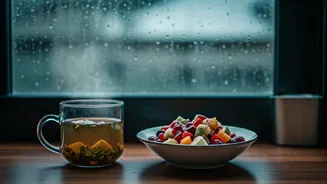
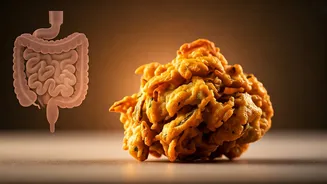
For millions, especially in the South Asian diaspora, pakoras aren't just food; they're a feeling. They are the crunchy, savory centerpiece of monsoon evenings, impromptu family gatherings, and that cozy 'chai time' ritual. Whether it's the classic potato
and onion or more inventive spinach and paneer versions, these chickpea flour-battered fritters represent comfort, nostalgia, and community. The sound of batter sizzling in hot oil is a prelude to happiness. This deep-seated cultural connection is why the modern discourse around gut health feels like a direct challenge to a cherished way of life. It’s not just about a snack; it's about an experience we don't want to lose.
So, What's the Gut's Problem?
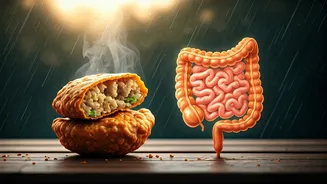
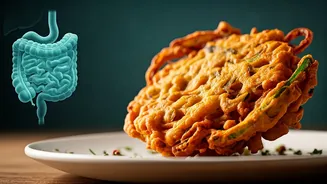
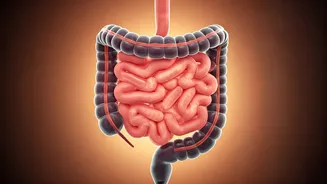
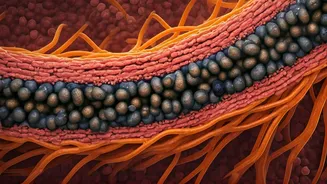
Let's be direct: the issue isn't the pakora itself, but the 'deep-fried' part of its identity. When foods are submerged in extremely hot oil, a few things happen that can upset your digestive system. First, the high heat can create compounds that are tough on the gut lining. Second, the heavy dose of fat can slow digestion, leading to that sluggish, bloated feeling many of us are all too familiar with. For your gut microbiome—the trillions of bacteria living in your digestive tract—a sudden onslaught of fried food can be disruptive. It can feed the 'bad' bacteria and temporarily throw the delicate ecosystem out of balance, leading to inflammation and discomfort. When done repeatedly, it's a recipe for chronic gut issues.
The Hidden Heroes in the Batter
Before you banish pakoras forever, let's look inside the batter. The primary ingredient is usually besan, or chickpea flour. This is good news. Chickpea flour is gluten-free, high in protein, and packed with fiber—a nutrient your good gut bacteria absolutely love. Furthermore, traditional pakora recipes are loaded with spices that are digestive aids. Ajwain (carom seeds) is famously used to combat gas and indigestion. Turmeric is a powerful anti-inflammatory. Ginger and garlic, often found in the mix, have their own gut-supportive properties. The foundation of a pakora is surprisingly wholesome; it's the cooking method that has become the villain of the story.
Make Peace: Air-Fry or Bake Them
Here is the single biggest game-changer for modernizing your pakora habit: change how you cook them. The air fryer is a pakora's best friend in the 21st century. By using circulating hot air and just a light spray of oil, you can achieve a remarkable level of crispiness without the grease. The result is a lighter, less caloric, and infinitely more gut-friendly fritter. Simply prepare your batter as usual, drop spoonfuls onto a lightly oiled air fryer basket, and cook until golden and crisp. No air fryer? No problem. A hot oven can do the trick, too. Spread the battered veggies on a baking sheet lined with parchment paper and bake at around 400°F, flipping halfway through. You get the flavor and the nostalgia, minus the digestive regret.
If You Must Fry, Fry Smarter
Okay, sometimes only the real deal will do. If you're committed to the deep-fry, you can still make it a better experience for your gut. First, choose your oil wisely. Opt for one with a high smoke point, like avocado oil or ghee, which are more stable at high temperatures. Second, and this is non-negotiable: use fresh oil for every batch. Reheating oil not only degrades its quality but also increases the formation of harmful compounds. Third, manage your temperature. Oil that's too cool results in greasy, oil-logged pakoras. Oil that's too hot can burn the outside before the inside is cooked. Using a thermometer to keep the oil around 350-375°F is a pro move for a cleaner fry.
Don't Forget the Supporting Cast
What you serve with your pakoras matters. Instead of a high-sugar tamarind chutney, try pairing them with a cooling, probiotic-rich yogurt dip (raita). A simple mix of plain yogurt, grated cucumber, mint, and a pinch of cumin can actively help your digestion and balance the heat of the fritters. Also, don't let the pakoras be the entire meal. Treat them as a small part of a larger, more balanced plate. Serve a small portion alongside a hearty lentil soup or a large, fresh salad. This adds fiber and nutrients, helping your system process the indulgence more gracefully.