


The Tyranny of the Supermarket Mango
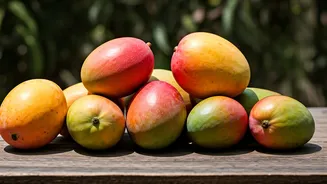
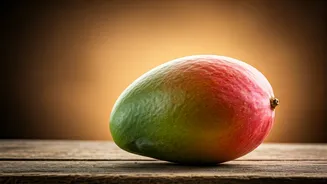
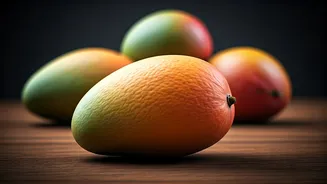
For most of America, the mango experience is a predictable one. You grab a reddish-green, perfectly ovoid fruit from a towering pyramid at the grocery store. You take it home, wait for it to soften, and slice into it, hoping for tropical bliss. What you
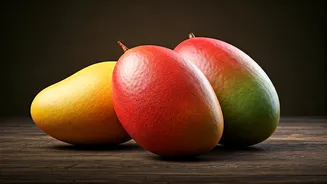
often get is… fine. It’s sweetish, a bit fibrous, and vaguely mango-esque. This is likely the Tommy Atkins, a variety that dominates the U.S. market not because of its sublime flavor, but because it’s a logistical champion. It’s durable, disease-resistant, and travels thousands of miles from Latin America without turning to mush. The Tommy Atkins was bred for the supply chain, not the palate. It’s the mango equivalent of a pop song engineered for radio play—inoffensive, ubiquitous, and ultimately, forgettable. But for a growing number of fruit fanatics, “fine” is no longer good enough.
Welcome to Florida, the Epicenter of Mango Mania
To find the heart of America’s mango counter-culture, you have to go to South Florida. Here, the mango isn’t just a fruit; it’s a currency, a status symbol, and the source of intense neighborhood pride. From May through August, the air is thick with the scent of ripening fruit and the buzz of a subculture that’s going mainstream. This isn’t about the imported Tommy. This is about the Kent, with its creamy, fiber-free flesh and rich, sweet flavor. It’s about the Keitt, a massive green-skinned giant that ripens late in the season. It’s about dozens of other “condo mangoes” and backyard varietals with names like a royal lineage: Glenn, Valencia Pride, Bailey's Marvel, and the legendary Carrie, known for its complex, pineapple-and-peach flavor profile. Neighbors trade prized specimens over fences, and online forums light up with debates about which variety reigns supreme. Institutions like the Fairchild Tropical Botanic Garden in Coral Gables act as the Vatican of this religion, preserving hundreds of varieties and hosting an annual mango festival that draws pilgrims from across the state.
More Than a Fruit, It's an Identity
What’s fueling this seasonal fervor? It’s not just a foodie trend; it’s a powerful expression of cultural identity. For the diverse diaspora communities in Florida, California, and other warm pockets of the country, a specific type of mango is a direct link to home. A Haitian-American family might treasure the fragrant Madame Francis. A family with South Asian roots might scour specialty markets for the honey-sweet Alphonso or Kesar, sometimes paying a premium for a box flown in from India. The small, yellow Ataulfo mango—marketed as the Champagne or Honey mango—became a sensation in the U.S. in part because its smooth, buttery texture resonated so deeply with shoppers of Mexican and Filipino heritage. This isn't just about taste; it’s about memory. It’s the flavor of a childhood summer, of a grandparent’s garden, of a place you may not have seen in years. Sharing a box of the “right” mangoes is an act of love and a declaration of heritage.
The Pride Goes Public
In the past, this was a hyper-local affair, a secret handshake among fruit lovers. But now, the pride is getting loud. Social media is awash with photos of backyard hauls and unboxing videos of specialty mango shipments. Farmers' markets in places like San Diego and Miami are becoming battlegrounds for the best local fruit. Small-scale growers are finding a ravenous audience online, shipping curated boxes of rare and wonderful mangoes to customers who have never tasted anything beyond the supermarket standard. This isn't just about bragging rights. It’s a delicious form of resistance against agricultural monoculture. By celebrating these diverse, flavorful, and sometimes finicky fruits, consumers and growers are preserving agricultural biodiversity and building a food system based on flavor and place, not just shelf life.