

The New American Menu
For decades, the American food landscape was predictable. You went to New Orleans for gumbo, Buffalo for wings, and Philadelphia for a proper cheesesteak. These dishes were fiercely local, a source of civic pride inextricably tied to place. But in the last
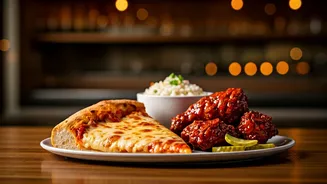
decade, something shifted. The walls separating these culinary regions have become porous. Now, you can find a respectable Texas-style brisket in Brooklyn, a cheesy Detroit-style pizza in Los Angeles, and a fiery Nashville hot chicken sandwich almost anywhere. We are witnessing the nationalization of regional American cuisine. This isn't about bland, corporate homogenization. It’s the opposite: a celebration of specificity, where once-local secrets become nationally understood references. Knowing the difference between a Carolina and a Kansas City barbecue sauce, or why the cheese goes on the bottom of a Detroit pizza, has become a form of cultural fluency.
The Social Media Effect
So what’s driving this shift? A perfect storm of technology and culture. Social media, particularly Instagram and TikTok, has transformed food into a visual spectacle. A dish no longer needs a rave review in a major newspaper to go viral; it just needs to be photogenic. Think of the cheese pull from a deep-dish pizza or the dramatic consommé dip of a birria taco. These are moments made for the screen, capable of creating nationwide demand overnight. Food-focused media has also decentralized. Instead of a few gatekeeping critics, an army of food bloggers, YouTubers, and local influencers now sets the agenda. They champion their local favorites with an authenticity that resonates, and their digital bullhorns can turn a neighborhood gem into a national destination. Add to this the logistical magic of services like Goldbelly, which can ship a Maine lobster roll or a Chicago Italian beef sandwich to your door in 24 hours, and geography becomes almost irrelevant.
Case Study: Nashville Hot Chicken
If there’s a poster child for this phenomenon, it’s Nashville hot chicken. For most of its history, this cayenne-loaded, lard-fried poultry was an insider’s secret in Nashville’s Black communities, most famously at Prince's Hot Chicken Shack. Its journey to national stardom began slowly, with write-ups in food magazines and features on travel shows. But the real explosion came when a new generation of chefs, like those at Hattie B's, created a slightly more accessible, line-out-the-door experience that was perfect for Instagram. The distinctive crimson-hued chicken became an icon. Soon, hot chicken spots were popping up from Seattle to Miami. The final step in its national coronation came when corporate giants like KFC added it to their menus, cementing “hot chicken” as a flavor profile every American could recognize, even if they’d never set foot in Tennessee.
Speaking the Language of Food
This new landscape creates a fascinating dynamic. On one hand, it’s a powerful form of cultural exchange. A diner in Idaho can experience a taste of Detroit’s industrial heritage through a slice of its signature square pizza, with its crispy, caramelized cheese crust that mimics the automotive parts pans it was originally baked in. These foods carry stories, and their national spread disseminates those narratives far and wide. On the other hand, it sparks endless debate about authenticity. Is the hot chicken from a chain in California “real” hot chicken? Purists will argue no, but the very existence of the argument proves the point: we are all increasingly speaking the same culinary language. The reference points—Prince’s, Hattie B’s, the proper level of heat—are becoming common knowledge. Your ability to participate in that conversation is a new kind of social currency.