





The Hotel Becomes the Main Event
The old travel playbook treated a hotel as a utility—a place to sleep and store your luggage between sightseeing adventures. The new model, often called 'hotel-first' or 'destination hotel' travel, elevates the accommodation to the primary attraction.
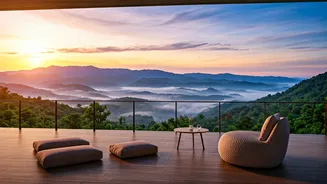
Instead of asking, 'Where should we go?,' travelers are now asking, 'Where should we stay?' The trip is then built around that answer. This shift is fueled by the rise of unique, experience-rich properties. Think of a remote wellness retreat with specific programs, a stunningly designed boutique hotel that’s an architectural wonder, or a resort with a world-class restaurant you can’t book otherwise. In this scenario, the hotel isn't just part of the trip; it *is* the trip. The location becomes secondary to the experience offered within the hotel's walls.
Flexibility Is Your New Superpower
Committing to a hotel-first strategy requires a fundamental change in mindset, with flexibility at its core. When you prioritize a specific, often popular, property, you can’t be rigid about your destination or your dates. If your dream hotel is a secluded cabin in the Catskills or a trendy desert oasis near Joshua Tree, your trip is going to be centered there, not in a major city. You have to be open to discovering the charms of a region you might have otherwise overlooked. This approach also demands flexibility with timing. Highly sought-after hotels can be booked months, or even a year, in advance. The new rule is to secure your stay first, whenever it’s available, and let your work and personal schedule adapt accordingly. It’s a reversal of the traditional 'request PTO, then book' process.
Flights and Activities Come Last
Once you've locked in your coveted hotel stay, everything else falls into place around it. This is perhaps the biggest 'rule change' of all. Instead of scrambling for a decent hotel after finding a cheap flight, you now work backward. With your hotel dates confirmed, you can set up flight alerts on Google Flights or Hopper and wait for a good deal to pop up. Since you're committed to the dates, you can be patient. This method often reduces the stress of last-minute hotel searches in sold-out destinations. Planning activities also becomes a more organic process. You can research local hiking trails, nearby small towns, or regional restaurants at a leisurely pace, knowing the anchor of your trip is already secured. This transforms planning from a frantic puzzle into a more enjoyable discovery phase.
Embrace the 'Trip Stack' Strategy
For travelers who want to take hotel-first planning to the next level, there's the 'trip stack.' This savvy technique involves booking a desirable, fully refundable hotel reservation far in advance—even before you're 100% certain about the trip. This acts as a placeholder, guaranteeing you have a great option secured. As your travel dates get closer, you can continue to monitor for other hotel deals, new openings, or even better availability at your first-choice property. If a better option arises, you can simply cancel your initial booking without a penalty. This strategy works because many hotels offer generous cancellation policies, especially when you book directly. It’s a low-risk way to ensure you don’t miss out on an exceptional stay, giving you both peace of mind and the flexibility to optimize your plans.