


The Anti-Instagram Honeymoon
The classic honeymoon fantasy, heavily promoted on social media, involves brilliant blue skies, sun-drenched beaches, and iconic landmarks swarming with fellow tourists. It’s a vision of perfection that often comes with a hefty price tag, long lines,
and the pressure to capture the flawless shot. But in India, a counter-trend is gaining momentum. Instead of planning their first trip as a married couple for the dry, popular tourist months of October through March, many are intentionally booking during the monsoon season, which typically runs from June to September. This period, once considered the absolute off-season for leisure travel, is being rebranded as a time for something more authentic and intimate. It’s a deliberate choice to trade the predictable for the poetic, prioritizing personal experience over performative travel.
The Allure of Monsoon Romance
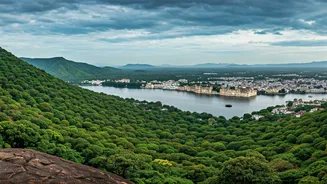
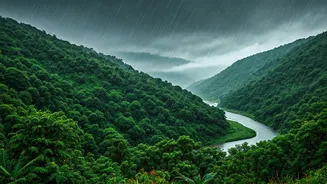
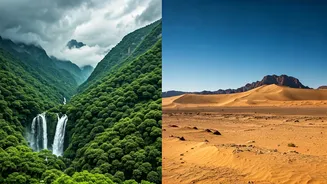
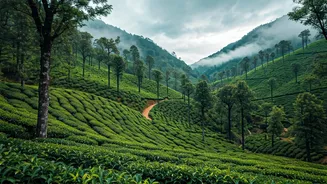
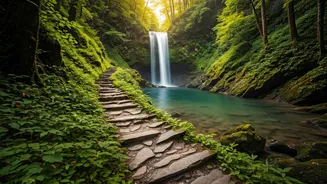
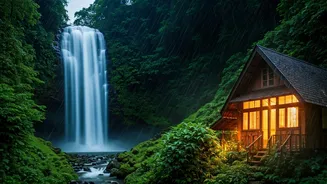
So, what’s the appeal of a vacation defined by rain? For many, it’s about the atmosphere. The monsoon transforms the Indian landscape, turning dusty plains into lush, emerald carpets and filling waterfalls that were mere trickles just weeks before. There's a powerful sensory romance to it all: the rhythmic sound of rainfall, the cool mist in the air, and the earthy petrichor smell that rises from the ground. Destinations like Kerala’s backwaters, the hills of Coorg in Karnataka, or the lakeside palaces of Udaipur in Rajasthan take on a dreamy, almost mystical quality. The weather encourages a slower pace. Instead of a packed itinerary of sightseeing, the focus shifts inward. Days are spent reading by a window overlooking a rain-lashed tea plantation, sharing cups of hot chai, and enjoying luxurious hotel amenities without the guilt of “wasting” a sunny day. It fosters a sense of coziness and connection that a frantic, crowd-filled trip often can’t deliver.
Practical Perks Meet Modern Priorities
While the romance is a major driver, the practical benefits are impossible to ignore. The concept of “value” is shifting. For modern couples, value isn’t just about the lowest price; it’s about the quality of the experience. Traveling during the monsoon means avoiding the shoulder-to-shoulder crowds that plague popular spots during peak season. This translates to more serene temple visits, unobstructed views, and the simple pleasure of walking down a quiet street. The economic advantages are significant, too. With lower demand, airlines, luxury resorts, and boutique hotels offer steep discounts, sometimes cutting rates by 30-50%. This allows couples to afford a level of luxury—like a private villa with a plunge pool or a premium suite with a stunning view—that might be out of reach during the high season. For a generation balancing lavish wedding costs with future financial goals, getting a five-star experience for a three-star price is a powerful incentive.
A New Map of Honeymoon Hotspots
This trend is also changing where couples choose to go. While a rainy-season trip to the beaches of Goa might sound counterintuitive, the state becomes a tranquil green paradise, a far cry from its reputation as a non-stop party hub in December. Hill stations across the country, from Munnar in the south to places in the Himalayan foothills, become enveloped in mist, offering a secluded, romantic escape. The state of Rajasthan, often considered unbearably hot for much of the year, becomes cooler and its famous lakes, like Pichola in Udaipur, are full and majestic. Travel agencies and hotel chains have caught on, now actively marketing “monsoon packages” that highlight the unique charm of the season. They're no longer apologizing for the rain; they're selling it as the main attraction.