
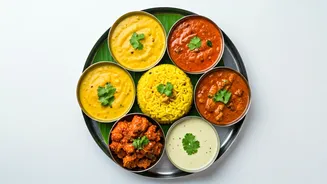
Beyond Butter Chicken and Naan
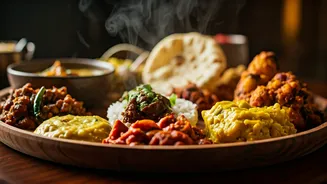
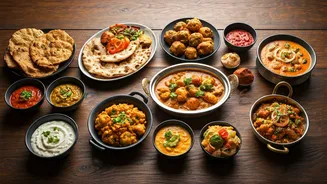
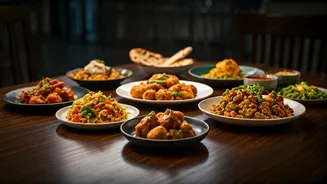
For most Americans, “Indian food” has long been a monolith. The experience was comforting and predictable: a basket of warm naan, a bowl of creamy chicken tikka masala or saag paneer, and maybe a samosa to start. This menu, delicious as it is, primarily
represents a narrow slice of North Indian, specifically Punjabi, cuisine. It became the default for a reason—early Indian immigrants to the West were often from Punjab, and they cooked the hearty, rich, tandoor-fired dishes they knew and loved. It was accessible, easily adapted for Western palates, and became the successful culinary shorthand for a subcontinent of over a billion people. But calling it 'Indian food' is like calling a New York slice 'American food'—it's true, but it misses the entire story of Texas barbecue, New England clam chowder, and Louisiana gumbo.
A Country of Countless Kitchens
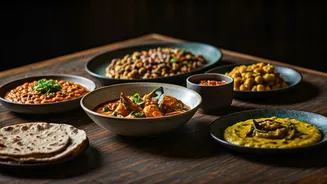
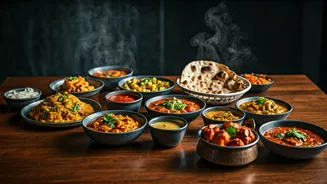
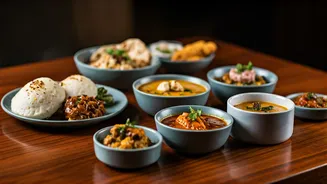
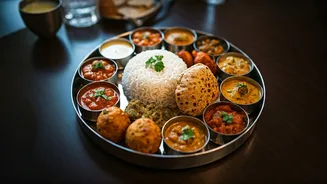
The secret that India has always kept is that there is no single “Indian cuisine.” Instead, there are dozens of distinct, fiercely regional culinary traditions shaped by millennia of history, climate, and culture. The food of coastal Kerala, lush with coconut groves, relies on coconut milk, fresh seafood, and spices like black pepper and cardamom. Head east to Bengal, and you’ll find a love for freshwater fish, pungent mustard oil, and delicate sweets. In the south, states like Tamil Nadu and Andhra Pradesh feature fiery, complex spice blends, tamarind-soured broths, and a dizzying array of rice and lentil dishes. In Goa, a former Portuguese colony, you find a unique fusion of Catholic and Hindu traditions, with vinegar-laced pork vindaloo and tangy fish curries. This incredible diversity—from the Himalayan north to the tropical south—is the everyday reality of food in India. It's not a trend; it's just dinner.
The New Taste of America's Menus
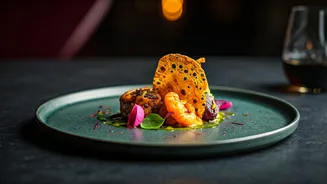
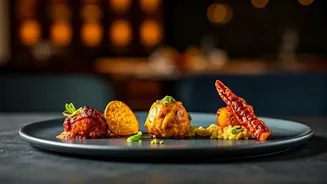
This reality is finally arriving on American shores, thanks to a new generation of chefs and restaurateurs. In cities like New York, San Francisco, and Washington D.C., restaurants are proudly marketing themselves not as “Indian,” but as Bengali, Goan, or Malayali. Establishments like New York’s Dhamaka have earned critical acclaim for serving “unapologetic” provincial dishes once deemed too “challenging” for American diners, like goat neck biryani and gurda kapoora (goat kidney and testicles). Chefs are digging into their own family histories, replicating the specific flavors of their hometowns and celebrating hyper-regional specialties. This isn't about fusion; it's about authenticity and specificity. Diners are no longer just ordering curry; they're learning the difference between a Bengali *shorshe ilish* (hilsa fish in mustard gravy) and a Goan fish recheado (fish stuffed with fiery red masala).
Why Now? A Perfect Culinary Storm
Several factors are driving this delicious shift. Second- and third-generation Indian Americans are more confident in sharing the full spectrum of their heritage, moving beyond the need to present a simplified, palatable version of their culture. American diners, in turn, have become more adventurous. Decades of exposure to global flavors via travel, television, and the internet have created a demand for authenticity and novelty. We no longer just want “Thai”; we want northern Thai. We don't just want “Mexican”; we want Oaxacan. Indian food is the next logical frontier for this culinary curiosity. Social media also plays a huge role, allowing a small, buzzy restaurant in Queens serving obscure regional fare to gain a national following overnight. The result is a vibrant ecosystem where specificity is a selling point, not a barrier.