





More Than Just a Trend
In the U.S., the tiny living phenomenon is often a conscious lifestyle choice, a deliberate step away from consumerism. In India, the drivers are more complex and varied. For some in hyper-dense megacities like Mumbai and Bangalore, maximizing small spaces
isn’t a choice but a necessity. For others, it’s about creating sustainable weekend retreats that honor the land. And for a growing number, it’s a way to fuse a global minimalist aesthetic with a rich, local design heritage. The result isn't a carbon copy of American cabins on wheels; it’s a uniquely Indian design language where every square foot tells a story of adaptation and creativity.
The Urban Pod: Maximum Style, Minimum Footprint
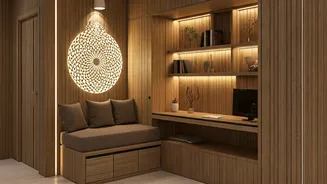
In cities where real estate is famously expensive, architects are becoming masters of the micro-apartment. Think less about rustic sheds and more about sleek, urban pods. These spaces, often under 500 square feet, are showcases of multi-functional design. A coffee table rises to become a dining table, a bed folds into the wall to reveal a workspace, and storage is cleverly integrated into stairs and ceilings. Designers like The Busride Design Studio have created movable walls and transformable furniture that allow a single room to serve multiple purposes throughout the day. It's a high-tech, high-style solution to the universal problem of urban squeeze, proving that you don't need a sprawling villa to live beautifully.
The Eco-Retreat: Rooted in Tradition
Moving out of the city, the Indian tiny home movement takes on a distinctly green and traditional hue. Architects and builders are championing local, sustainable materials. Instead of imported lumber, you find homes built with bamboo, a fast-growing and incredibly strong grass, or walls made of rammed earth. Reclaimed wood from old structures is given new life as flooring or furniture. These homes often feature design elements that are thousands of years old but perfectly suited for modern sustainability. Think verandas for passive cooling, internal courtyards (*angans*) to promote airflow, and intricate perforated screens (*jaali*) that provide privacy and ventilation while casting beautiful, shifting patterns of light. It's a design ethos that respects both the environment and India’s deep architectural history.
The Mobile Marvel, Indian-Style
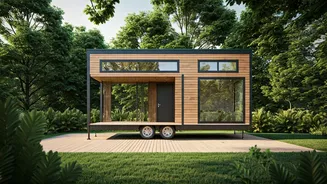
While the classic American tiny house on wheels (THOW) is built for highways, the Indian equivalent is engineered for a different reality. Companies are creating mobile homes that are rugged, compact, and designed to navigate a wider variety of road conditions. These are not just for nomadic wanderers but are also being pitched as portable cabins, backyard guest houses, or even pop-up commercial spaces. Firms like iKisa and Zero-space are offering prefabricated, transportable homes that can be set up in a matter of days. They are a response to a desire for flexibility, allowing owners to have a stylish, self-contained home that can move with them, whether to a new city for work or a scenic spot for a long-term vacation.
A Fusion of Old and New
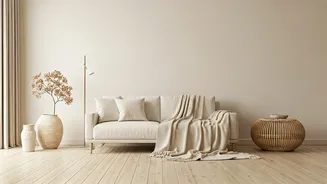
Perhaps the most exciting aspect of India's tiny home scene is the stylistic fusion. You might see a minimalist, Scandinavian-inspired interior, but the textiles will be vibrant, block-printed fabrics from Rajasthan. The structure might be a clean, modern cube, but it’s adorned with a hand-carved wooden door sourced from a village artisan. This isn't about creating a museum piece; it’s about a living, breathing design culture that confidently borrows from the global playbook while celebrating its own unique identity. It’s a reminder that living small doesn't mean sacrificing personality—in fact, it often means concentrating it into a more potent, stylish form.