



1. The Tinned Fish Renaissance
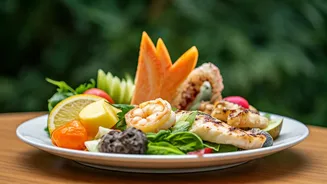
Remember those tins of sardines or smoked oysters tucked away in the back of the cupboard? They’re back, and they’re the star of the show. Driven by TikTok creators and a desire for affordable, protein-packed, and shelf-stable foods, tinned fish has shed
its fusty image. Today, it’s all about “seacuterie boards” featuring beautifully packaged fish from Spain and Portugal, often preserved in high-quality olive oil with herbs and spices. It’s no longer just a cracker-topper for Grandpa. It’s an easy, elegant lunch, a no-cook dinner component, and a signifier of a certain worldly, unfussy coolness. This trend perfectly marries convenience with a touch of European coastal charm, proving that some of the best foods don't require a refrigerator.
2. The Return of Rendered Fats
For decades, lard and tallow were culinary villains, pushed aside by vegetable oils and shortening. But our grandparents, who used these rendered animal fats for everything from flaky pie crusts to perfectly fried chicken, knew something we forgot: they’re incredibly effective and flavorful. Now, a new generation of chefs and home cooks is rediscovering them. Driven by nose-to-tail eating philosophies, a skepticism of overly processed ingredients, and the keto/paleo movements, lard (from pork) and tallow (from beef) are being celebrated for their high smoke points and rich flavor. They bring an unmatched crispiness to roasted potatoes and a depth to baked goods that modern fats can’t replicate. It turns out Grandma’s secret ingredient was no secret at all—just a smart, sustainable use of resources.
3. Sherry and Vermouth Get a Glow-Up
That dusty bottle of cream sherry in the liquor cabinet wasn’t just for a holiday tipple. Fortified wines like sherry and vermouth were once staples of the American bar cart, used in classic cocktails and enjoyed on their own as an aperitif. After a long slump, they’re experiencing a serious revival. Bartenders are digging into the complex, nuanced world of dry Fino and Manzanilla sherries and artisanal vermouths to create more sophisticated, lower-alcohol cocktails. These aren’t the cloyingly sweet drinks you might remember. This trend is about appreciating bitterness, nuttiness, and herbal complexity. It’s a grown-up move, a nod to a time when cocktail hour was a more relaxed, savory affair.
4. Gelatin Breaks the Mold
Before you picture a wobbly, lime-green ring filled with canned fruit, take a breath. While mid-century gelatin salads gave the ingredient a bad name, today’s revival is far more artistic and refined. Chefs and food influencers are using gelatin to create stunning, crystal-clear aspics, elegant panna cottas, and intricate, floral-infused jellies. The new gelatin creations are beautiful, showing up on high-end restaurant menus and highly aestheticized Instagram feeds. The appeal is part visual, part textural, and part a technical challenge for ambitious cooks. It’s also a nod to a time of culinary resourcefulness, when gelatin was used to stretch ingredients and create impressive-looking dishes with humble means. The wobbly dessert is officially chic again, just without the suspended hot dogs.
5. The Comfort of Malted Milk Powder
That familiar canister of Carnation or Ovaltine wasn’t just for making malts at the soda fountain. Grandparents often stirred it into warm milk for a comforting bedtime drink or added it to cookie recipes for a subtle, nutty sweetness. Now, malted milk powder is being rediscovered by pastry chefs and bakers as a powerhouse flavor enhancer. It adds a toasty, savory depth that balances sweetness in everything from brownies and blondies to ice cream and chocolate chip cookies. It provides a taste that’s hard to place but deeply familiar—what food writer Claire Saffitz calls “the flavor of nostalgia.” As we seek out comforting, simple pleasures, that distinctive malty taste feels like a warm hug in dessert form.