
Beyond Greek: The Power of Dahi
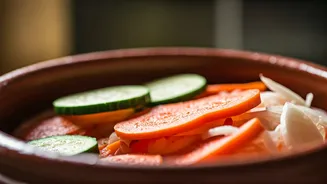
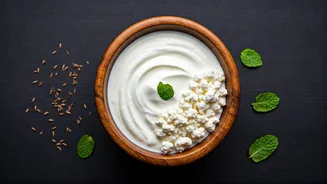
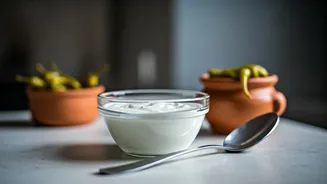
Long before Greek yogurt became a refrigerated staple in American homes, dahi (homemade Indian yogurt) was the cornerstone of countless Indian meals. This simple, live-culture food is a probiotic powerhouse, introducing beneficial bacteria that support
a healthy gut lining and aid digestion. Unlike many commercial yogurts, traditional dahi is often made daily, ensuring a fresh and potent dose of these friendly microbes. It’s served as a cooling side dish to balance spicy curries, blended into a savory raita with vegetables and spices, or churned into a refreshing lassi. The lactic acid in dahi also makes nutrients like calcium more bioavailable. By incorporating this versatile food, you’re not just adding a creamy texture to your plate; you’re participating in a centuries-old practice of nurturing the body from the inside out.
Fermentation's Southern Charm
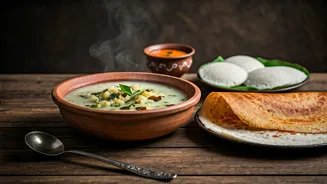
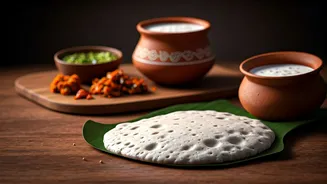
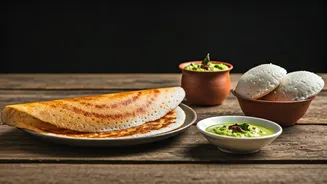
If you’ve ever marveled at the light, airy texture of an idli or the crisp, lacy edge of a dosa, you’ve experienced the magic of fermentation. These South Indian staples are made from a batter of soaked rice and lentils that is left to ferment overnight. This natural process does more than just create bubbles; it breaks down the starches and anti-nutrients in the grains, making them significantly easier to digest. The fermentation process also increases the availability of nutrients like B vitamins. The combination of rice and lentils creates a complete protein, and the fiber from the lentils acts as a prebiotic—food for the good bacteria already living in your gut. So, that weekend dosa brunch is not just an indulgence; it’s a sophisticated, gut-friendly meal that’s been perfected over generations.
Your Spice Rack is a Prebiotic Garden
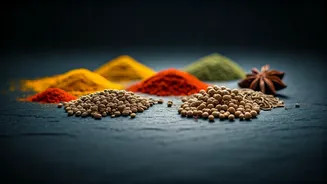
In Indian cooking, spices aren’t just for flavor—they’re functional. Turmeric, celebrated for its anti-inflammatory compound curcumin, has been a staple of Ayurvedic medicine for millennia. Ginger is a well-known digestive aid, helping to soothe the stomach and reduce nausea. Cumin seeds are often chewed after meals to promote digestion, while coriander is known for its cooling properties. Many of these spices, including fenugreek and fennel, also contain compounds that support digestive health. The complex blend of spices in a typical curry, known as a masala, creates a symphony of flavors that also works to support your digestive system. It’s a prime example of how traditional food wisdom intuitively understood what modern science is now confirming: a diverse diet rich in plant compounds is key to a thriving microbiome.
Fiber-Fueled by Daal
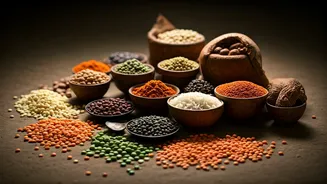
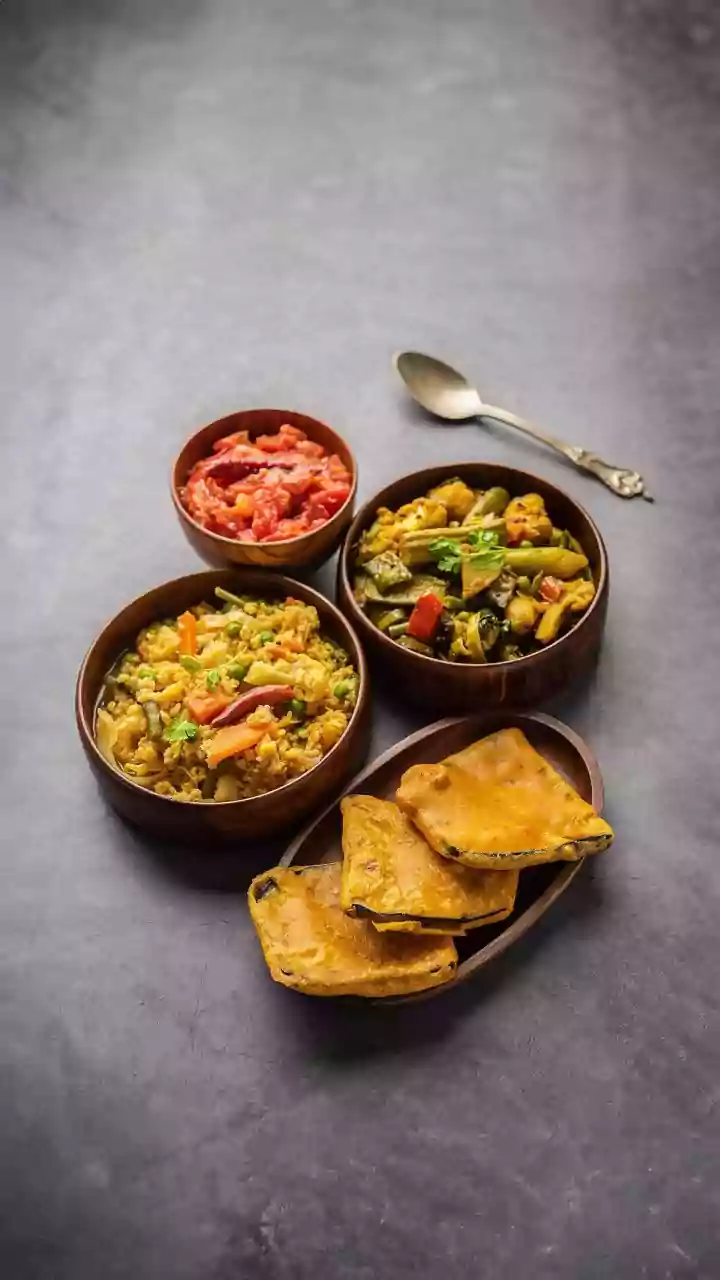
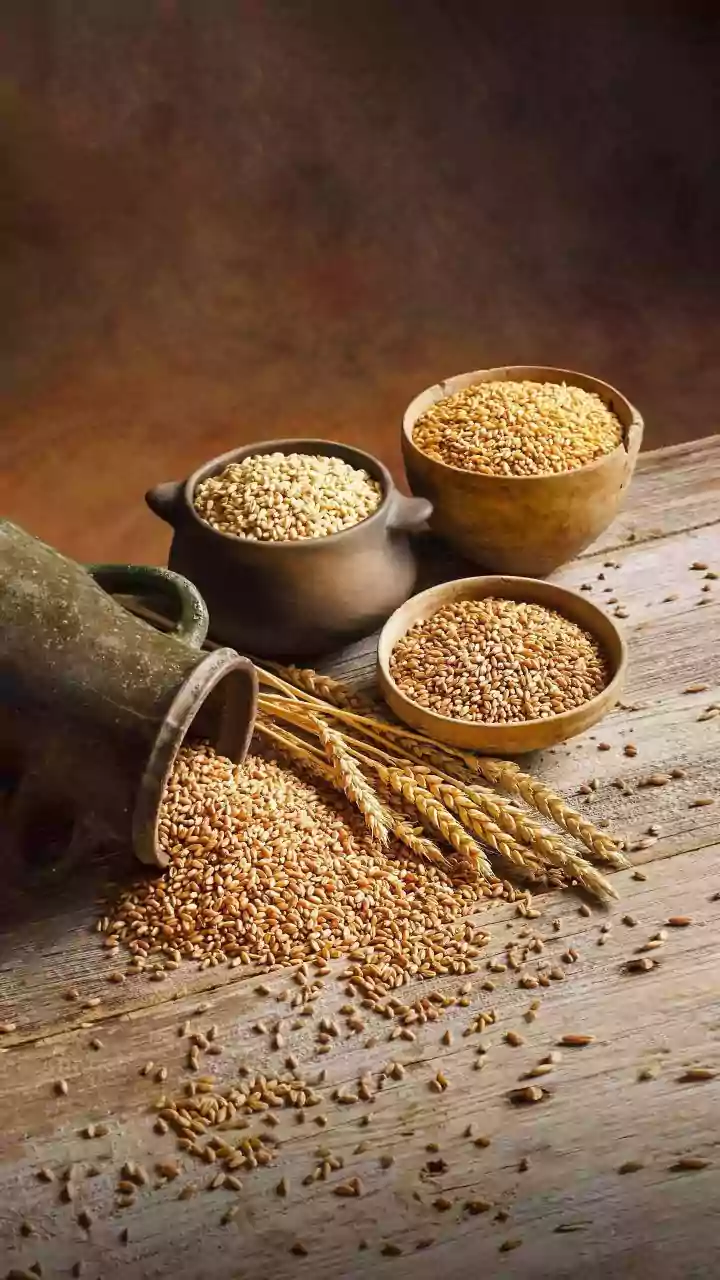
Daal, the humble lentil stew, is arguably the heart of Indian home cooking. Eaten daily in millions of households, this simple dish is a nutritional heavyweight. Lentils, chickpeas, and beans are packed with soluble and insoluble fiber. Insoluble fiber adds bulk and promotes regularity, while soluble fiber dissolves in water to form a gel-like substance that feeds beneficial gut bacteria. This process produces short-chain fatty acids (SCFAs), which are crucial for maintaining the health of the colon lining and reducing inflammation throughout the body. A simple bowl of daal with rice or roti provides a satisfying, protein-rich meal that keeps your gut microbiome well-fed and happy. It’s the ultimate comfort food that’s also working hard for your long-term health.