





The Tiffin, Reimagined
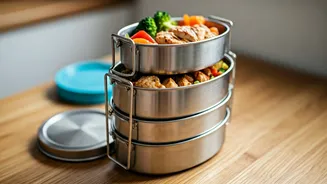
First, let’s talk about the tiffin. For generations across South Asia, this unassuming stack of interlocking metal containers has been a profound symbol of care. Packed by a loving hand at home, a tiffin carries warm, fresh food to a spouse at the office
or a child at school. It’s the midday taste of home, a tangible link to family. But as second- and third-generation South Asian Americans embraced the modern fitness world of macro-counting and protein goals, the traditional tiffin-filler—often rich in rice, potatoes, and ghee—seemed at odds with their new nutritional targets. The cultural dilemma was real: do you eat the food that makes you feel connected, or the food that helps you hit your fitness goals?
The Old Fitness Dilemma
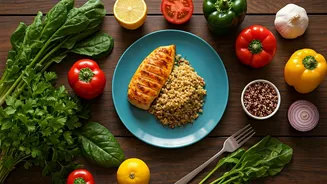
For years, the default answer for many was to compartmentalize. Fitness forums and gym-goer wisdom preached a spartan diet of grilled chicken, steamed broccoli, and brown rice. Delicious, complex Desi dishes like biryani, butter chicken, and samosas were relegated to “cheat meals” or holiday feasts, often accompanied by a tinge of guilt. This created a subtle but significant cultural disconnect. The message, intended or not, was that achieving a certain kind of physical health required abandoning a part of one's heritage. The vibrant, spice-laden foods that defined family gatherings and cultural identity were cast as nutritional villains, incompatible with a lean physique.
Building a Better Butter Chicken
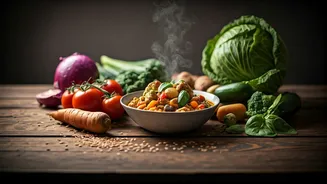
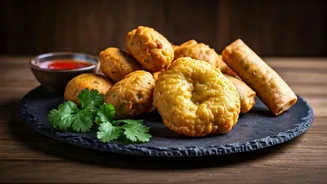
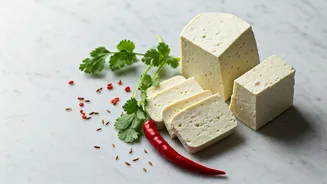
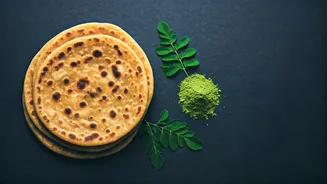
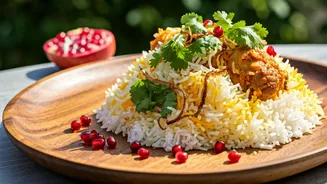
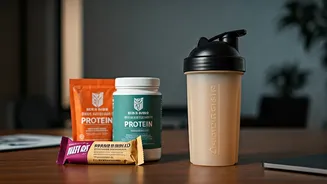
The protein tiffin is the delicious rebellion against that false choice. It’s not a single recipe but an entire culinary philosophy, driven by creative home cooks and a new wave of Desi-owned meal prep companies. The goal isn’t to replace, but to reinvent. That creamy butter chicken? The sauce is now made with Greek yogurt instead of heavy cream and butter, instantly boosting the protein and cutting the fat. The mountain of basmati rice it’s served over? It’s now a 50/50 mix with cauliflower rice. Craving dal makhani? It’s made with less ghee and served with high-protein quinoa. Entrepreneurs are even creating lentil-based “protein rotis” and baking samosas stuffed with spiced chicken and paneer instead of deep-frying the traditional potato filling. It's the same flavor profile, the same aromatic spices, the same feeling of comfort—just with a nutritional label that aligns with a 21st-century fitness mindset.
More Than Just Macros
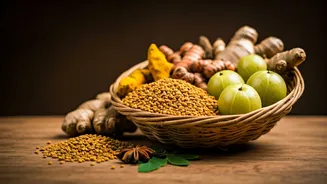
This trend is about more than just hitting a daily protein target. It's an act of cultural reclamation. It asserts that Desi food is not inherently “unhealthy” and that wellness does not have to be whitewashed. By modifying traditional recipes, a new generation is refusing to accept that the flavors of their childhood are incompatible with their adult health goals. It’s a way of saying, “I can be fit *and* I can be South Asian. I don't have to choose.” This movement empowers people to cook and eat with joy and pride, rather than restriction and nostalgia. The protein tiffin is, in essence, a decolonized lunchbox. It takes back the narrative, proving that a diet rich in turmeric, ginger, and cardamom can also be rich in protein.
A Cottage Industry Is Born
Spotting this deep-seated need, savvy entrepreneurs across the country have launched meal prep services dedicated to macro-friendly Desi cuisine. Companies with names that evoke both tradition and modernity deliver weekly boxes filled with protein-packed palak paneer, keto-friendly kebabs, and low-carb chicken korma. These services are a godsend for busy professionals who want the taste of home without the hours of cooking or the nutritional guesswork. They’ve successfully turned a grassroots kitchen movement into a thriving business model, proving that there is a significant market for food that nourishes both the body and the soul.