




From Kibble to Quinoa Bowls
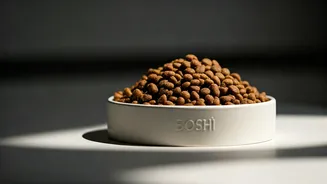
Walk down the pet food aisle—or more likely, scroll through your Instagram feed—and you’ll see it. The beige, uniform pellets that defined dog and cat food for generations are being replaced by something that looks… suspiciously like human food. We’re
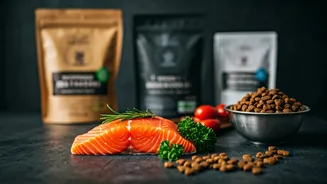
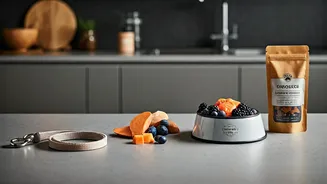
talking about vibrant, textured meals featuring fresh-cooked turkey, sweet potatoes, and leafy greens, all portioned into sleek, personalized packages. Brands like The Farmer’s Dog, Ollie, and Nom Nom have built entire empires on the promise of “human-grade” food delivered to your door. The aesthetic is pure wellness startup: minimalist branding, heartfelt testimonials, and photogenic bowls of food that wouldn’t look out of place at a trendy lunch spot. This isn't just an upgrade; it's a complete reinvention of what pet food can be, shifting it from a utilitarian chore to a conscious, curated consumer choice.
The Fur-Baby as Wellness Icon
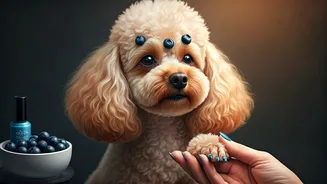
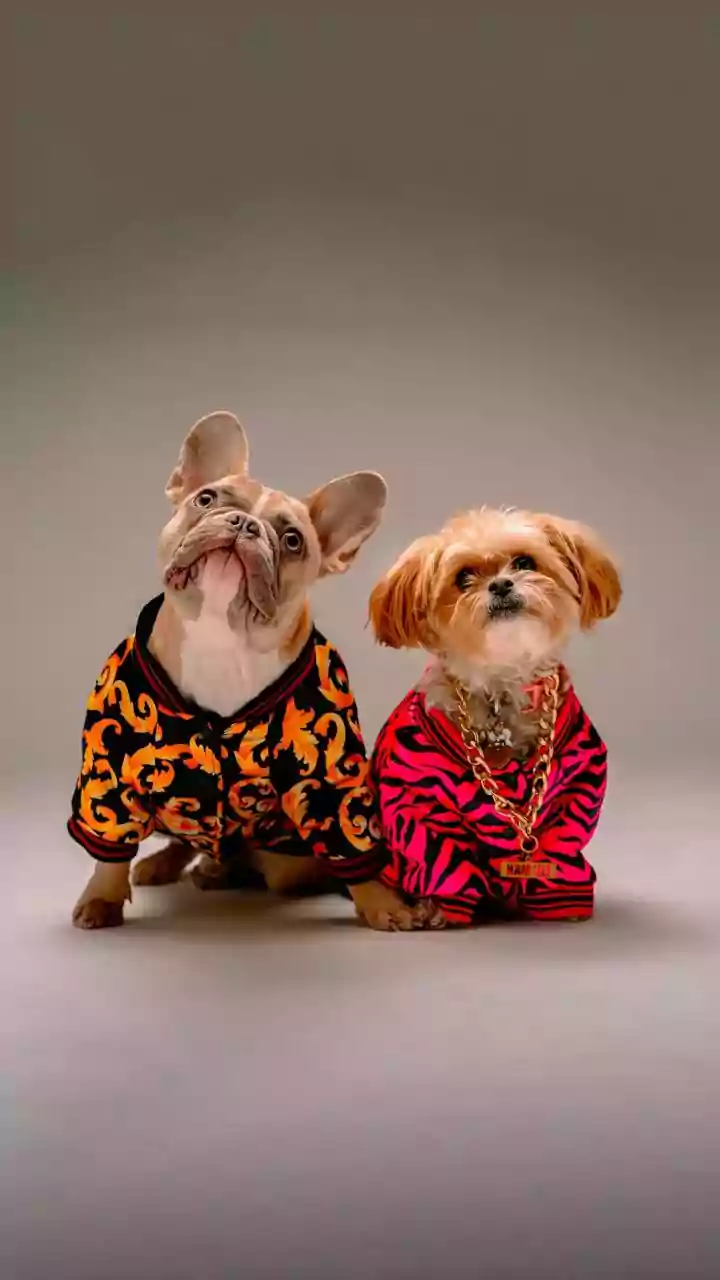
So why are we suddenly treating Fido’s dinner like a Michelin-starred tasting menu? The answer lies in the powerful cultural force known as the “humanization” of pets. For a growing number of Americans, particularly millennials and Gen Z, pets are not just animals; they are family members, or “fur babies.” This emotional shift coincides with the explosion of the wellness industry. We track our steps, drink our green juice, and prioritize clean, organic, and locally sourced ingredients. It was only a matter of time before we projected these values onto our pets. Feeding your dog a fresh-cooked, grain-free meal is an extension of your own lifestyle. It telegraphs care, conscientiousness, and a certain level of affluence. In a world where we curate our lives online, a perfectly plated bowl of designer dog food becomes another way to build our personal brand. It says, “I am a person who provides the best, not just for myself, but for my beloved companion.”
An Unstoppable, Subscription-Fueled Market
This trend is more than just a cultural quirk; it’s a multibillion-dollar industry. The American Pet Products Association reports that spending on pet food and treats continues to skyrocket, with a significant portion driven by the premium and super-premium categories. These new-wave companies have cleverly bypassed the traditional retail model, opting for a direct-to-consumer (DTC) subscription service. This model does two things brilliantly. First, it creates a recurring revenue stream and fosters brand loyalty. Second, it allows for a level of personalization that a bag of kibble off the shelf could never offer. New customers fill out detailed questionnaires about their pet’s breed, age, activity level, and health issues, creating the feeling of a bespoke, veterinarian-approved plan. This high-touch, customized experience justifies the premium price tag and makes owners feel they are making the most responsible choice possible.
But Does Your Dog Actually Care?
With any high-end trend comes a healthy dose of skepticism. Is a sous-vide beef bowl demonstrably better for your dog than a scientifically formulated, high-quality kibble? The answer is complicated. Veterinarians generally agree that ingredient quality matters, and highly processed foods with cheap fillers are less than ideal. However, many also caution that the term “human-grade” is more of a marketing tool than a regulated nutritional standard. The bigger risk can be nutritionally incomplete homemade or boutique diets. Most board-certified veterinary nutritionists will tell you that a well-balanced food from a reputable company that conducts extensive feeding trials is a perfectly healthy choice, regardless of its form. The “flex” is often more for the owner’s peace of mind than the pet’s palate. While your dog will almost certainly enjoy the fresh food, the complex emotions of status and virtue signaling are purely human.