
So, What Is Food Synergy?
Think of your body as a team and nutrients as the players. You could have a star quarterback (say, Vitamin C), but they’re not going to win the game alone. They need a solid offensive line to do their job. Food synergy is the scientific concept that nutrients,
when eaten together in whole foods, work as a team. They can enhance each other's absorption, create more powerful antioxidant effects, or otherwise provide a greater health benefit than if you consumed them separately. It’s the nutritional equivalent of the whole being greater than the sum of its parts. This idea pushes back against the 20th-century trend of isolating single nutrients and putting them in a pill. Instead, it validates what cultures around the world have known for centuries: certain foods just belong together.
Tomatoes and Healthy Fats: The Mediterranean Duo
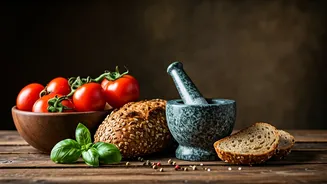
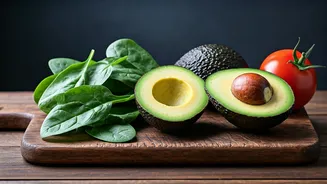
This is a classic for a reason. Tomatoes are packed with lycopene, a powerful antioxidant linked to reduced risk for certain cancers and heart disease. The catch? Lycopene is fat-soluble. Your body struggles to absorb it on its own. But when you pair tomatoes with a healthy fat like olive oil or avocado, you give the lycopene a vehicle for delivery into your system. Suddenly, that Caprese salad, bruschetta drizzled with extra-virgin olive oil, or even a simple pasta sauce made with a glug of oil isn't just delicious; it’s a masterclass in nutritional teamwork. The fat helps unlock the tomato’s full potential. Grandma knew what she was doing when she served that tomato and cucumber salad with an oily dressing.
Turmeric and Black Pepper: The Anti-Inflammatory Power-Up
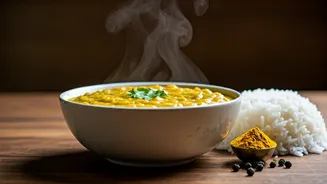
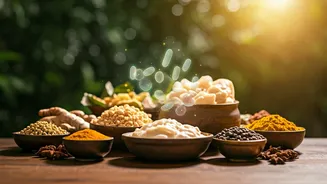
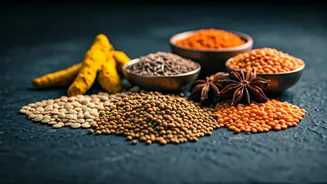
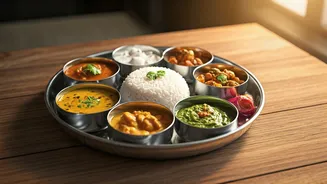
Turmeric has been the darling of the wellness world for years, thanks to its active compound, curcumin, which has potent anti-inflammatory and antioxidant properties. But there's a major problem: our bodies are notoriously bad at absorbing curcumin. On its own, most of it passes right through you. Enter black pepper. Pepper contains a compound called piperine, which works a bit like a doorman for curcumin. It helps curcumin pass through the intestinal wall and into the bloodstream, boosting its bioavailability by a staggering 2,000%, according to some studies. This is why you’ll almost always find black pepper in traditional curry recipes that feature turmeric—it’s ancient wisdom that modern science can now precisely explain.
Leafy Greens and Vitamin C: Unlocking Plant-Based Iron
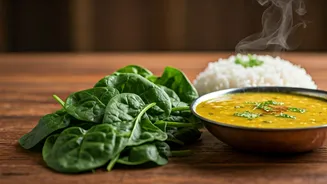
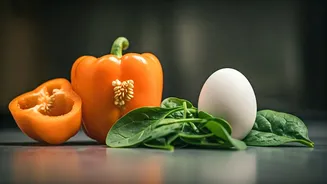
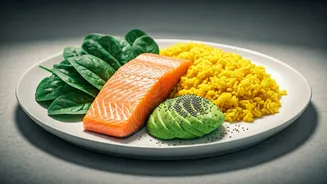
If you follow a plant-based diet or are just trying to eat less meat, getting enough iron can be a concern. The type of iron found in plants like spinach, kale, and lentils is called non-heme iron, which is harder for the body to absorb than the heme iron found in meat. This is where Vitamin C comes to the rescue. Vitamin C dramatically improves the absorption of non-heme iron. So, when you squeeze a lemon over a spinach salad, toss bell peppers (which are loaded with Vitamin C) into your lentil soup, or enjoy a glass of orange juice with your fortified cereal, you're actively helping your body access more of that vital, energy-boosting mineral. It’s a simple trick that makes a huge difference.
Beans and Rice: The Complete Protein Puzzle
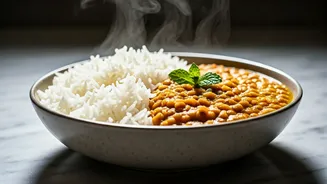
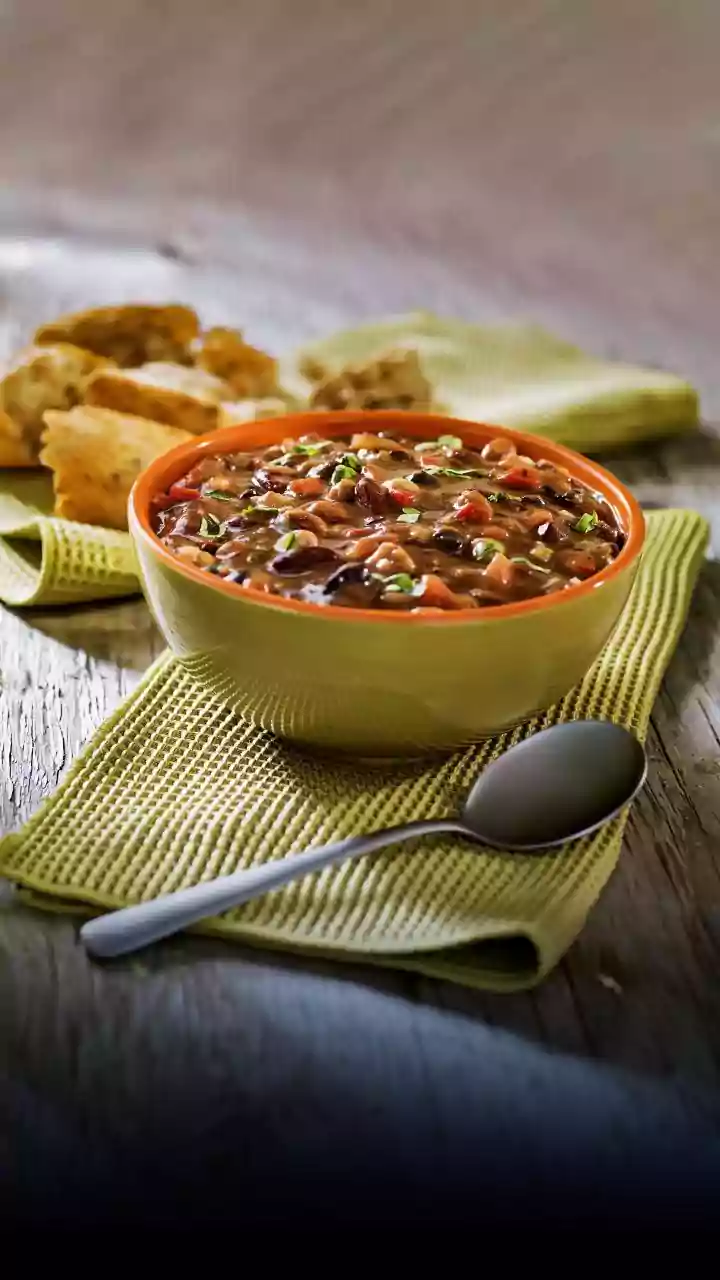
For generations, beans and rice has been a staple meal for cultures across the globe, from Latin America to the Caribbean to India. It’s affordable, filling, and, as it turns out, nutritionally brilliant. Most plant foods are “incomplete” proteins, meaning they lack one or more of the nine essential amino acids our bodies can't produce on their own. Grains like rice are typically low in the amino acid lysine, while legumes like beans are low in methionine. Eaten separately, they’re good, but not great. Eaten together? They form a “complete” protein, providing all nine essential amino acids, just like meat or eggs. It’s a perfect example of how traditional food combinations were often born from a deep, intuitive understanding of nutritional needs.