





Why Your Old Playbook Is Outdated
A rainy day on vacation once meant a trip to the museum or a movie. Today, it can mean something far more serious. Climate patterns are shifting, leading to more intense, localized downpours that can overwhelm infrastructure in minutes. This isn't just
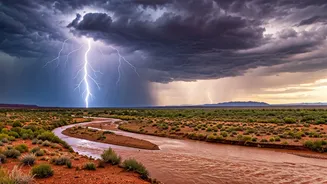
a concern for coastal hurricane zones. Inland cities, desert canyons, and quiet mountain towns are increasingly experiencing flash floods that can turn a scenic drive into a dangerous trap. The hard truth is that areas not traditionally considered 'flood plains' are now at risk. Urban sprawl with lots of concrete and asphalt prevents water from soaking into the ground, creating rapid and dangerous runoff. For travelers, this means a picturesque creek-side rental or a downtown hotel in a historic city could suddenly be in the path of rising water. Being prepared is no longer about avoiding disappointment; it’s about ensuring safety.
Before You Go: Smart Pre-Trip Planning
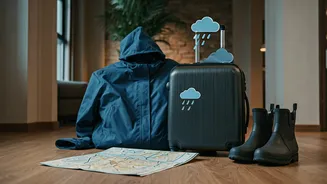
Your safety prep should start long before you lock your front door. When booking accommodations, take a moment to look at a topographical map. Is your hotel or rental in a low-lying area, near a river, or at the bottom of a steep basin? While these spots are often scenic, they carry higher risks. Before you pack, expand your weather-checking routine. Look beyond the simple rain-or-shine forecast to see if there are any watches or warnings for severe thunderstorms or excessive rainfall in the region. It’s also wise to program a few key numbers into your phone: the local non-emergency police line, your hotel's front desk, and a roadside assistance service. Finally, consider your packing list. In addition to that raincoat, throw in a portable phone charger, a small first-aid kit, and a flashlight. These small additions can be invaluable if the power goes out or you’re stranded.
On the Ground: Situational Awareness Is Key
Once you've arrived, stay informed. One of the easiest and most effective things you can do is enable Wireless Emergency Alerts (WEAs) on your smartphone. These are location-based push notifications from authorities, including the National Weather Service, that can provide life-saving warnings about flash floods. Pay attention to your environment. If you're hiking, be aware of the weather upstream; a storm miles away can send a wall of water down a dry creek bed. In a city, note the location of higher ground. If you're staying in a hotel, take a moment to identify the evacuation routes and ask the front desk about their emergency procedures. This isn't about being paranoid; it's about having a simple plan, just as you would for a fire drill. A few minutes of awareness can give you a critical head start if conditions change rapidly.
The Golden Rule: Turn Around, Don't Drown
If there is one piece of advice to remember, it’s this slogan from the National Weather Service: "Turn Around, Don't Drown." It is the single most important rule for flood safety. It can be tempting to try to drive through a flooded roadway, especially if it looks shallow. This is a fatal miscalculation for hundreds of people each year. It takes only six inches of moving water to knock over an adult. Just 12 inches can sweep away a small car, and two feet of rushing water can carry away most vehicles, including SUVs and pickups. You can't tell the depth of the water or whether the road underneath has been washed away. The correct and only safe response is to turn around and find an alternate route. Your destination is never worth risking your life.
If You Get Caught: Seek High Ground
If you find yourself caught in a sudden flood, whether in your car or on foot, your immediate priority is to get to higher ground as quickly as possible. If you are in a car that stalls in rising water, abandon it immediately and move to higher ground. A vehicle can become a coffin. If you're in a building, move to the highest level. Do not take refuge in a closed attic, as you may become trapped by rising floodwater. Get on the roof only if necessary and signal for help. Avoid walking or wading through floodwaters. In addition to the risk of being swept away, the water is often contaminated with sewage, chemicals, and debris, and may hide downed power lines or other hazards. Once you are in a safe location, listen to the advice of local emergency officials and wait for the all-clear.