







From Post-Run Samosa to Protein Shake
For years, the Indian running boom was fueled by sheer enthusiasm. Recreational runners, often new to endurance sports, focused on logging miles. Nutrition was an afterthought, frequently defaulting to traditional high-carb meals or, for a post-run treat,
a fried samosa and sweet chai. It was a culture of participation, but not necessarily peak performance. Now, a seismic shift is underway. As marathons and half-marathons have become mainstream fixtures in urban India, a more sophisticated, science-backed approach to fueling has taken hold. The conversation in club WhatsApp groups and at post-run gatherings has evolved from 'How far did you go?' to 'What’s your macro split?' and 'Are you getting enough protein for recovery?'
The Great Millet Revival
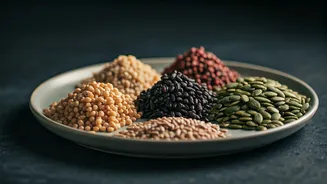
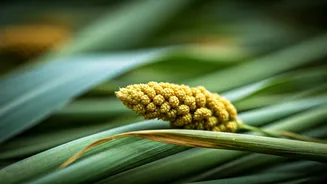
Instead of simply adopting Western-style energy gels and pasta dinners, Indian runners are spearheading a unique fusion: a blend of global sports nutrition principles with rediscovered local wisdom. The star of this movement is the humble millet. Ancient grains like ragi (finger millet), jowar (sorghum), and bajra (pearl millet) are being championed as ideal fuel for endurance athletes. Unlike refined white rice or wheat, these millets are complex carbohydrates with a low glycemic index, providing sustained energy release without the sugar crash. They are also packed with fiber, iron, and calcium. Runners are swapping their morning toast for ragi porridge or carrying energy balls made from dates, nuts, and millet flour. It’s a powerful, sustainable, and distinctly Indian answer to the question of what to eat before a long run.
Cracking the Protein Code
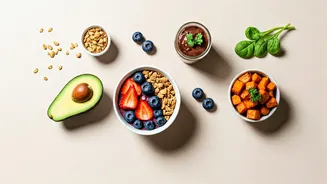
One of the biggest hurdles for vegetarian-majority running clubs has been protein intake, which is crucial for muscle repair and recovery. The old model often fell short, leaving runners sore and prone to injury. Today's smart runners have cracked the code by getting intentional with their diet. They are meticulously planning meals to include high-protein sources that have always been part of the Indian diet but were never framed as 'performance food.' Lentil-based dals are no longer just a side dish but a calculated part of a recovery meal. Paneer (a fresh, non-melting cheese) is grilled or sautéed as a primary protein source. Eggs have become a staple breakfast for non-vegetarians. Furthermore, the market for whey and plant-based protein powders has exploded, with runners adding a scoop to a post-run smoothie made with local fruits like banana and mango.
A Community Fueled by Knowledge
This nutritional awakening isn't happening in a vacuum. It’s a community-driven effort, nurtured within the running clubs themselves. Larger clubs in metropolitan areas now host workshops with dietitians and sports nutritionists. Experienced runners act as mentors, sharing what works for them and debunking myths about fad diets. The social fabric of the club reinforces these new habits. Post-run breakfasts are now more likely to be organized potlucks featuring healthy, homemade dishes like quinoa upma or sprouted moong bean salad. Recipes and meal prep ideas are shared as freely as route maps and pacing strategies. This collective pursuit of better health has transformed running from a solitary activity into a holistic lifestyle movement, where fueling the body correctly is celebrated as much as crossing the finish line.