



The Science of a Dry Paradise
The magic of Spiti in June comes down to a simple geographical phenomenon: the rain-shadow effect. As monsoon clouds, heavy with moisture from the Indian Ocean, drift north, they encounter the formidable barrier of the main Himalayan range. To ascend
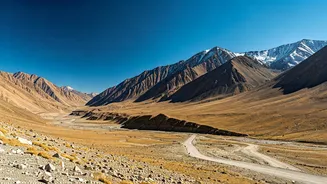
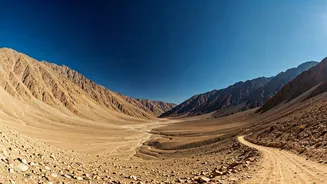
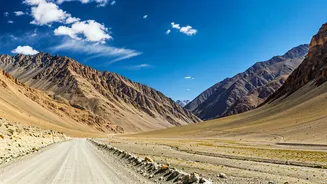
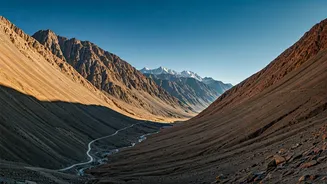
these towering peaks, the clouds are forced to dump their rain on the southern slopes. By the time the air crests the mountains and descends into valleys like Spiti on the other side, it is stripped of its moisture. The result is a cold, high-altitude desert landscape that receives minimal rainfall, even as the world just a few hundred miles south is inundated. For travelers, this means clear blue skies, brilliant sunshine, and open roads at a time when many other Himalayan destinations are inaccessible due to landslides and downpours.
A Landscape from Another World
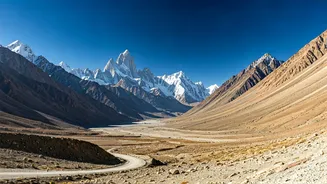
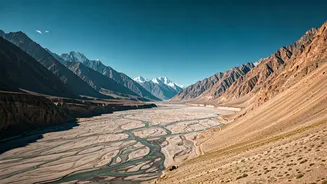
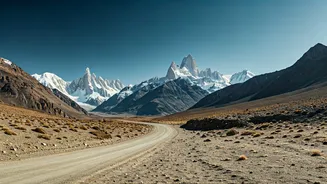
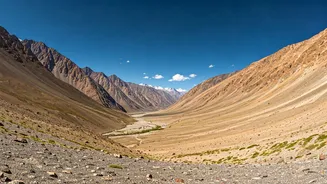
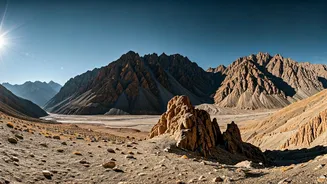
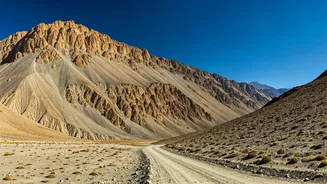
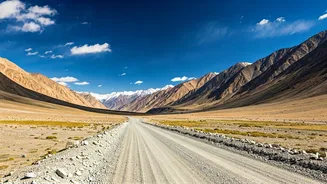
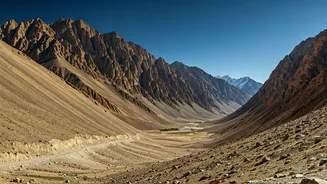
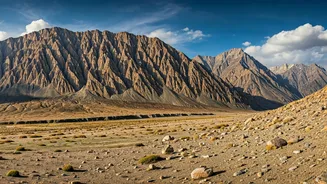
Calling Spiti beautiful feels like an understatement; it’s otherworldly. The scenery is a breathtaking canvas of stark, dramatic contrasts. Jagged, barren mountains in shades of brown, purple, and beige rise up to meet impossibly deep blue skies. Down below, the bright turquoise Spiti River carves its path through the wide valley floor, flanked by small patches of vibrant green barley fields—the only color in a magnificent panorama of earth and rock. The air is thin and crisp, and the silence is profound, broken only by the wind or the distant chime of a monastery bell. This is not the lush, green landscape most people associate with mountains. Instead, it’s a place of raw, powerful, and minimalist beauty that makes you feel like you’ve landed on a different planet.
Ancient Monasteries and Living Culture
Perched precariously on cliffs and hilltops are the valley’s true cultural treasures: ancient Tibetan Buddhist monasteries. These are not museum pieces but living centers of faith and community. The most famous, Key (or Kye) Gompa, is a sprawling, fortress-like complex that looks like it has grown organically out of the hillside. Dating back over a thousand years, it’s a labyrinth of prayer halls, narrow corridors, and rooms filled with ancient murals and thangkas (scroll paintings). Other essential visits include Tabo Monastery, a UNESCO World Heritage site known as the "Ajanta of the Himalayas" for its stunning, well-preserved frescoes, and the Dhankar Monastery, which clings to a rocky spur 1,000 feet above the valley floor, offering dizzying views and a deep sense of peace. Visiting these monasteries offers a rare glimpse into a resilient culture that has thrived in this isolated land for centuries.
Adventures in the High Desert
Spiti's unique terrain is a playground for the adventurous. With the weather in June being clear and stable, it’s the ideal time for trekking, from short day hikes to multi-day expeditions into side valleys. You can also drive to some of the highest inhabited villages in the world, like Komic (home to the world's highest post office, they claim) and Hikkim, where you can send a postcard from over 14,000 feet. A side trip to the stunning Chandratal Lake, or "Moon Lake," is a must. This crescent-shaped body of water, nestled in a glacial bowl, changes color from turquoise to emerald throughout the day. At night, with zero light pollution, the sky over Spiti transforms into one of the most brilliant stargazing locations on Earth, with the Milky Way visible in breathtaking clarity.
The Journey Is Part of the Adventure
Getting to paradise is rarely easy, and Spiti is no exception. The journey is long, rugged, and requires patience. The main entry routes are via two of the world's most treacherous—and spectacular—roads: one from Manali (open only from late May/early June) and a longer, more gradual route from Shimla. Both involve days of driving on winding, high-altitude roads. Acclimatization is crucial, as the valley floor sits at an average elevation of over 11,000 feet. Accommodations are simple, consisting mostly of family-run guesthouses and homestays that offer warmth and authenticity over luxury. But for those willing to embrace the challenge, the journey itself—with its jaw-dropping views and sense of accomplishment—becomes an integral part of the unforgettable Spiti experience.