


So, What Exactly Is It?
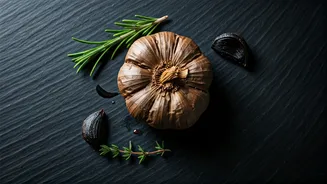
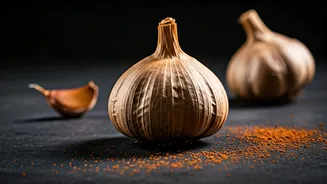
First, let's clear up a common misconception: black garlic isn't a special variety grown in a Transylvanian garden. It's regular garlic (Allium sativum) that has undergone a remarkable transformation. Through a weeks-long process of controlled low heat
and high humidity, the cloves slowly age. This isn't fermentation, which involves microbial action, but rather a series of chemical changes driven by the Maillard reaction—the same process that gives a seared steak its crust and toast its color. Over time, the garlic's sharp, pungent compounds break down, and its natural sugars caramelize. The cloves turn soft, jet-black, and develop a completely new personality, shedding their aggressive bite for something far more complex and alluring.
Why All the Buzz Now?
Black garlic isn't exactly new; it has roots in Asian cuisines and has been a prized ingredient for centuries. For years in the U.S., it was a secret weapon tucked away in the pantries of four-star restaurants, a cheffy touch that added an indefinable depth to sauces and purees. Its appearance on cooking shows like *Top Chef* and *Iron Chef* helped build its mystique. But the real shift happened when it became accessible. Once a specialty item you had to order online, black garlic is now showing up in major grocery stores like Trader Joe's, Whole Foods, and even Costco. This leap from fine dining to the mainstream shelf means home cooks can finally experiment with the ingredient they've seen chefs rave about, making it a genuine topic of conversation around the dinner table.
The Flavor You Can't Quite Place
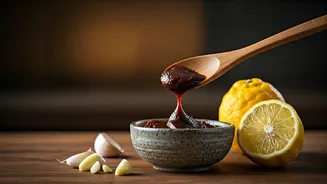
Describing the taste of black garlic is like trying to describe a new color. It bears almost no resemblance to its raw, pungent ancestor. The aggressive heat is gone, replaced by a delicate, mellow sweetness reminiscent of dates or figs. Underneath that sweetness is a deep, savory umami punch that brings to mind soy sauce, mushrooms, or rich beef broth. There's also a tangy, acidic note, like a well-aged balsamic vinegar, that rounds out the flavor profile. The texture is equally surprising. Instead of crisp and firm, the cloves are soft, sticky, and spreadable, with a consistency similar to a roasted-garlic paste or a fruit gummy. It’s this complex, sweet-and-savory character that makes it such a versatile and compelling ingredient.
How to Use It Without Messing It Up
The beauty of black garlic is that a little goes a long way, and it’s surprisingly hard to get wrong. Because its flavor is already developed, you can use it raw or cooked. The easiest way to start? Mash a few cloves with softened butter and a pinch of salt, then spread it on toast for the most incredible garlic bread of your life. For an instant flavor upgrade, whisk a mashed clove into a simple vinaigrette, blend it into mayonnaise for a next-level aioli for fries, or stir it into sour cream for a game-changing dip. You can also toss a whole clove into a simmering soup, stew, or pan sauce to add a layer of umami depth. Think of it less as 'garlic' and more as a 'flavor concentrate'—a secret weapon to make everything taste a little richer, deeper, and more interesting.