



The End of the Instagram Retreat
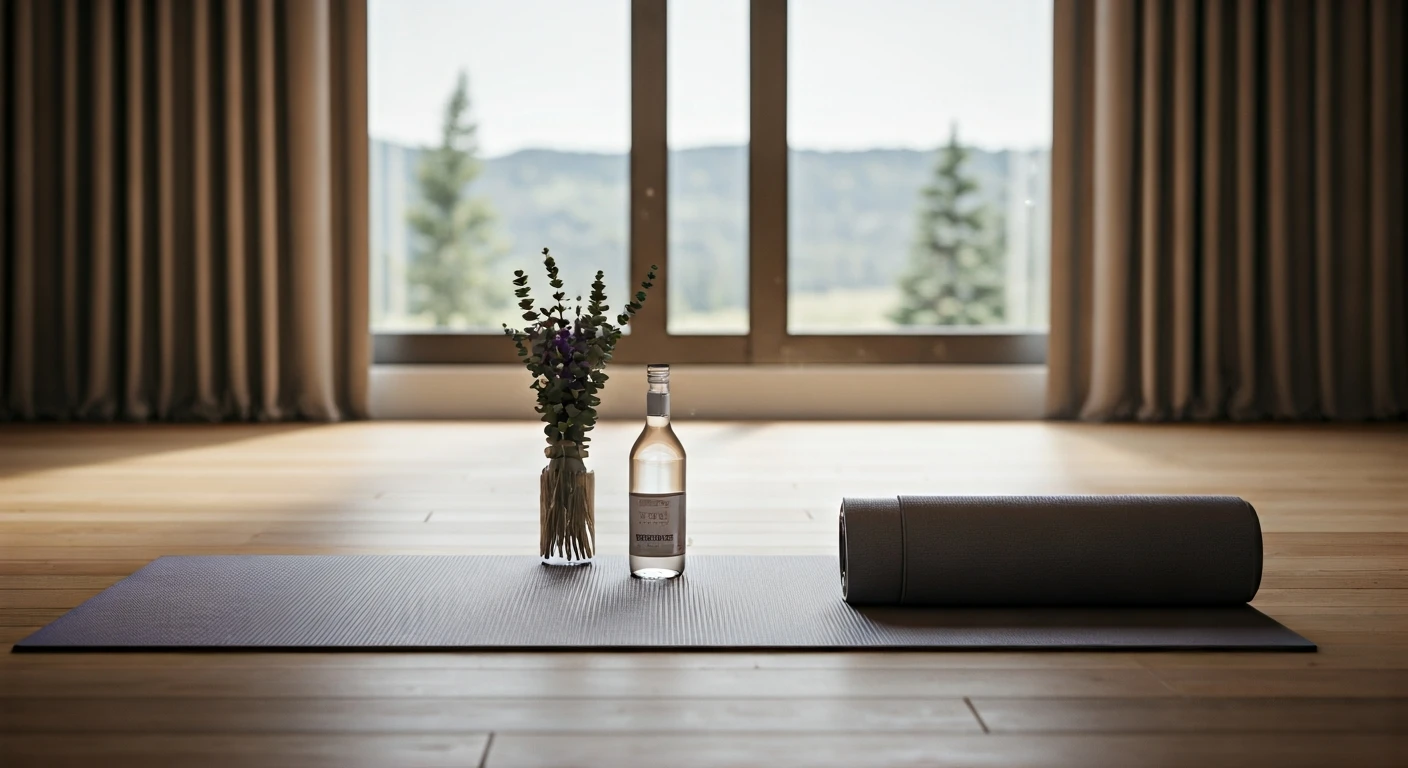
Let’s be honest: the açaí bowl was never the point. For a time, however, the aesthetics of wellness were a powerful draw. A scroll through social media feeds from a few years ago reveals a sea of pristine, almost sterile, retreat environments—beautiful
people in beautiful places, performing beauty. But the sheen has worn off. Travelers who once sought a photogenic escape are now questioning the substance behind the scenery. After years of curated perfection online, a collective exhaustion has set in. The desire isn't just to look well on camera, but to genuinely *feel* well, long after the tan lines have faded. This signals a major market correction, a pivot from performative wellness to participatory healing. The new luxury isn't a flawless photo; it's a meaningful, and perhaps even messy, experience.
From Relaxation to Real Transformation
The new wellness traveler isn't just looking to unplug; they're looking to rebuild. The demand has shifted from passive relaxation (massages and poolside lounging) to active transformation. This takes many forms. Some retreats are becoming more like temporary schools, offering workshops where guests learn tangible skills like somatic breathwork, sustainable farming, or even advanced meditative practices. Others are leaning into mental and emotional health, creating safe spaces to process grief, burnout, or major life transitions with the guidance of licensed therapists and counselors. This is a far cry from a simple digital detox. It’s a proactive rewiring. The goal is no longer just to return home feeling 'rested,' but to return home with new tools, a new perspective, and a clearer sense of purpose. Some high-end offerings are even incorporating biometric tracking and consultations with medical experts, providing data-driven proof of the body’s internal shifts.
Seeking Connection, Not Just Seclusion
The classic image of a wellness retreat often involves solitude: a lone figure meditating on a mountaintop. While introspection remains key, the new trend reframes it within a community context. Travelers are increasingly rejecting the isolated, bubble-like nature of luxury compounds in favor of experiences that foster genuine human connection. This includes connecting with fellow travelers on a deeper level through shared challenges and vulnerable conversations. But more importantly, it means connecting with the local culture. Instead of being cordoned off, travelers want to engage. They're choosing trips that partner with local artisans, healers, and guides. They want to understand the history of the land they're on, eat at family-run establishments, and feel that their presence is part of a respectful exchange, not a transactional visit. The resort wall is coming down, replaced by a bridge to the community outside.
Wellness with a Conscience
You can't truly feel good if you suspect your vacation is doing bad. As travelers become more conscious consumers in their daily lives, those values are extending to their travel plans. A pretty view is tarnished if the resort has a massive carbon footprint or exploits local resources. Consequently, sustainability is no longer a 'nice-to-have' marketing buzzword; it’s a non-negotiable for a significant portion of the wellness travel market. These travelers are asking tough questions before they book: Is the food locally sourced and organic? How is water being conserved? Are employees paid a fair, living wage? Do you support community projects? This demand for 'clean' travel—environmentally and ethically—is forcing the industry to become more transparent and accountable. The ultimate wellness experience is one that nurtures the guest, the community, and the planet simultaneously.