





The Humanization of Our Pets
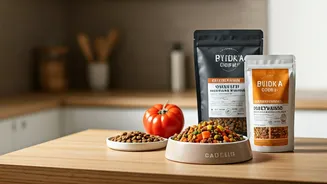
Walk down the pet food aisle, and you’ll see words you’re used to finding in the human health food section: “human-grade,” “whole foods,” “kettle-cooked,” and “non-GMO.” This isn’t an accident. The single biggest driver behind the pet food revolution
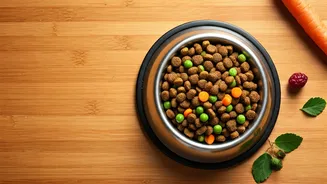
is the “humanization” of our pets. More than ever, Americans view their dogs and cats not just as animals, but as furry, four-legged members of the family. This emotional shift has profound commercial consequences. If you’re trying to eat cleaner, unprocessed foods, it’s a short leap to wanting the same for your beloved companion. Pet owners, particularly Millennials and Gen Z, are applying their own wellness values to their pets' bowls. They’re scrutinizing ingredient labels, questioning fillers like corn and soy, and seeking out foods that look less like processed cereal and more like, well, actual food.
A Tour of the New Pet Pantry
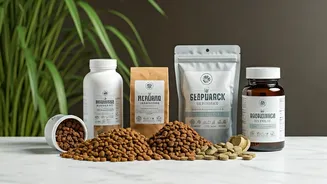
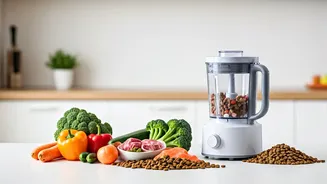
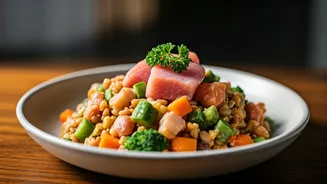
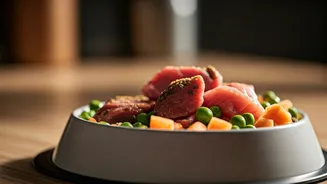
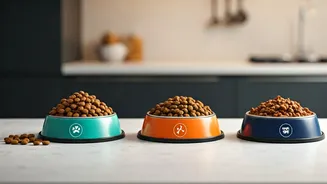
So, what are the alternatives to the big bag of kibble? The market is exploding with options that fall into a few main categories. First, there’s fresh, refrigerated food. Often sold in logs or pre-portioned packs, these meals are gently cooked to preserve nutrients and look like a savory stew of meat and vegetables. They require refrigeration and are typically sold via subscription services. Next up is freeze-dried and dehydrated raw food. This offers the nutritional benefits many associate with a raw diet but in a safer, more convenient, shelf-stable format. You just add water to rehydrate it. True raw food diets, composed of uncooked meat, bones, and organs, also have a dedicated following, though they require careful handling. Finally, niche innovations are popping up everywhere, from custom-formulated kibble based on your pet’s DNA to sustainable, high-protein foods made from insect larvae.
But Is It Actually Better?
This is the million-dollar question, and the answer is complicated. Proponents of these new-wave diets point to potential benefits like shinier coats, improved digestion, and better energy levels, largely because these foods are often more palatable and less processed. Many owners who make the switch rave about the results. However, the veterinary community urges a more cautious, evidence-based approach. While traditional kibble may seem boring, high-quality versions are formulated to be nutritionally complete and balanced, backed by decades of research and feeding trials. Veterinarians often express concern about the risks associated with raw diets, such as bacterial contamination (salmonella, listeria) that can sicken both pets and the humans handling the food. They also warn that not all boutique diets meet the nutritional standards set by the Association of American Feed Control Officials (AAFCO). A diet lacking essential nutrients can cause serious long-term health problems.
The Sticker Shock Is Real
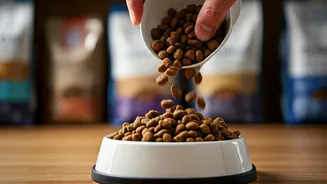
There’s no delicate way to put it: feeding your pet a diet of fresh, freeze-dried, or raw food is significantly more expensive than feeding them kibble. The cost can be two to five times higher, or even more, depending on the brand and the size of your pet. For a large-breed dog, a fresh food subscription could easily run into several hundred dollars a month. Beyond the financial commitment, there’s the issue of convenience. Kibble is the definition of “scoop and serve.” Fresh food requires refrigerated storage space and careful portioning. Raw food demands meticulous food safety practices. For many busy households, the sheer practicality and affordability of high-quality kibble will continue to make it the most logical choice. These newer options present a trade-off between perceived quality, cost, and convenience that every pet owner has to weigh for themselves.