
The End of the ‘Diet’ Era
For years, the concept of a “diet” in urban India often meant one of two things: either a direct import of restrictive Western fads—think joyless calorie counting and low-fat everything—or a bland, stripped-down version of Indian home cooking, where oil,
salt, and spices were treated as villains. Meals became medicinal, a necessary evil on the path to weight loss. But for a generation that grew up with global food exposure via the internet and a renewed pride in local culture, that approach was never going to last. They began asking a simple but revolutionary question: Why can’t the food that’s good for us also taste incredible?
Defining Flavour Forward Wellness
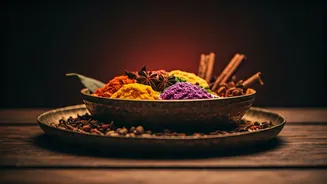
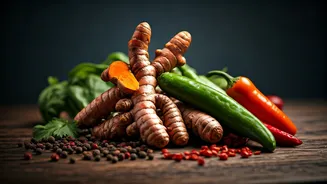
This new movement isn’t about subtraction; it’s about smart addition and reinterpretation. “Flavour forward wellness” is built on the idea that India’s vast culinary heritage is already a treasure trove of health. The focus is on maximizing taste and nutritional density using spices, herbs, and traditional cooking methods. Turmeric, ginger, cumin, and coriander aren't just flavorings; they’re anti-inflammatory, digestive powerhouses. This new philosophy also involves a modern, less rigid take on ancient wellness systems like Ayurveda. Instead of following strict Ayurvedic rules, young Indians are incorporating its principles into their daily lives—adding adaptogens like ashwagandha to their smoothies or starting their day with spiced water, not as a prescription, but as a lifestyle choice.
Ancient Grains on Modern Plates
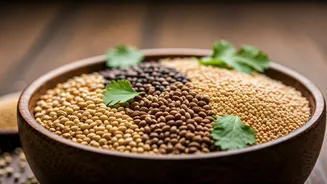
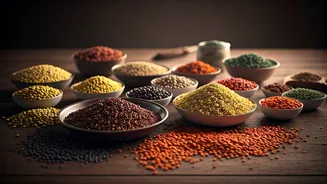
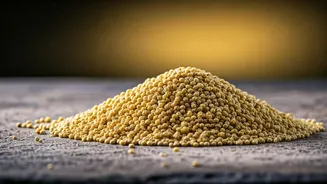
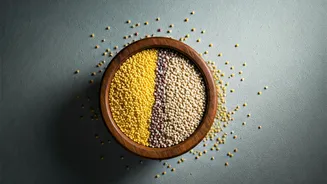
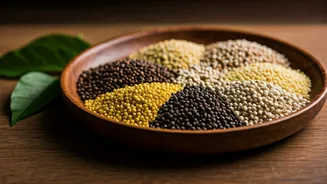
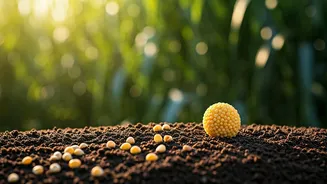
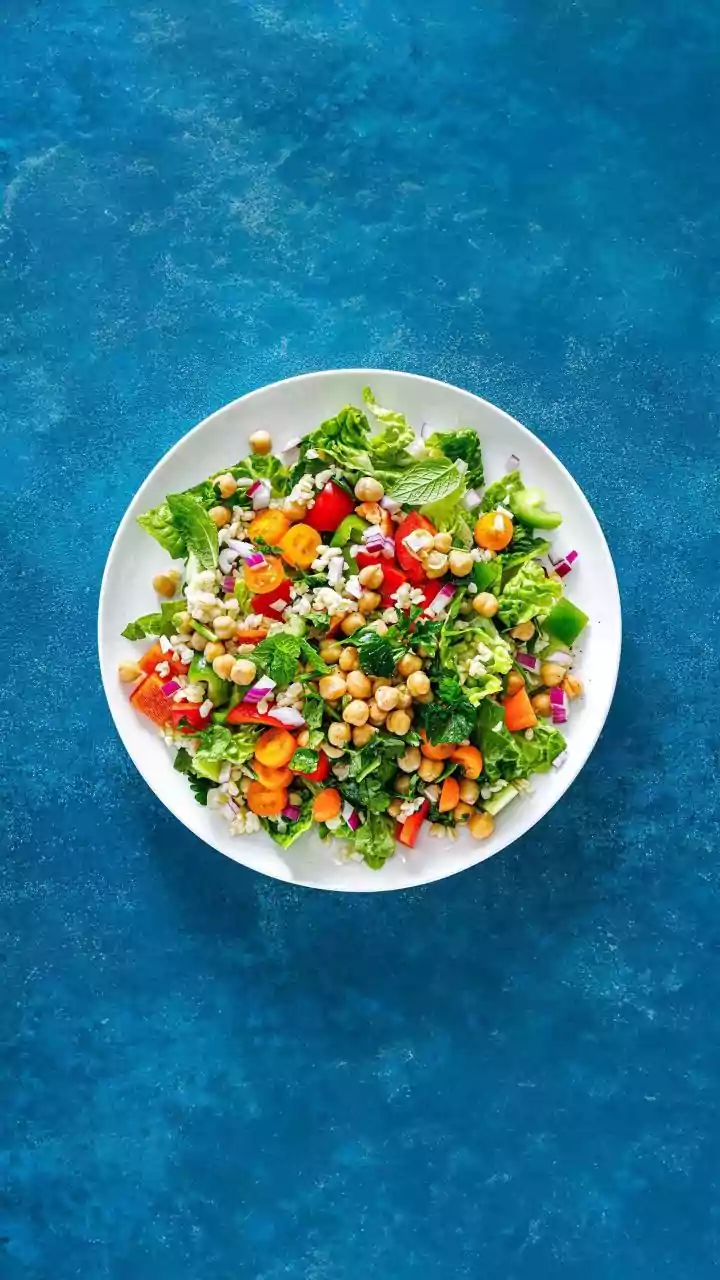
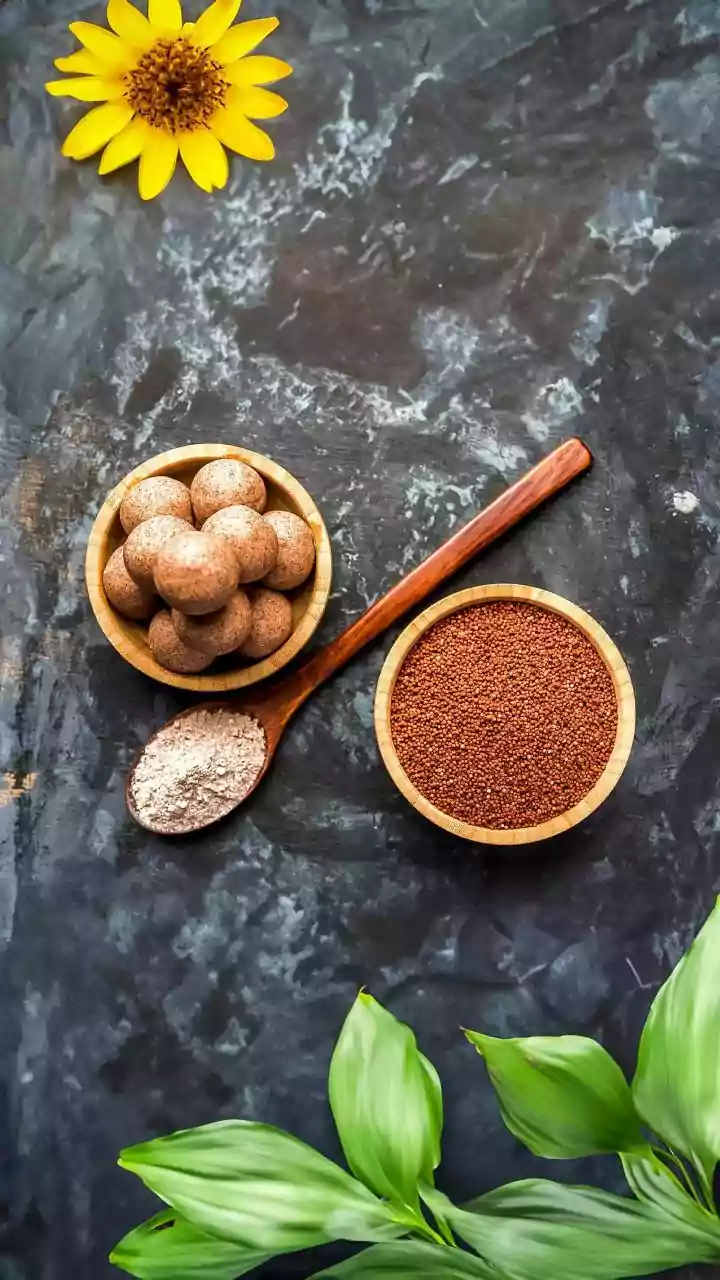
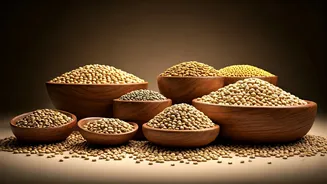
Nowhere is this shift more visible than in the triumphant return of ancient grains. For decades, polished white rice and refined wheat flour dominated the urban Indian plate. Millets—like jowar (sorghum), bajra (pearl millet), and ragi (finger millet)—were often seen as rural, old-fashioned, or “poor people’s food.” Today, they are the heroes of the modern wellness kitchen. Rich in fiber, protein, and micronutrients, these naturally gluten-free grains are being transformed. You’ll find ragi pancakes on trendy café menus in Mumbai, millet bowls replacing quinoa salads in Bengaluru, and artisan bakeries selling sourdough bread made with a blend of local millets. It’s a powerful reclamation of agricultural heritage, reframed for a health-conscious, globalized palate.
The Instagram-Ready Health Scene
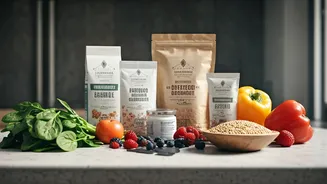
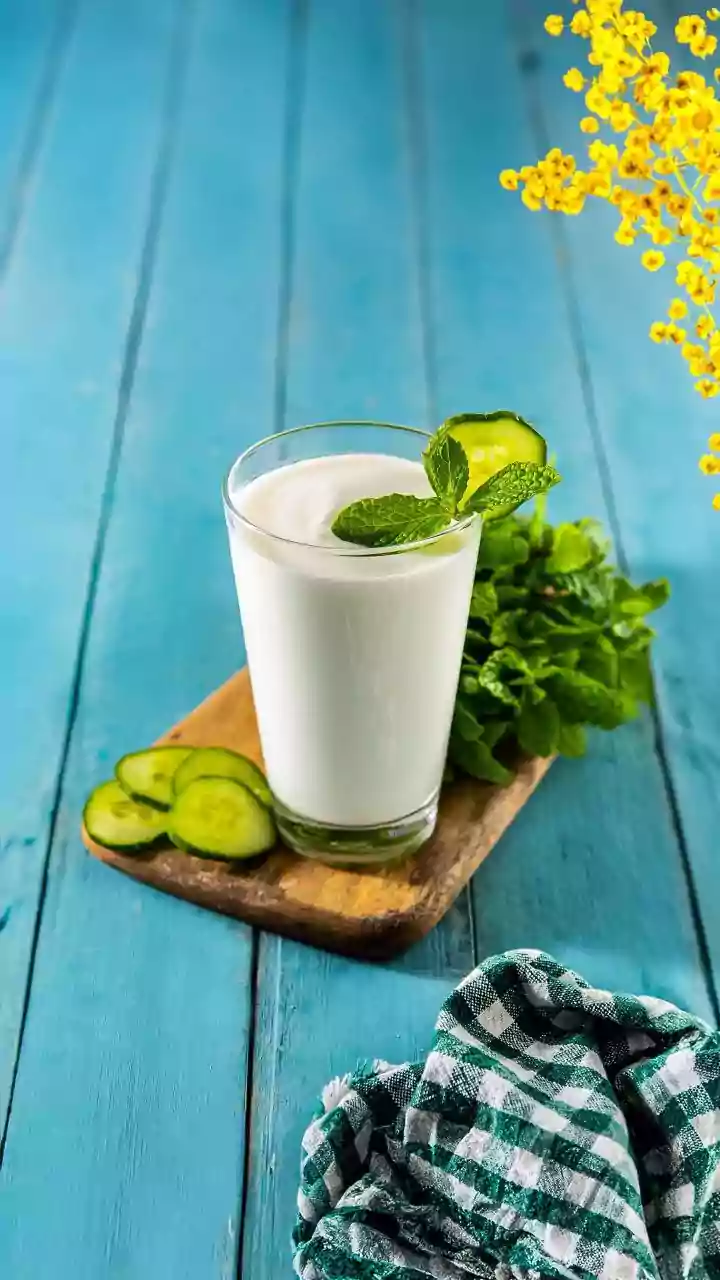
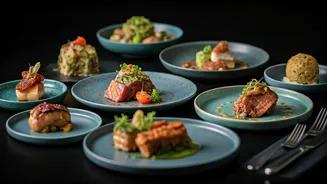
This isn't just a home-cooking phenomenon. A vibrant ecosystem of startups and cafes has emerged to cater to this demand. Walk into a health-food spot in Delhi or Hyderabad, and you’ll see smoothie bowls topped with chia seeds and local berries, cold-pressed juices featuring amla (Indian gooseberry) and beetroot, and shelves stocked with gourmet snacks like roasted makhana (fox nuts) in peri-peri or truffle-oil flavors. These brands have mastered the art of making health look good. Their packaging is minimalist and chic, their social media feeds are curated and aspirational, and their products deliver on the promise of being both clean-label and delicious. They are successfully positioning wellness not as a chore, but as a cool, desirable lifestyle.
A Statement of Cultural Confidence
Ultimately, this trend is about more than just what’s for dinner. It’s a statement of identity. For a long time, progress and modernity in India were tied to Westernization. This new food culture pushes back on that notion. It asserts that local traditions aren't obstacles to be overcome but are, in fact, the foundation for a superior, more sustainable, and far more enjoyable way of living well. It’s about creating a modern Indian identity that is globally aware but deeply rooted in its own culture. By making dal more delicious and sabzi more exciting, young Indians are not just improving their health; they are proudly crafting a version of wellness that is authentically their own.