





Contain the Daily Mess
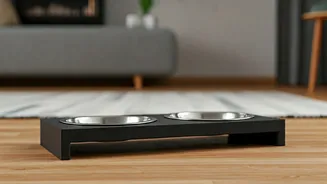
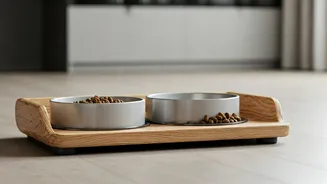
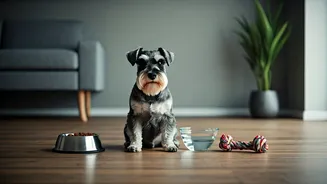
The most immediate benefit of a feeding station is containment. Instead of two separate bowls sliding across the floor, pushed by an enthusiastic nose, a station holds everything in one place. Most designs feature a tray or a recessed surface that catches
stray kibble and water splashes before they hit your floor. This simple change means no more stepping on rogue pieces of food or sliding on a puddle of water. Your daily cleanup is transformed from a floor-wide hunt for messes into a quick wipe of a single, designated surface. It’s a small victory that, over time, feels like a major upgrade in your home’s cleanliness and your personal sanity. The station creates a boundary, defining the 'eating zone' and keeping the associated mess within it.
Establish a 'Dining Room' for Your Pet
A well-organized home relies on the principle of having a place for everything. A feeding station applies this logic to your pet’s daily routine. By creating a dedicated spot for meals, you’re not just organizing bowls; you're carving out a specific, intentional space for your pet's activity. This visual tidiness contributes to a calmer, more orderly feeling throughout your home. It signals that this corner of the kitchen or mudroom has a purpose. This also helps your pet. Animals thrive on routine and predictability, and having a consistent spot for food and water reinforces that structure. It becomes their personal dining nook, a place they associate with the comfort and reliability of mealtime, reducing any anxiety they might have around feeding.
Upgrade Your Pet's Dining Experience
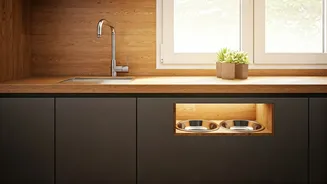
Modern feeding stations are designed with more than just human convenience in mind; they often provide significant ergonomic benefits for your pet. Elevated feeders are a prime example. For large, senior, or arthritic dogs, raising the bowls to a comfortable height can reduce strain on the neck, shoulders, and joints. This makes swallowing easier and can improve digestion by allowing gravity to help move food down the esophagus. Similarly, slow-feeder stations, which feature built-in mazes or obstacles, are perfect for cats and dogs that inhale their food. By forcing them to eat more slowly, these stations can help prevent bloating, vomiting, and other digestive issues. It's a way to show you care not just about a tidy floor, but about your companion’s long-term health and comfort.
Integrate Function with Style
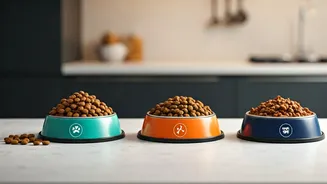
Gone are the days when your only options were a pair of mismatched metal bowls on a stained plastic mat. Today’s feeding stations are designed to be part of your home decor. You can find options in a vast array of materials and styles to complement your aesthetic. A minimalist home might opt for a sleek, wall-mounted feeder in white or stainless steel. A rustic farmhouse kitchen would be the perfect setting for a station made of reclaimed wood. There are even elegant ceramic and marble options that look less like pet accessories and more like intentional design choices. By selecting a feeding station that matches your decor, you elevate it from a purely functional item to a piece that actively enhances your home’s style, proving that a pet-friendly home can also be a beautifully organized one.
Automate for Ultimate Order
For the ultimate in organization, consider an automatic feeding station. These tech-savvy devices take the mental load out of mealtime by dispensing precise portions of food at pre-programmed times. This is organization on a schedule. It ensures your pet is fed on time, every time, even if you’re running late from work or want to sleep in on a Saturday morning. This consistency is great for your pet’s health, helping to manage their weight and maintain a strict feeding routine recommended by a vet. For you, it removes one more task from your daily checklist, freeing up mental space and ensuring the feeding process is seamless, orderly, and entirely hands-off.