


First, Know Your Stage
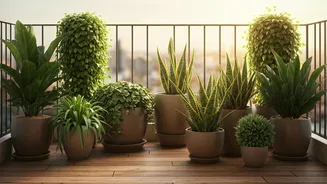
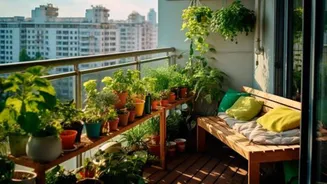
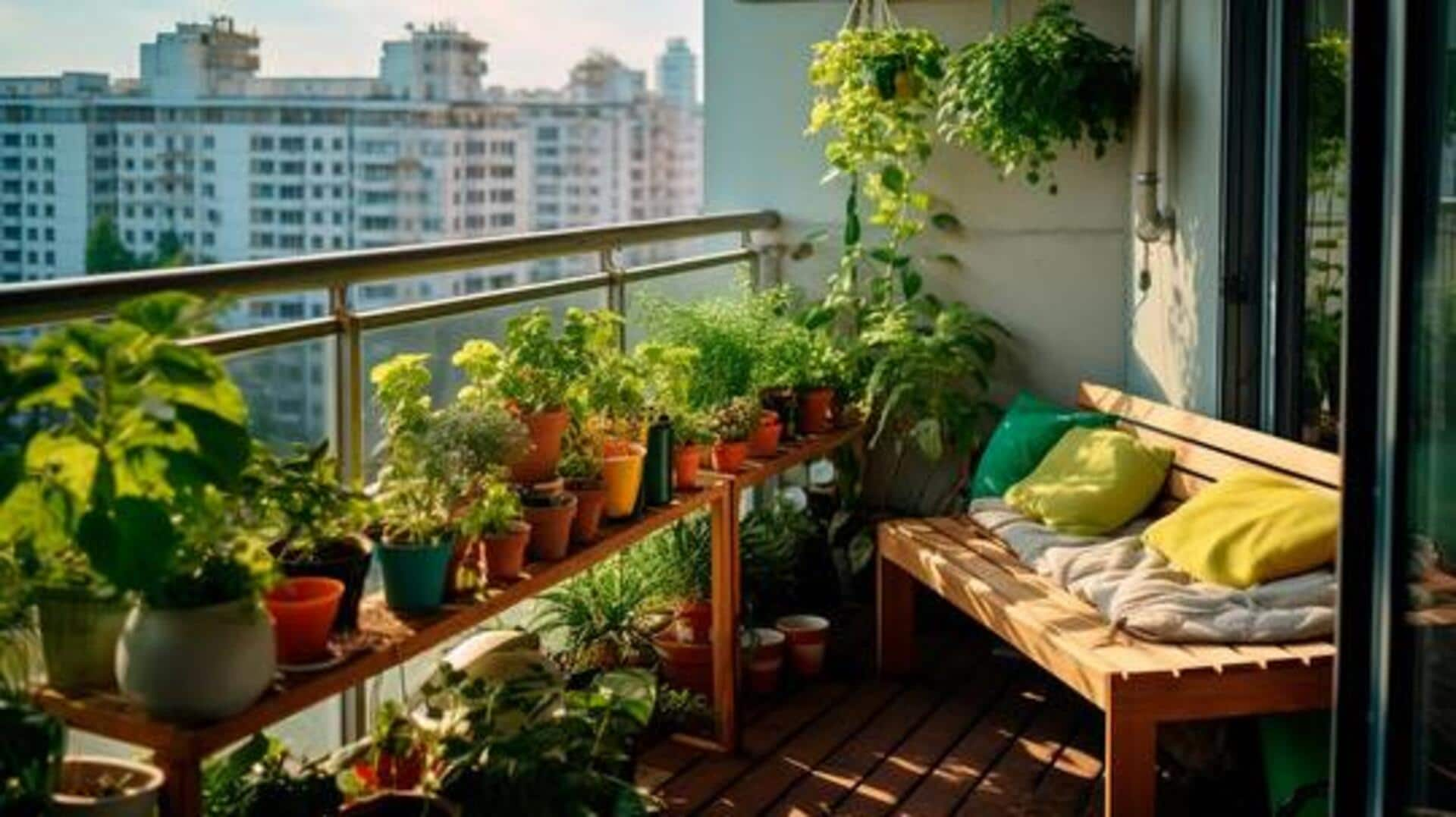
Before you buy a single plant, you need to understand your balcony’s specific environment. This is the single most important step to avoiding drama. Spend a few days observing: How many hours of direct sunlight does it get? Is it a sun-drenched southern
exposure or a shady northern nook? Is it windy? A wind-blasted corner will dry out soil and stress delicate leaves much faster than a sheltered spot. Also, consider your access to water. Is there a spigot nearby, or will you be hauling a watering can through your living room? Answering these questions honestly will guide you to plants that will naturally thrive, not just survive.
The Indestructible Succulent
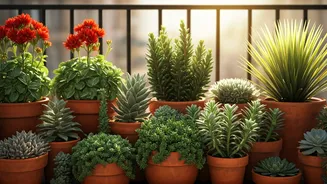
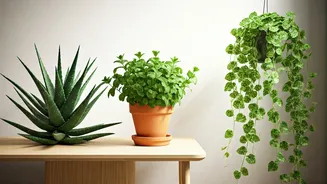
If your balcony is a sun-baked desert, don’t fight it—lean into it. Succulents, like Echeveria, Sedum, or Sempervivum (commonly called “hens and chicks”), are born for this. They store water in their leaves, making them incredibly drought-tolerant. Their compact size is perfect for small containers and shallow pots. They only ask for two things: bright, direct sunlight and soil that drains extremely well. Overwatering is their only real enemy. Pot them in a cactus/succulent mix, water them thoroughly only when the soil is completely dry, and then forget about them. They’ll reward your strategic neglect with fascinating shapes and colors.
The Low-Light Champion: Snake Plant
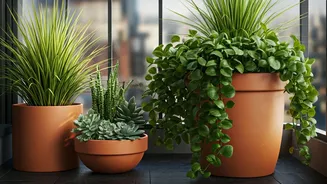
Have a shady, forgotten corner? The Snake Plant (Sansevieria) is your star player. This plant is legendary for its ability to tolerate low light and infrequent watering. Its tall, architectural leaves add a modern, structural element to any space. It’s the houseplant you’ve probably seen thriving in a dim office lobby, and that same resilience makes it perfect for a balcony that doesn't get much sun. Like succulents, snake plants are prone to root rot, so err on the side of underwatering. They are the definition of a set-it-and-forget-it plant, looking sharp even when you’re on vacation.
The Cascading Classic: Pothos
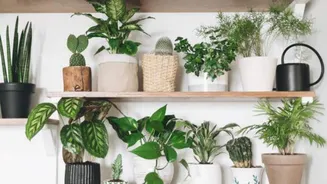
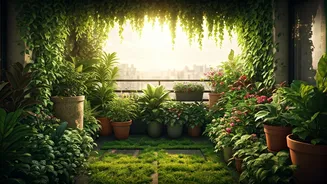
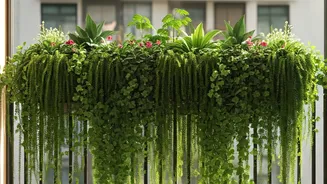
Want that lush, trailing, jungle vibe? Look no further than the Golden Pothos. This vining plant is famously easygoing and a fast grower, giving you a satisfying sense of accomplishment. It’s adaptable to a wide range of light conditions, from bright indirect light to lower-light spots (though its variegation may fade in deep shade). Pothos is also great at communicating its needs; its leaves will start to look a little soft and droopy when it’s thirsty. A good drink, and it perks right back up. It’s the perfect plant for hanging baskets or for placing on a shelf where its vines can cascade down dramatically.
The Flavorful Forgiver: Hardy Herbs
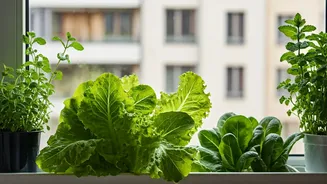
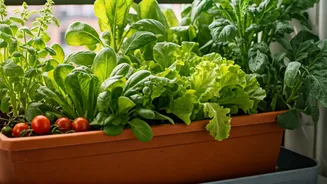
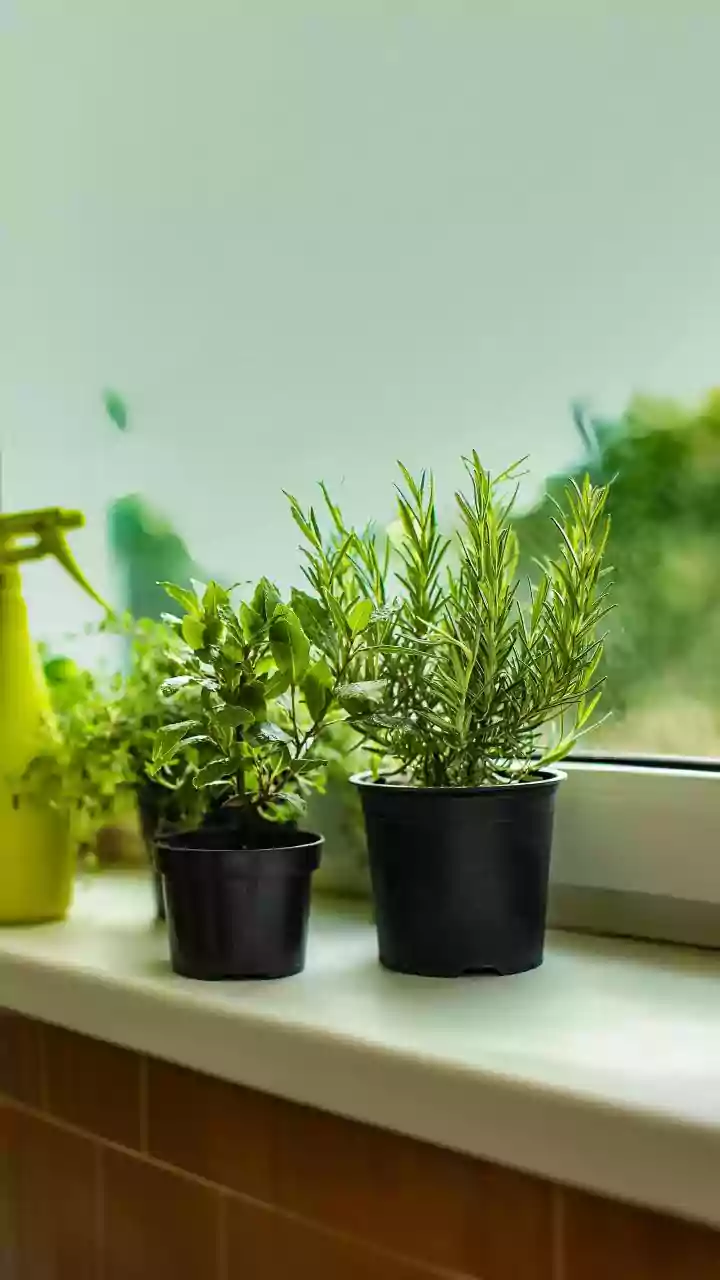
Why not have a plant that pulls double duty? Many herbs are surprisingly tough and well-suited for container life. For sunny balconies, rosemary is a fantastic choice. It loves heat, tolerates dry spells, and its woody stems can handle a bit of wind. For a slightly less sunny spot that still gets good light, mint is practically indestructible—so much so that it’s best kept in a container to prevent it from taking over. Both provide wonderful fragrance and are ready for you to snip off a few leaves for a cocktail or a home-cooked meal. They offer a huge sensory reward for very little effort.
The Cheerful Survivor: Geraniums
If you crave color but dread the constant deadheading and watering that divas like petunias demand, consider the humble geranium (Pelargonium). These mainstays of American porches are popular for a reason: they are tough. They thrive in full sun, tolerate heat, and can handle being a bit dry between waterings. They produce cheerful clusters of flowers in red, pink, white, and purple all summer long. While they look better with a little care—snapping off spent blooms encourages new ones—they will forgive you if you forget for a week or two. They offer the visual punch of a high-maintenance flower without the demanding schedule.