

Welcome to Ranthambore
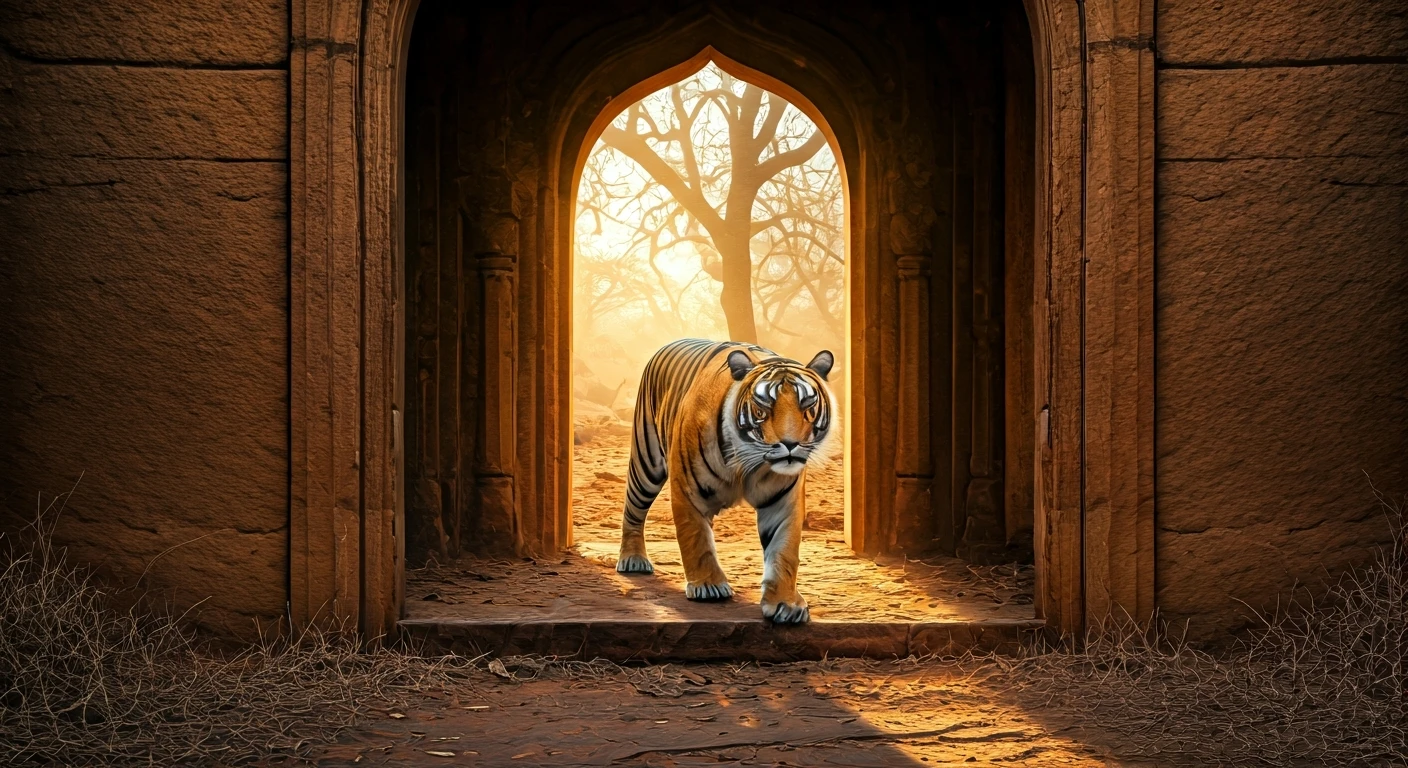
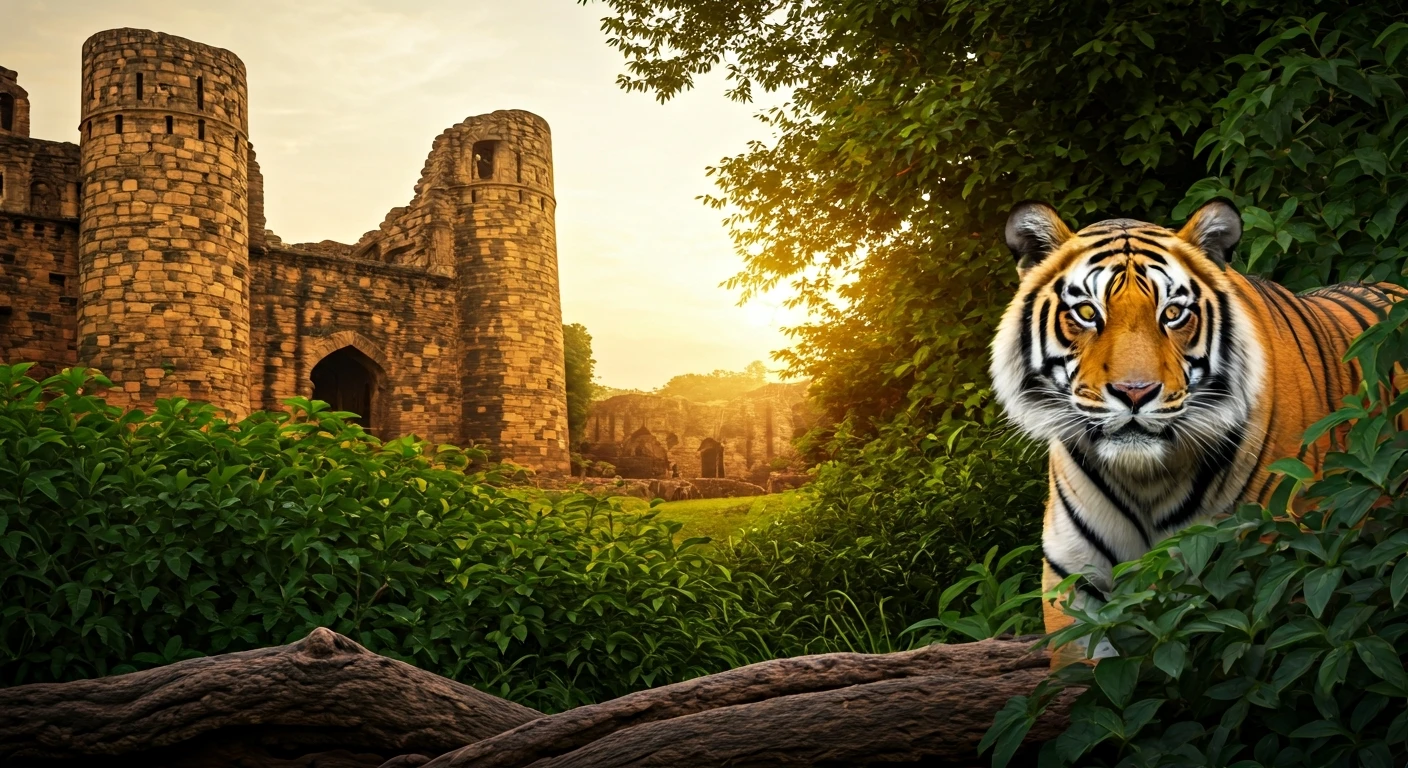
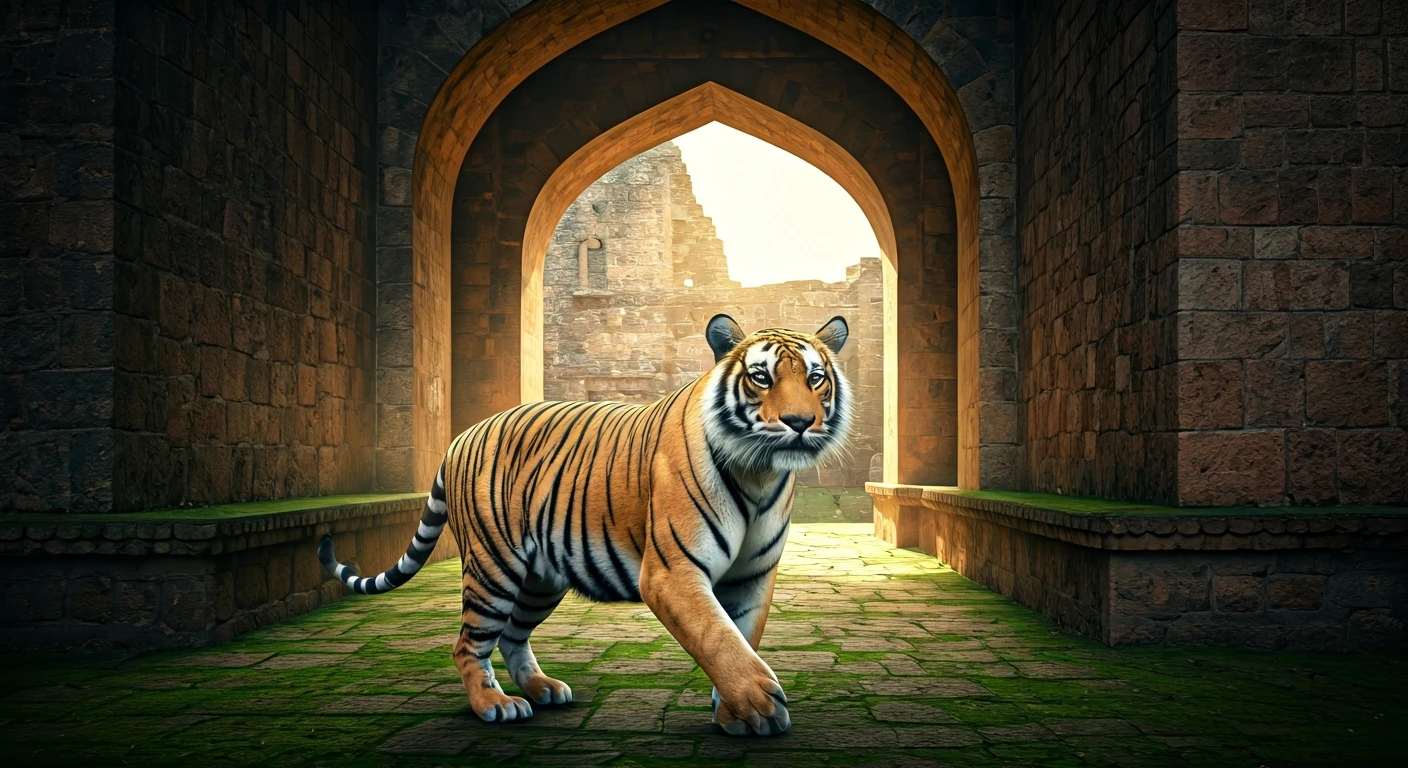
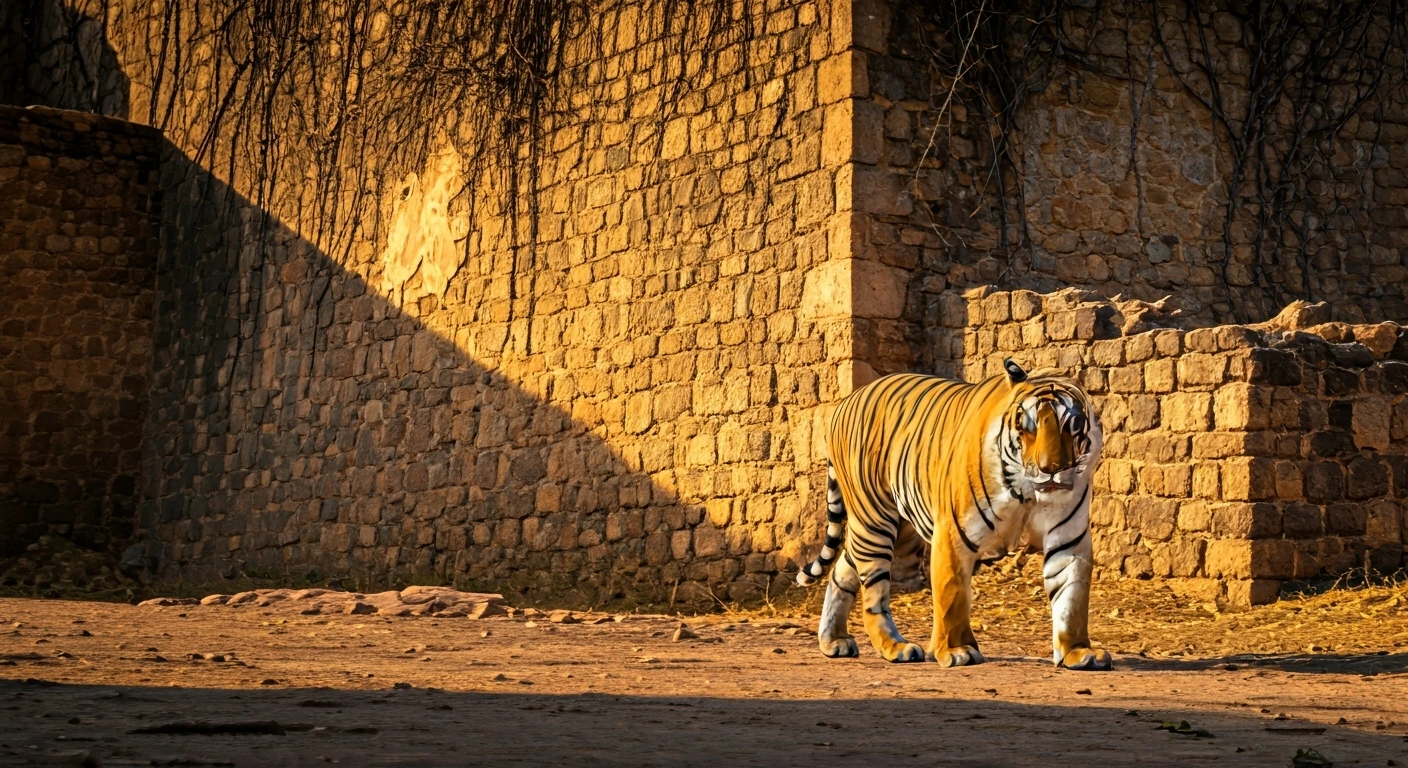
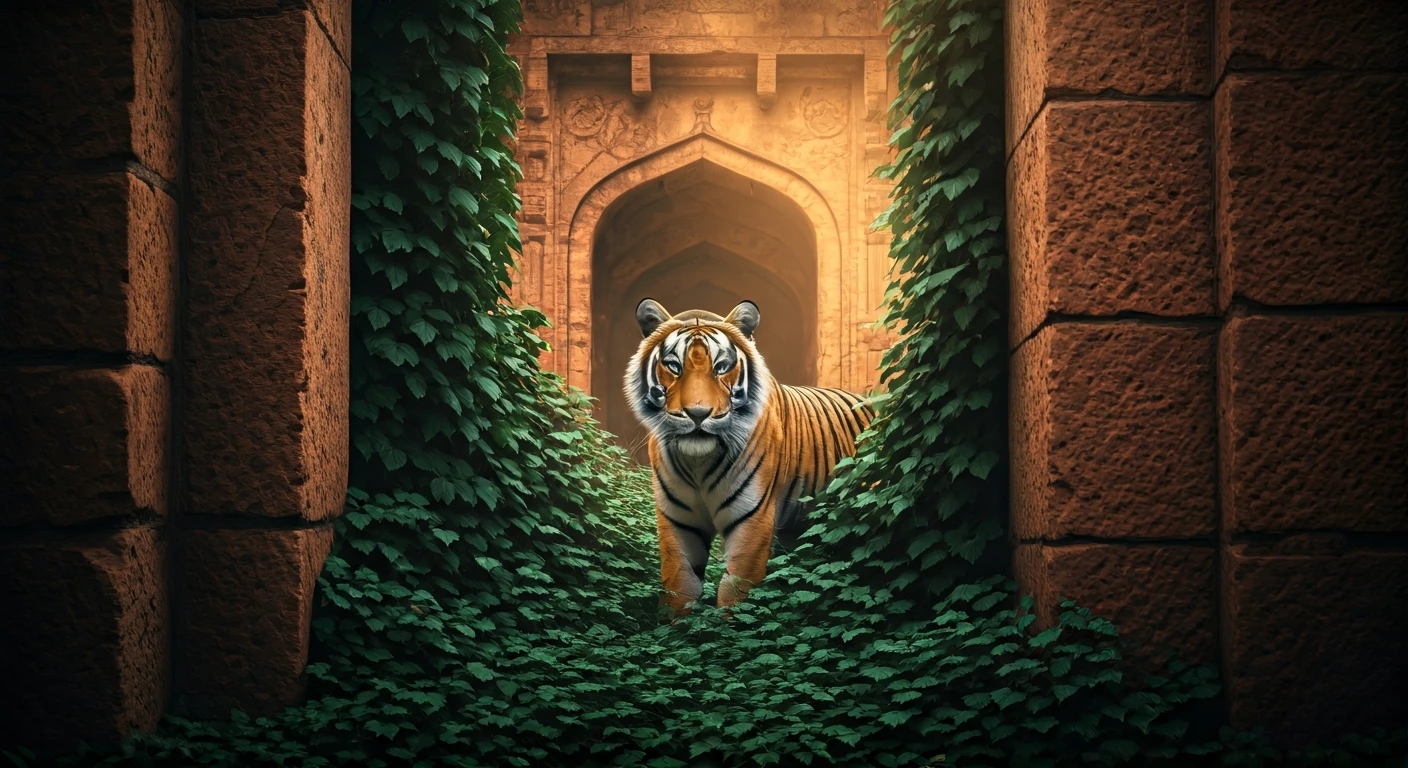
Forget the Serengeti for a moment and picture this: a rugged, dry deciduous forest in Rajasthan, northern India. At its heart sits a massive 10th-century fort, its ancient walls and temples now patrolled by peacocks and monkeys. This is Ranthambore National
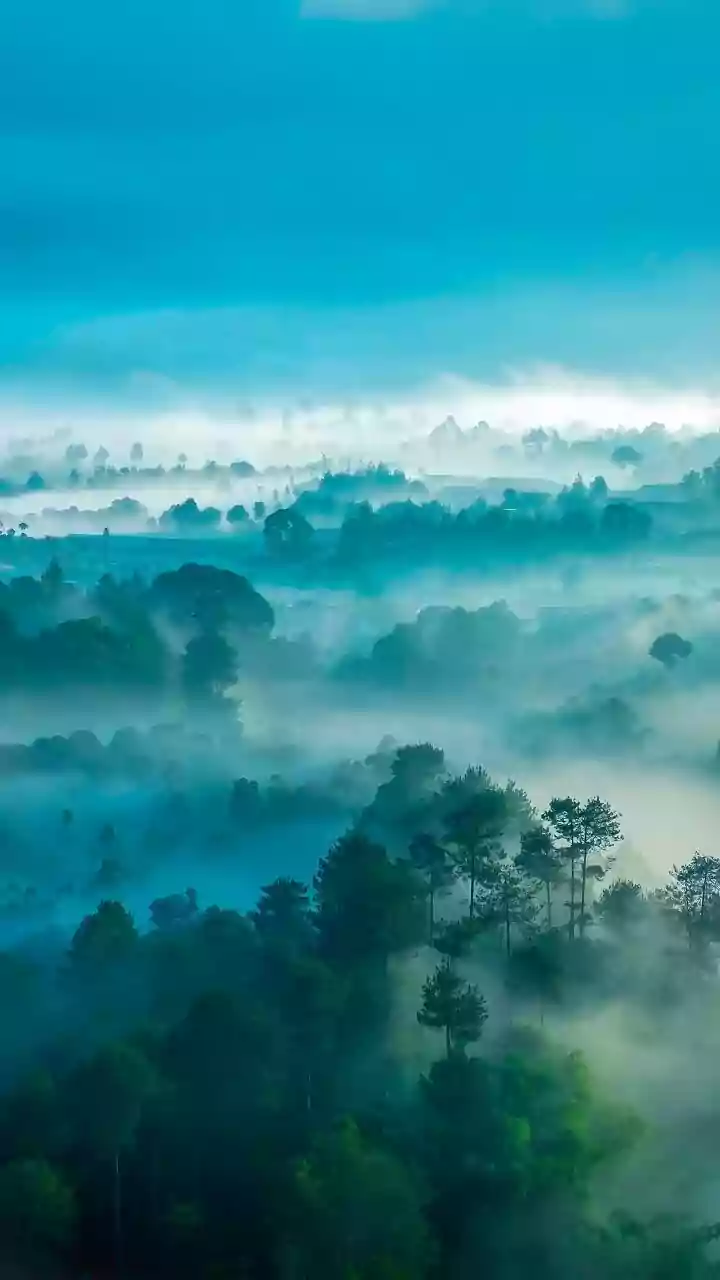
Park, a former private hunting ground for maharajas that has become one of the most famous wildlife sanctuaries in the world. The landscape itself is a character in the story—a dramatic mix of rocky cliffs, serene lakes, and dense dhok tree forests. Unlike the wide-open vistas of many African parks, Ranthambore’s terrain creates a safari experience that feels more like a thrilling treasure hunt, with every turn in the dusty track holding the potential for a stunning reveal.
The Undisputed Star: The Bengal Tiger
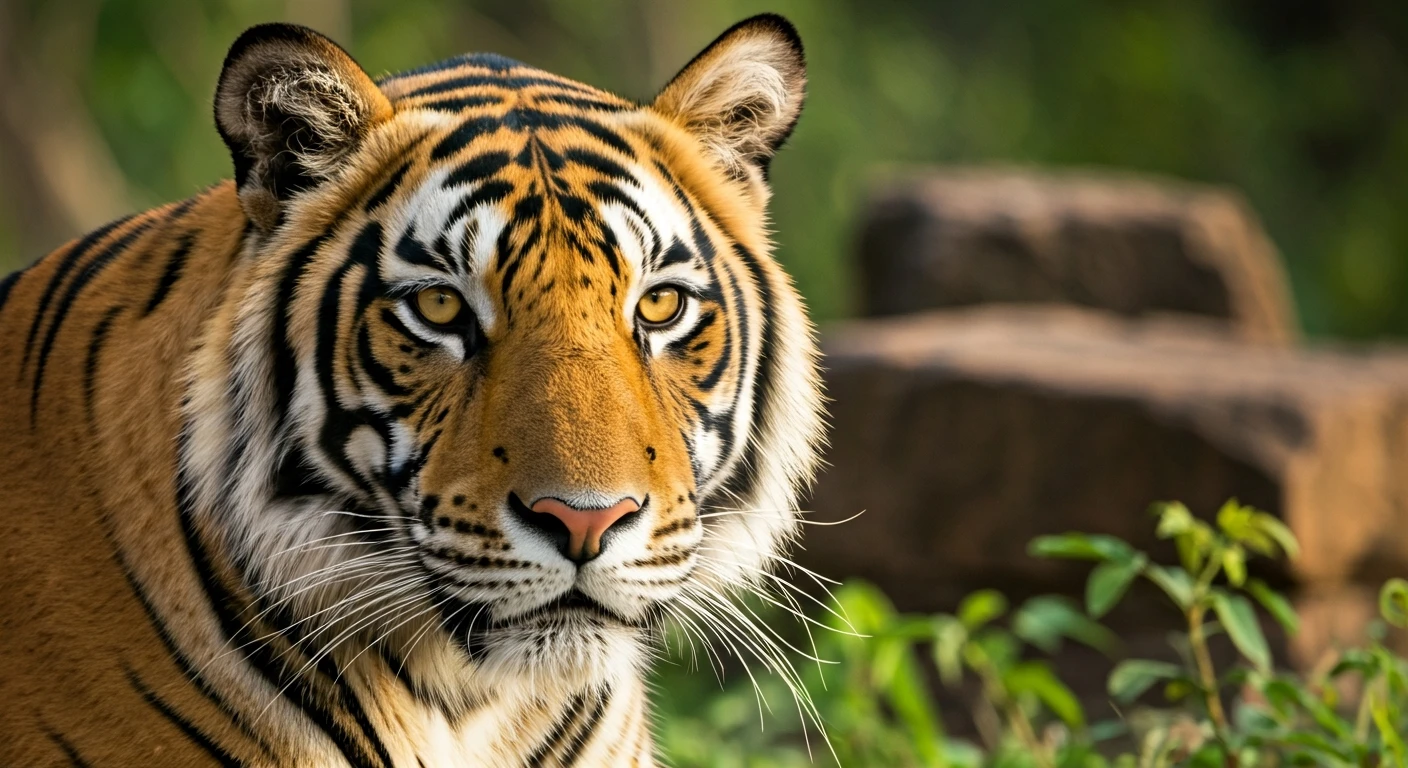
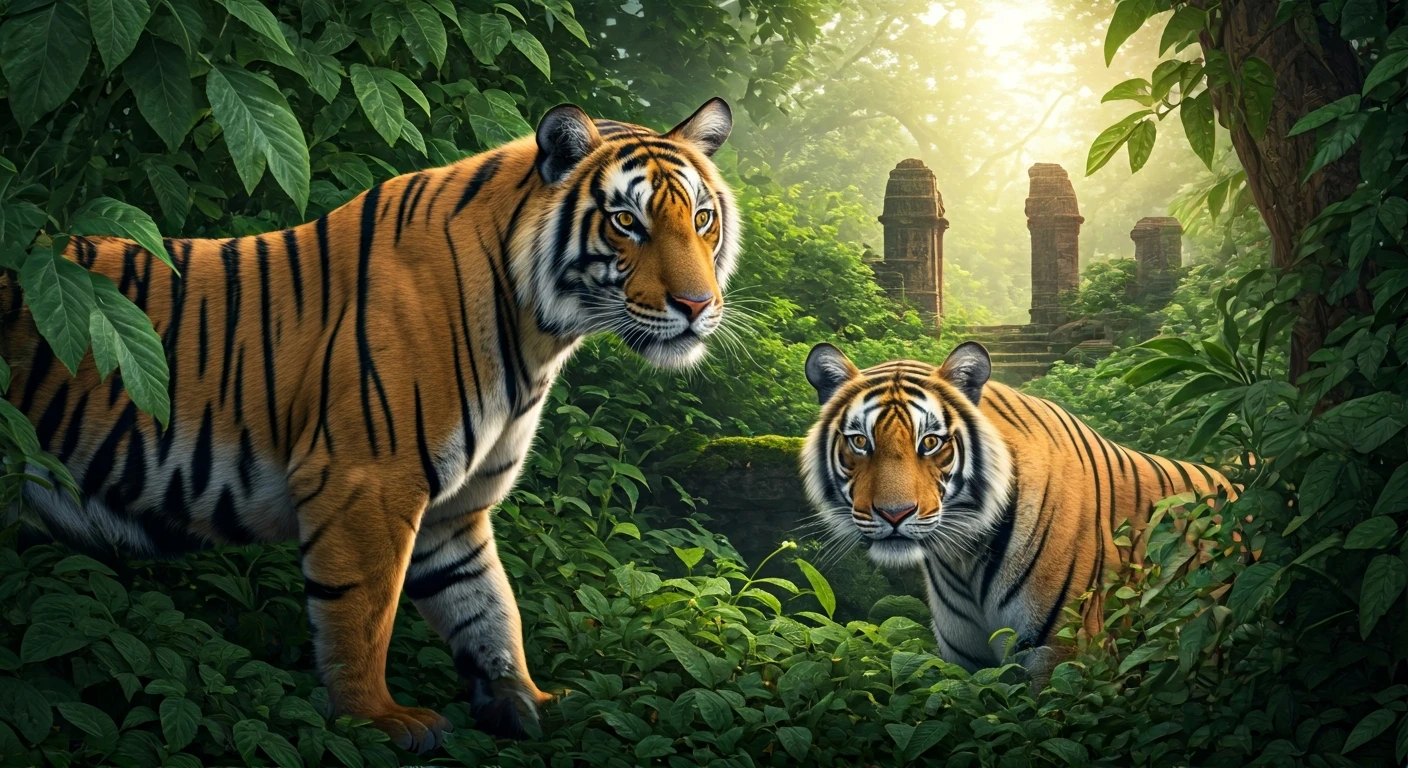
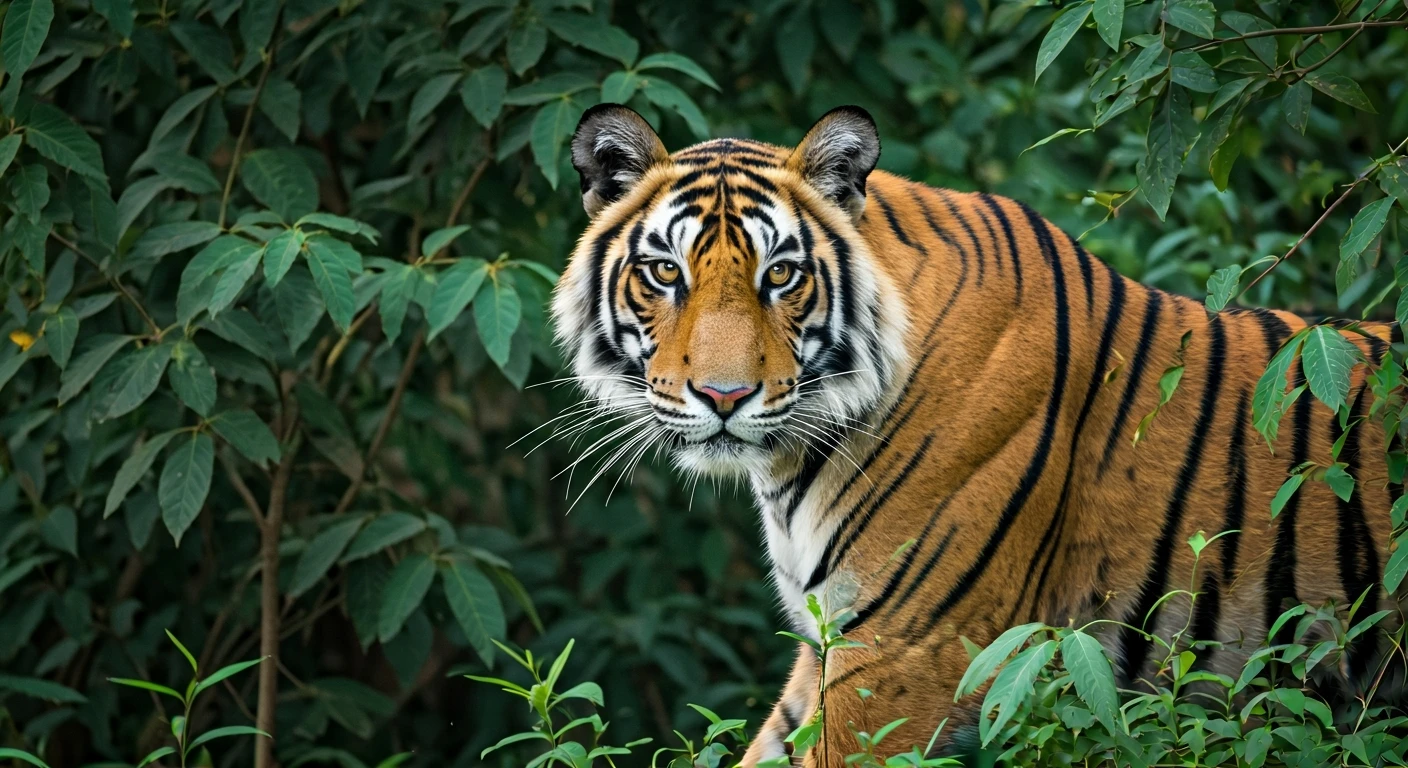
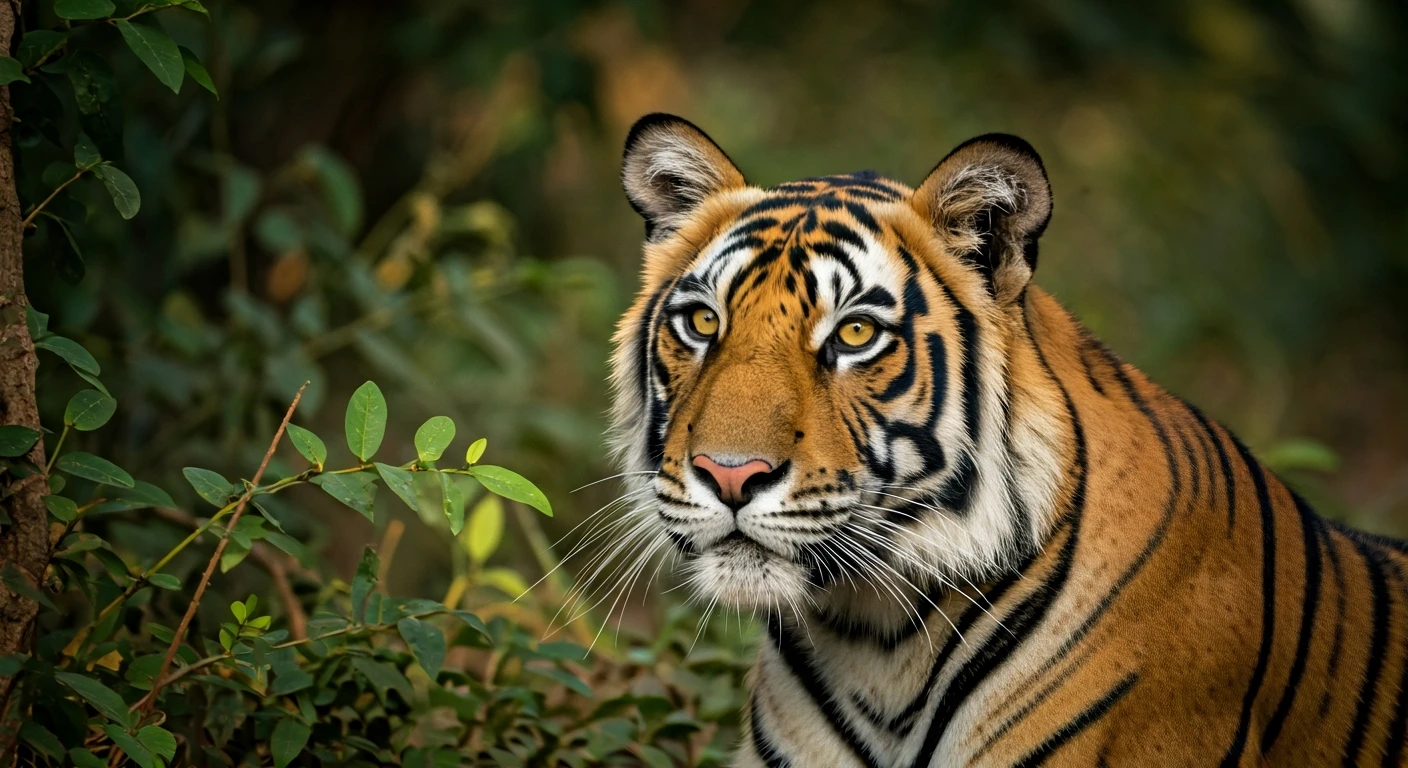
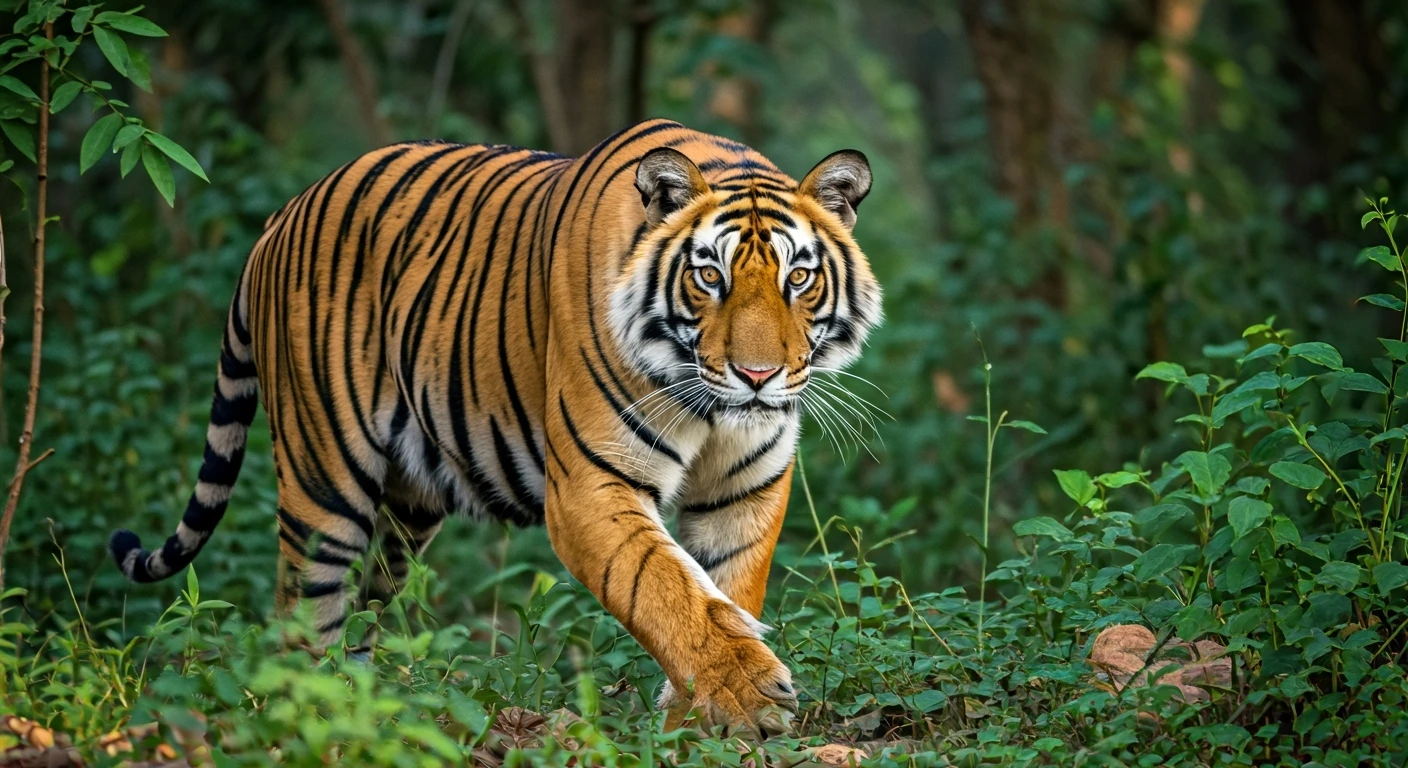
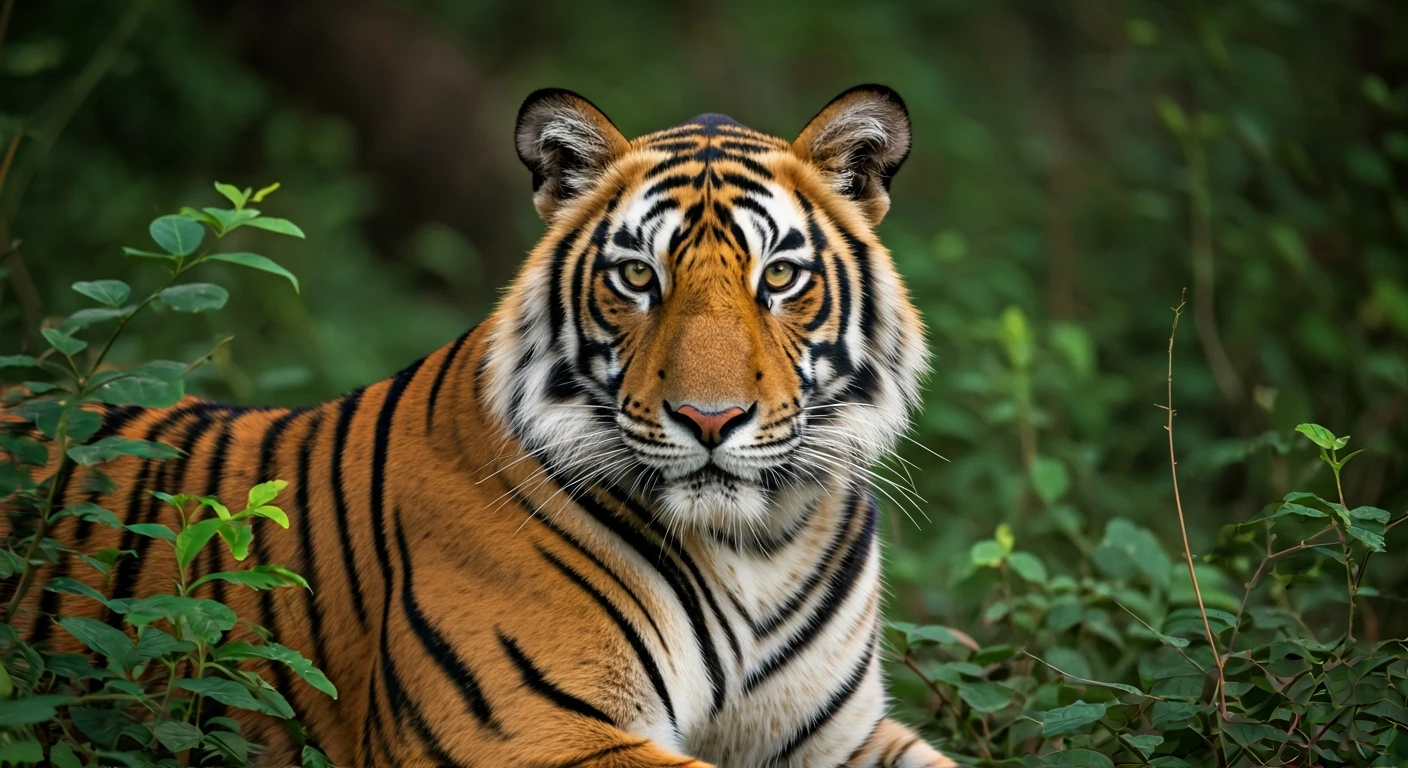
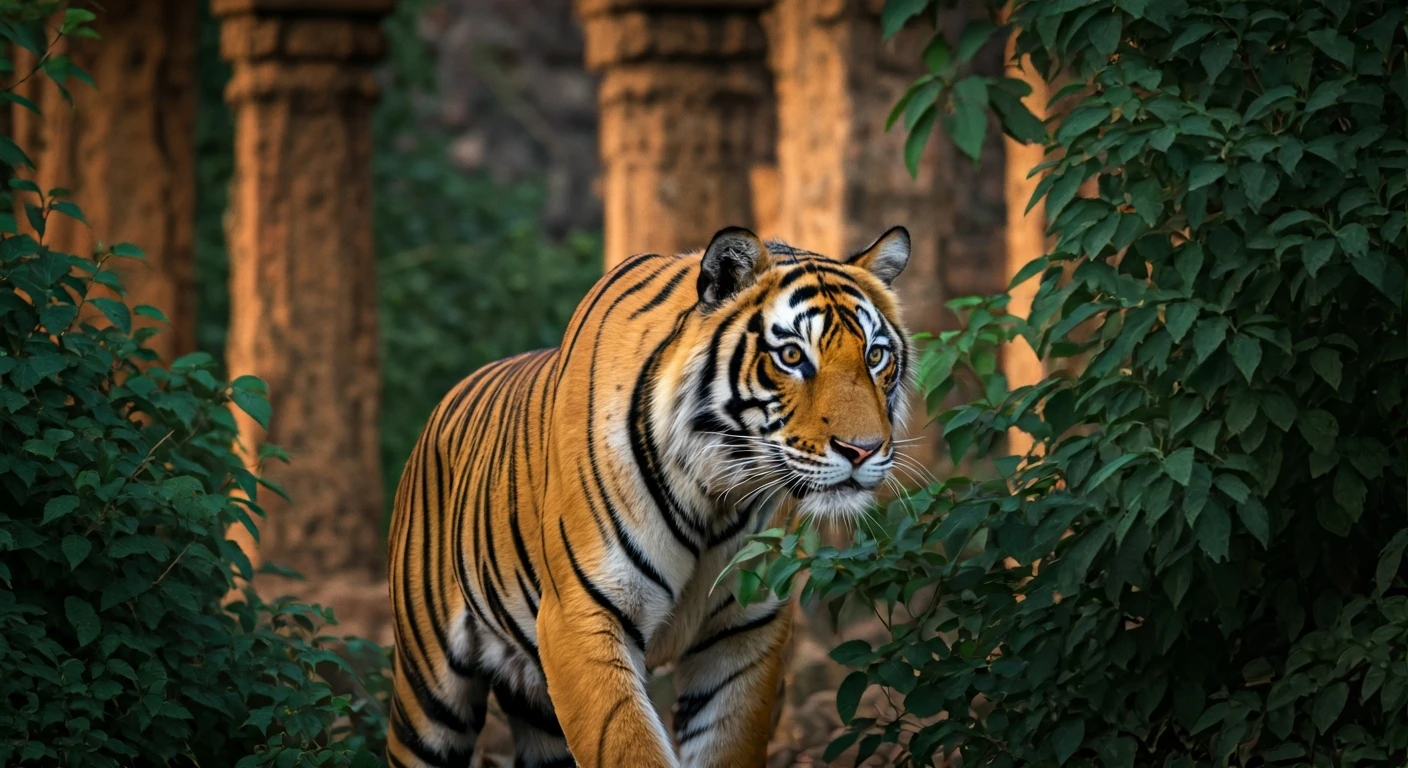
Let’s be clear: while Ranthambore has a rich ecosystem, people come here for one reason above all else—the Bengal tiger. Seeing a tiger in its natural habitat is a fundamentally different experience than spotting a lion. Tigers are solitary, elusive, and masters of camouflage. The safari here is a game of detective work. Your guide will point out fresh paw prints (pugmarks) in the dirt, listen for the warning calls of deer and monkeys, and scan the shadows for a flicker of striped fur. The anticipation builds to a fever pitch. When you finally see one—lounging in the sun, drinking from a waterhole, or majestically striding across the track just yards from your open-air vehicle—the moment is electric. It’s a primal, soul-stirring encounter that feels both incredibly lucky and deeply profound.
How It Compares to an African Safari
An African safari is often about quantity and diversity—the famous “Big Five” (lion, leopard, rhino, elephant, buffalo) and vast herds of herbivores spread across enormous plains. Ranthambore offers a different contract with the wild. It’s a quest-driven experience centered on a single, iconic apex predator. You will not see herds of animals numbering in the thousands. Instead, the focus is on a more intimate, patient search. Where an African safari vehicle might stop for a herd of zebras, a Ranthambore jeep will pause to listen for the faintest jungle sound. The thrill in Africa is the sheer scale of life; the thrill in India is the suspense and reward of finding one of the planet's most beautiful and elusive creatures.
More Than Just Tigers
While the tiger may be the headliner, Ranthambore's supporting cast is fantastic. The park is a haven for wildlife photographers and bird watchers. You’re likely to encounter leopards (though they are even more shy than tigers), sloth bears, massive sambar and spotted deer, and the powerful nilgai, the largest antelope in Asia. The park’s many lakes are home to marsh crocodiles that sunbathe on the banks and an incredible diversity of birdlife, from serpent eagles to painted storks. And you can’t ignore the history. The Ranthambore Fort, a UNESCO World Heritage Site, looms over the park, offering a dose of jaw-dropping culture alongside the wildlife. It’s a reminder that this land is steeped in human history as well as natural wonder.
Planning Your Indian Safari
The best time to visit is during the dry season, from October to April, when water is scarce and tigers are more likely to be seen near the park's lakes. Safaris are conducted twice a day in designated zones to manage tourism and minimize disruption. You have two vehicle choices: a six-seater open-top jeep (often called a “Gypsy”) or a 20-seater open-air canter. The jeep offers a more intimate and nimble experience, making it the preferred choice for serious photographers and wildlife enthusiasts, but it's also more expensive and books up far in advance. Regardless of how you go, the experience of rolling through the Indian jungle at dawn, wrapped in a blanket against the morning chill, is an unforgettable adventure.