



Not Your Average Houseplant
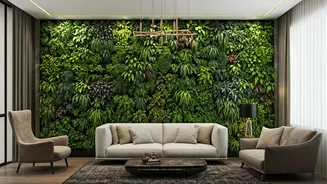
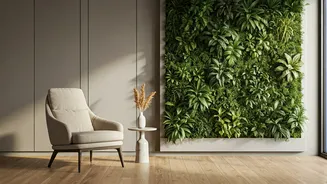
First, let’s be clear: a plant wall is a world away from a few potted monsteras scattered around the living room. Also known as a vertical garden or a living wall, this is a feat of engineering, botany, and design. These installations feature dozens,
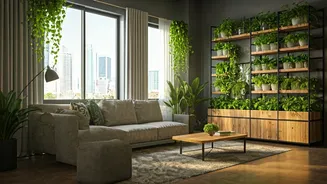
sometimes hundreds, of plants rooted in a vertical structure, often a modular panel system. They are kept alive and thriving by sophisticated, built-in irrigation and hydroponic systems that deliver water and nutrients directly to the roots. The result is a seamless, soil-free tapestry of foliage that can transform a sterile concrete lobby or a cramped apartment balcony into a vibrant, breathing ecosystem. They can be installed indoors or out, custom-designed to fit any space, and curated with a mix of plants to create specific textures and color palettes. It’s high-tech horticulture meets high-concept art.
An Answer to the Concrete Jungle
So why is this trend taking off so dramatically in India? A big part of the answer lies in the country’s rapid urbanization. In megacities like Mumbai, Delhi, and Bengaluru, relentless development has replaced green spaces with concrete and glass, while residents grapple with some of the world's most challenging air quality issues. The plant wall offers a powerful counter-narrative. It’s a way to reclaim a piece of nature in a dense urban environment where a traditional garden is an impossible luxury. For architects and designers, it's a clever solution to reintroduce greenery without sacrificing valuable floor space. For residents, it’s a visual and psychological escape—a constant, living reminder of the natural world in the heart of the city. This isn't just decoration; it's a response to an environment, a deliberate effort to bring life back into spaces that can often feel devoid of it.
The Ultimate 'Green' Status Symbol
Here's where the “flex” comes in. Designing, installing, and—crucially—maintaining a thriving plant wall is not cheap. These are complex biological systems that require professional expertise and significant upfront investment, with costs running into thousands of dollars for even modest residential installations. The automated irrigation and lighting systems, the specialized plant selection, and the ongoing maintenance all add up. This makes a lush, perfectly manicured plant wall an undeniable statement of affluence. You’ll find them dominating the lobbies of five-star hotels, the headquarters of multinational corporations, and the atriums of luxury apartment buildings. In a culture that values hospitality and appearances, having a stunning vertical garden is the 21st-century equivalent of displaying fine art or owning a luxury car. It quietly signals success, a commitment to modern aesthetics, and the financial means to sustain a piece of living architecture.
A Breath of Fresh Air (Literally)
Beyond the visual appeal and status, the wellness benefits are a primary driver of the trend. The concept of “biophilia”—the idea that humans have an innate need to connect with nature—is at the core of the plant wall’s appeal. Studies have shown that being around plants can reduce stress, improve concentration, and boost mood. But the benefits are also physical. A dense wall of plants acts as a natural air purifier, filtering out common indoor pollutants like formaldehyde and volatile organic compounds (VOCs). They also help regulate humidity and can even absorb sound, making spaces quieter and more serene. In a post-pandemic world where wellness and the quality of our indoor environments are top of mind, the plant wall is a functional element that actively contributes to a healthier, more pleasant space. It’s a design choice you can feel good about on multiple levels.