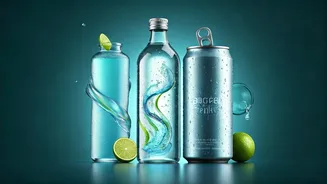




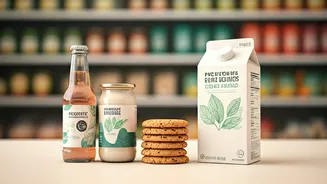
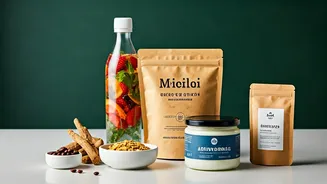


From Simple H2O to Optimized Fuel
Not long ago, grabbing a drink meant choosing between soda, juice, or a simple bottle of water. Now, store shelves and social media feeds are flooded with beverages that promise to do more. These are 'functional drinks'—a category that has exploded by
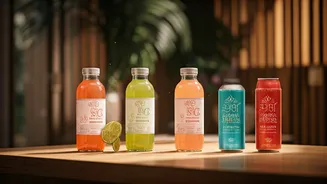
adding ingredients intended to provide a specific health benefit beyond basic nutrition and hydration. Think of it as hydration with a job to do. While sports drinks with electrolytes have been around for decades, this new wave is different. It’s not just for elite athletes; it’s for everyone. These drinks are marketed with promises of enhanced focus for your workday, better sleep, a calmer mind, or a stronger immune system. They are turning the mundane act of drinking water into a personalized wellness ritual.
Why the Sudden Thirst for More?
This trend isn’t happening in a vacuum. It’s the perfect storm of several cultural shifts. First, there’s the post-pandemic obsession with proactive health. Consumers are more invested than ever in immunity, mental clarity, and overall well-being. Second, there’s a growing backlash against sugar. As shoppers turn away from traditional sodas and juices loaded with empty calories, they’re seeking healthier alternatives that still offer flavor and excitement. Finally, there's the undeniable influence of social media. Trends like TikTok’s #WaterTok, where users share elaborate 'water recipes' using sugar-free flavor packets and powders, have normalized the idea of customizing and 'upgrading' hydration. The aesthetic of a colorful, benefit-packed beverage fits perfectly into the visual, wellness-oriented world of Instagram and TikTok, turning a personal health choice into a shareable statement.
Decoding the Ingredient List
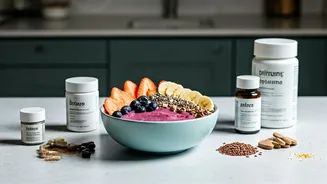
So, what exactly is being added to these drinks? The ingredients generally fall into a few key categories. The most common are electrolytes like sodium, potassium, and magnesium, which are proven to aid in rehydration and are the foundation of classic sports drinks. But the new class of functional beverages goes further. Many now include nootropics, compounds purported to enhance cognitive function. Ingredients like L-theanine (found in green tea) are added for 'calm focus,' while lion's mane mushroom might be included to support memory. Another popular category is adaptogens, herbs and roots like ashwagandha and rhodiola that are claimed to help the body manage stress. Finally, you’ll see a heavy dose of vitamins, antioxidants, and minerals—from Vitamin C and Zinc for immune support to biotin and collagen for healthier hair, skin, and nails. These additions transform a simple drink into a targeted supplement.
Healthy Habit or Just Hype?
With so many bold claims, a healthy dose of skepticism is warranted. Are these drinks a wellness shortcut or just clever marketing? The answer is nuanced. The benefits of electrolytes for rehydration, especially after exercise or illness, are well-established. Some ingredients, like L-theanine, also have a solid body of research supporting their effects on relaxation and focus. However, the science behind many other adaptogens and nootropics is still emerging, and the effective dosage can vary wildly. Many functional drinks may not contain enough of a specific ingredient to produce a noticeable effect. The 'functional' label is a powerful marketing tool that can create a 'health halo' around a product, making it seem healthier than it is. While these drinks can be a great, low-sugar way to increase fluid intake, they are not a replacement for a balanced diet, quality sleep, and regular exercise—the true foundations of good health.