

From Dopamine Dressing to Quiet Confidence
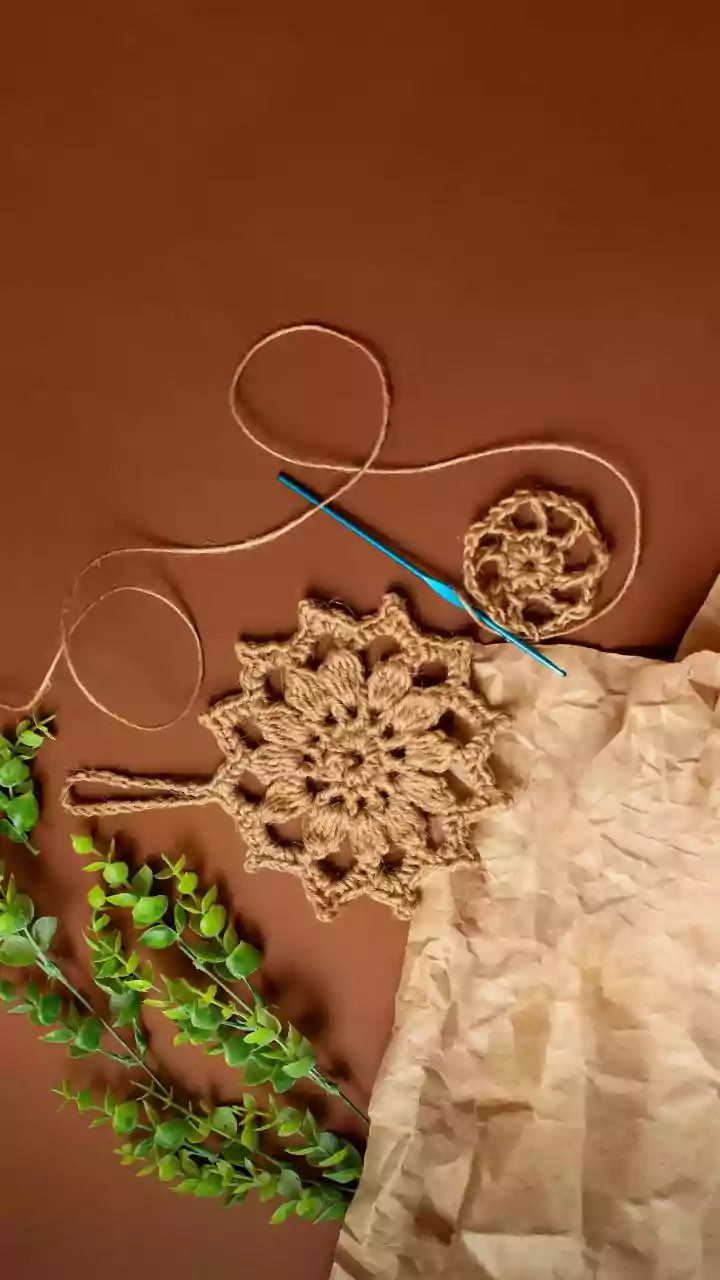
Remember the post-lockdown fashion explosion? It was a riot of color, texture, and nostalgia. Think mismatched patterns, crochet everything, beaded phone charms, and enough Day-Glo green to be seen from space. Dubbed 'dopamine dressing,' this maximalist
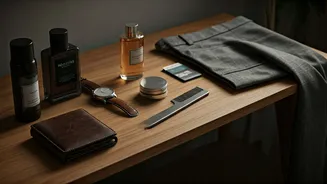
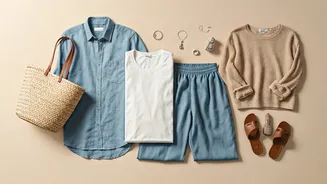
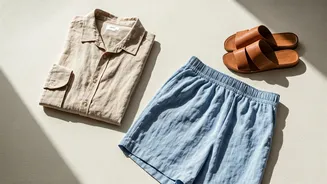
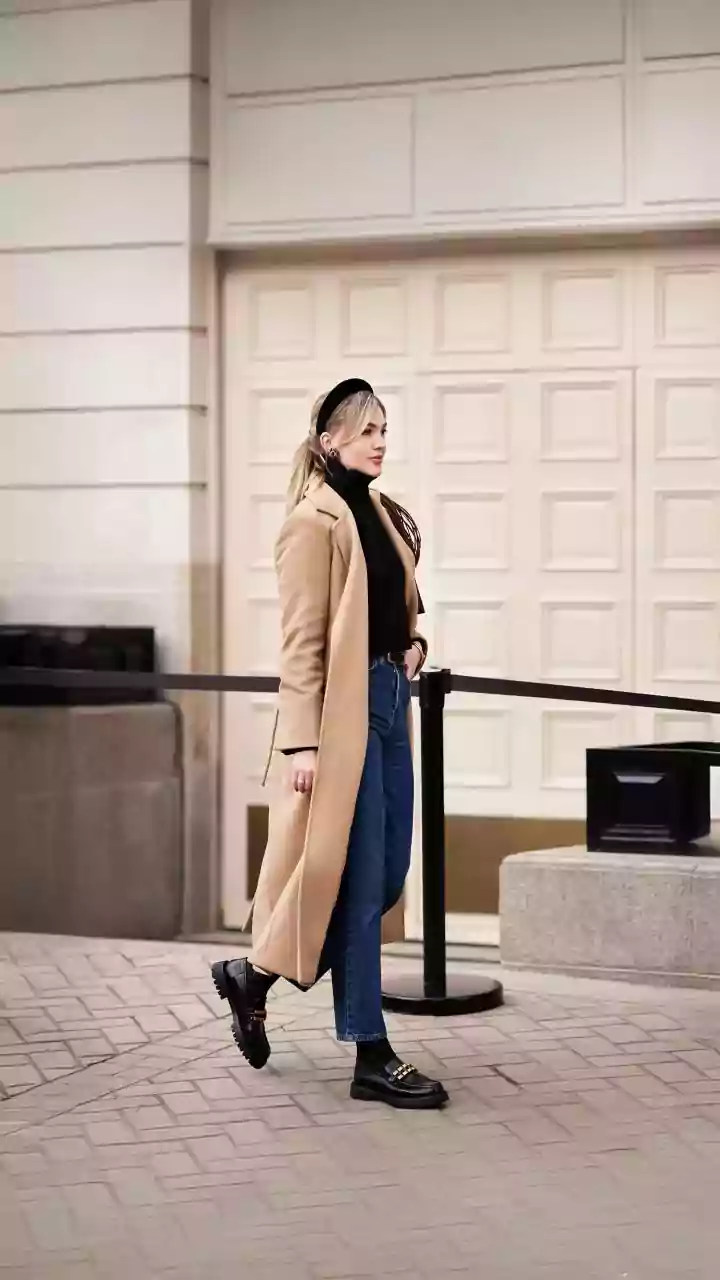
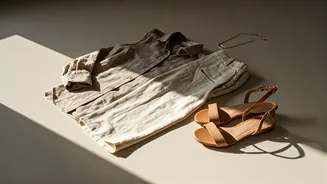
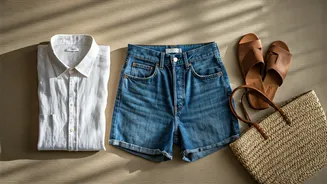
Y2K revival was a direct and defiant response to years of sitting at home in gray sweatpants. It was about being loud, visible, and unapologetically joyful. But fashion, like all cultural pendulums, eventually swings back. This summer, the aesthetic has undergone a palate cleanse. The 'clean' style gaining traction with Gen Z is its polar opposite. It’s defined by simple silhouettes, a neutral-heavy color palette (with pops of primary color, not neon), and an emphasis on texture over pattern. Think crisp linen trousers, perfectly cut white tank tops, simple slip dresses, and minimalist leather sandals. It’s less about shouting for attention and more about a relaxed, self-assured confidence.
An Antidote to the Micro-Trend
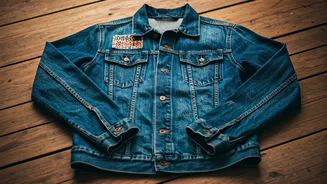
A key driver of this shift is sheer exhaustion. Gen Z, the generation that both fueled and was consumed by the hyper-accelerated TikTok trend cycle, is showing signs of fatigue. When a new 'core' aesthetic (like cottagecore, balletcore, or bikercore) emerges and dies within a matter of weeks, it becomes impossible—and expensive—to keep up. The fast-fashion machine that powers this cycle also faces growing scrutiny for its environmental and ethical toll. The move toward a 'cleaner' style is, in part, an unconscious rebellion against this disposability. A simple, well-made linen shirt or a classic pair of denim shorts doesn't have an expiration date. They are foundational pieces that can be worn summer after summer, sidestepping the relentless pressure to buy into the next fleeting fad. This isn't just about a look; it's about a more sustainable and less stressful way of getting dressed.
The Rise of 'Recession-Core'
It’s impossible to separate style from the economy, and the current mood is one of caution. With inflation still a concern and economic uncertainty looming, spending habits are changing. For many younger consumers, shelling out for a trendy, one-season item feels irresponsible. This has given rise to what some are calling 'recession-core': a style mindset focused on longevity, versatility, and cost-per-wear. Instead of a haul of cheap, trendy tops, the focus shifts to investing in a single, high-quality piece that will last. The 'clean' aesthetic aligns perfectly with this. Its timeless nature makes it a safe bet. While the 'quiet luxury' trend of 2023 was about subtly signaling wealth with logo-free, high-end basics, this new wave is more practical. It's less about looking rich and more about being smart with your money, buying clothes that are an investment in your wardrobe, not just a subscription to a trend.
The Evolution of the 'Clean Girl'
The term 'clean' isn't entirely new. The 'clean girl aesthetic' has been a fixture on social media for a couple of years, characterized by slicked-back buns, dewy skin, gold hoops, and a general air of effortless polish. However, that original version faced criticism for promoting a narrow, often exclusive, standard of beauty and wealth. What we're seeing now is an evolution and democratization of the concept. The 'clean' style of summer 2024 is less about a rigorous beauty routine or a specific lifestyle and more about the clothes themselves. It’s more accessible. You don't need a perfect life to wear a simple black dress. This new iteration is about finding a sense of order and calm in your closet when the world outside feels anything but. It’s a visual deep breath—a way to look and feel put-together without the fuss and performance of previous trends.