




Secure Cords and Wires
To a curious puppy or a playful kitten, an electrical cord can look like an irresistible chew toy or a fun piece of string. This curiosity can lead to devastating consequences, including electric shock, burns, or entanglement. Take a walk through your
home and identify any exposed wires from lamps, televisions, computers, and chargers. The simplest solution is to make them inaccessible. Use adhesive-backed cord channels or flexible tubing to cover wires running along baseboards. For loose charger cables, unplug and store them when not in use. Whenever possible, arrange furniture to block access to outlets and power strips. This small effort can eliminate one of the most common and dangerous household hazards for pets.
Choose Pet-Safe Plants
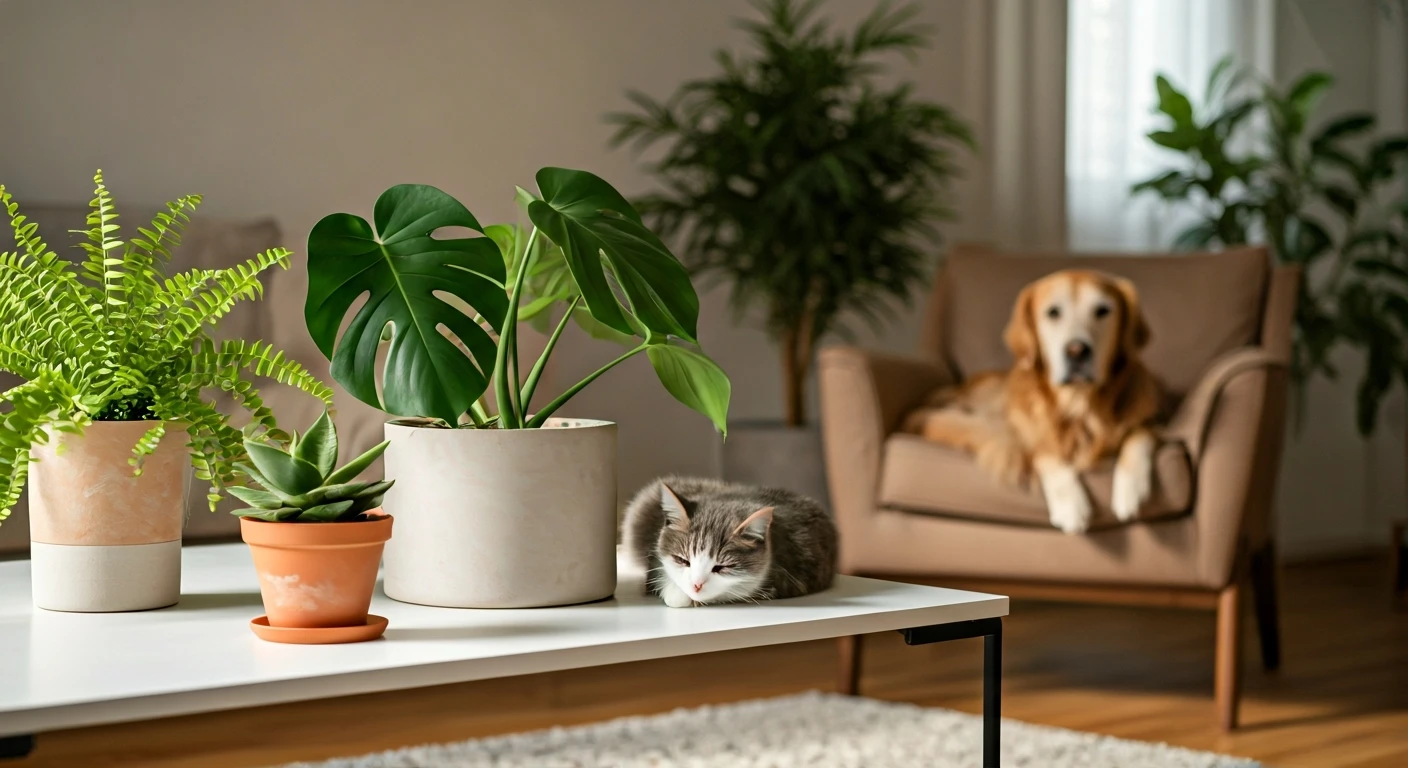
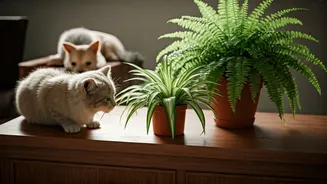
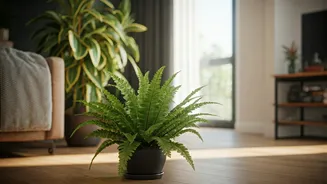
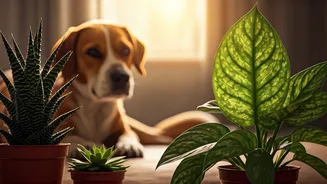
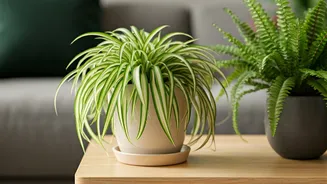
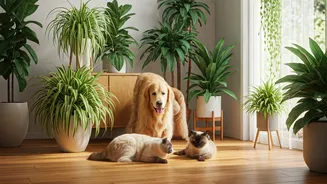
Houseplants can brighten up a room, but many common varieties are toxic to cats and dogs if ingested. Lilies, for example, are extremely poisonous to cats, with even a small amount of pollen causing kidney failure. Other popular but dangerous plants include tulips, sago palms, oleander, and philodendrons. Before bringing new greenery into your home, do a quick search on the ASPCA’s extensive list of toxic and non-toxic plants. If you discover you own a toxic plant, move it to a room your pets cannot access or re-home it with a friend. Safe, beautiful alternatives abound, including spider plants, Boston ferns, and African violets, allowing you to enjoy a bit of nature indoors without worry.
Rethink Kitchen and Bathroom Storage
The kitchen and bathroom are treasure troves of potential dangers. Many human foods, such as chocolate, grapes, onions, garlic, and anything containing the artificial sweetener xylitol, are highly toxic to pets. Cleaning supplies, from bleach to floor cleaners, pose a significant poisoning risk. The best defense is secure storage. Install child-proof latches on lower cabinets where you store chemicals, trash, and food. Always keep pantry doors closed and never leave food unattended on countertops, especially if you have a dog known for “counter-surfing.” In the bathroom, ensure all medications—both prescription and over-the-counter—are stored in a locked medicine cabinet. A dropped pill can be quickly ingested by a curious pet.
Secure Windows and Balconies
Cats, in particular, are notorious for their love of a good window perch. While they are known for their agility, the idea that they always land on their feet is a dangerous myth. An unsecured window screen can easily pop out under the weight of a leaning cat or dog, leading to a tragic fall. Ensure all your window screens are sturdy and securely installed. On nice days, open windows from the top if possible, or only open them a few inches from the bottom—not wide enough for a pet to squeeze through. If you have a balcony, never leave your pet on it unsupervised. Consider installing protective netting for added peace of mind.
Assess Your Furniture and Decor
Your furniture choices can also impact your pet's safety. Reclining chairs pose a serious risk, as cats and small dogs often crawl inside the mechanism, where they can be crushed when the chair is closed. Always check underneath and around recliners before operating them. Similarly, be wary of heavy, unstable objects that a pet could knock over. A wobbly floor lamp or a top-heavy vase can cause injury. Finally, consider your small decorative items. Things like potpourri, small sculptures, and even some throw pillow tassels can become choking hazards if chewed on and swallowed. Opt for larger, sturdier decor that can't be easily ingested.