




Defining ‘Oil Guilt’
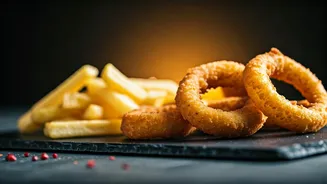
So, what exactly is ‘oil guilt’? It’s not just about counting calories. For a generation raised on wellness influencers and ingredient-list deep dives on TikTok, it’s a multifaceted concern. It’s the feeling that comes from eating something deep-fried
in processed vegetable or seed oils, which have been vilified across social media for causing inflammation and other health issues. But the anxiety goes deeper. It’s also about the environmental and ethical sourcing of ingredients like palm oil, which is linked to deforestation and labor issues. Unlike previous generations who might have focused solely on ‘low-fat’ labels, Gen Z is playing a more complex game. They value transparency and ‘clean’ labels, and they have the digital savvy to investigate what ‘canola oil’ or ‘natural flavors’ actually means. This isn't the simple fat-phobia of the 1990s; it’s a holistic concern about what they’re putting into their bodies and what impact their consumption has on the planet.
The Air Fryer Ascendancy
If one appliance defines the Gen Z kitchen, it’s the air fryer. This countertop convection oven has become the generation's secret weapon against oil guilt. It offers a technological workaround, promising the crispy, crunchy texture of deep-fried foods with a fraction of the oil. French fries, chicken nuggets, and even vegetables get a satisfying makeover without being submerged in a vat of fat. The air fryer’s popularity isn’t just about health; it’s about speed and convenience. It heats up quickly and cooks food fast, perfectly catering to a generation that values efficiency. Social media is flooded with air fryer recipes and hacks, turning the appliance into a cultural touchstone. It empowers home cooks to recreate their favorite ‘junky’ snacks in a way that aligns with their wellness values, effectively letting them have their potato chips and eat them, too.
The Snack Aisle Gets a Makeover
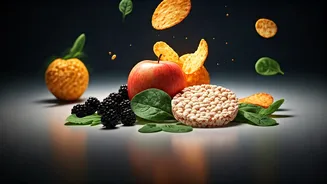
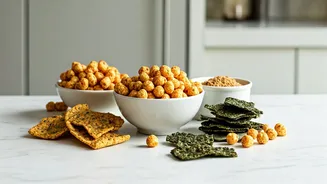
Food companies are paying close attention. The snack aisle, once a monument to fried potatoes and corn, is undergoing a significant transformation. Brands are scrambling to reformulate their products or launch new lines that cater to the oil-conscious consumer. You can see it everywhere: chips that are ‘popped, not fried,’ crackers baked with avocado or olive oil, and puffs made from alternative bases like chickpeas, lentils, and quinoa. The marketing language has shifted, too. Instead of just ‘low-fat,’ packages now boast about being ‘air-popped,’ ‘lightly salted,’ or made with ‘no seed oils.’ Even legacy brands are getting in on the act, releasing baked versions of their classic fried snacks. This isn't just about appeasing a niche market; it's about survival. As Gen Z’s purchasing power grows, their preferences are setting the agenda for the entire food industry.
From Guilt to Positive Choices
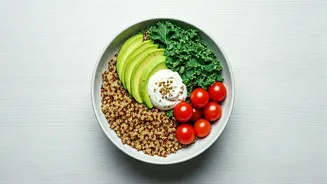
Ultimately, this trend is less about deprivation and more about empowerment. Gen Z isn’t giving up snacks; they’re just demanding better ones. They’re using their wallets—and their social media platforms—to signal a preference for foods that are not only fast and tasty but also align with their broader values of health, sustainability, and transparency. This shift is forcing brands to be more accountable for their ingredients and manufacturing processes. The pressure for ‘cleaner’ formulations means fewer artificial additives and more recognizable, whole-food ingredients. The demand for ethical sourcing pushes companies to improve their supply chains. In this sense, ‘oil guilt’ is a powerful driver of positive change, pushing the food landscape toward a future where convenience and consciousness are no longer mutually exclusive. The message is clear: if you want to sell snacks to the next generation, you’d better be prepared to answer for what’s in the bag.